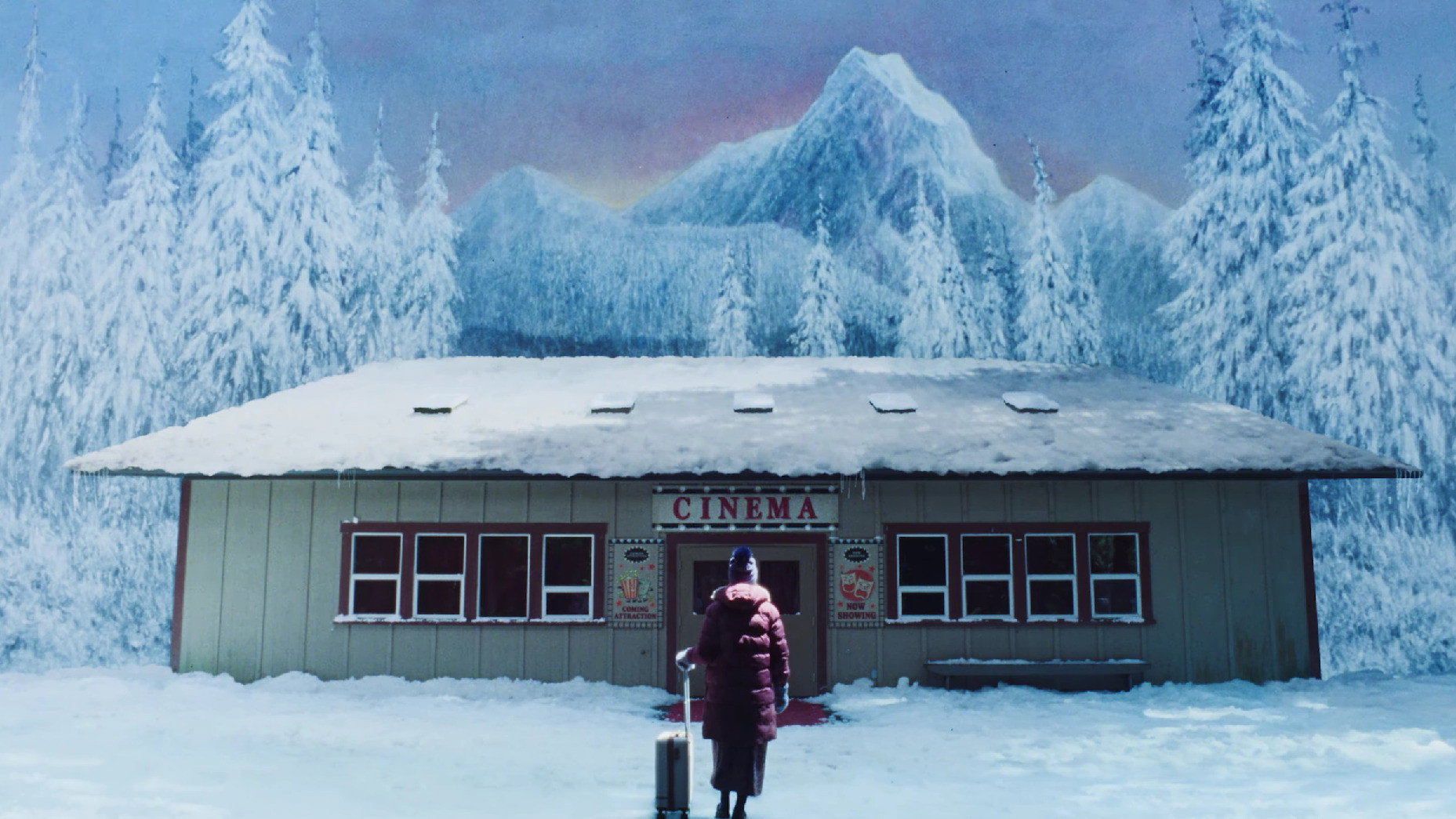
My first contact with Jane Schoenbrun’s work was with 2024’s I Saw the TV Glow. I decided to watch it specifically because I had seen that Caroline Polachek had a song in it. When I finished the film, I remember feeling like my heart had expanded so much from so many different emotions I couldn’t even name. By the credits, I felt like I had shrunk to the size of an ant. You don’t leave that many cinemas feeling that affected, taking home characters and questions that will haunt you for days.
With Teenage Sex and Death at Camp Miasma, it happened once again. Schoenbrun maintains the same sensitivity through extremely beautiful scenes loaded with colour and subtext, in which silence and eye contact can tell us more than dialogue. Just like their other works, it is ridiculously gorgeous to watch. The atmosphere is ethereal; it’s pink, purple, dark but incandescent, making you feel like you’re in a place you’ve been before, but can’t pinpoint when or if it actually happened.
This time, though, instead of a gloomier atmosphere, we get to see a funnier side of Schoenbrun’s work. Death becomes camp here.
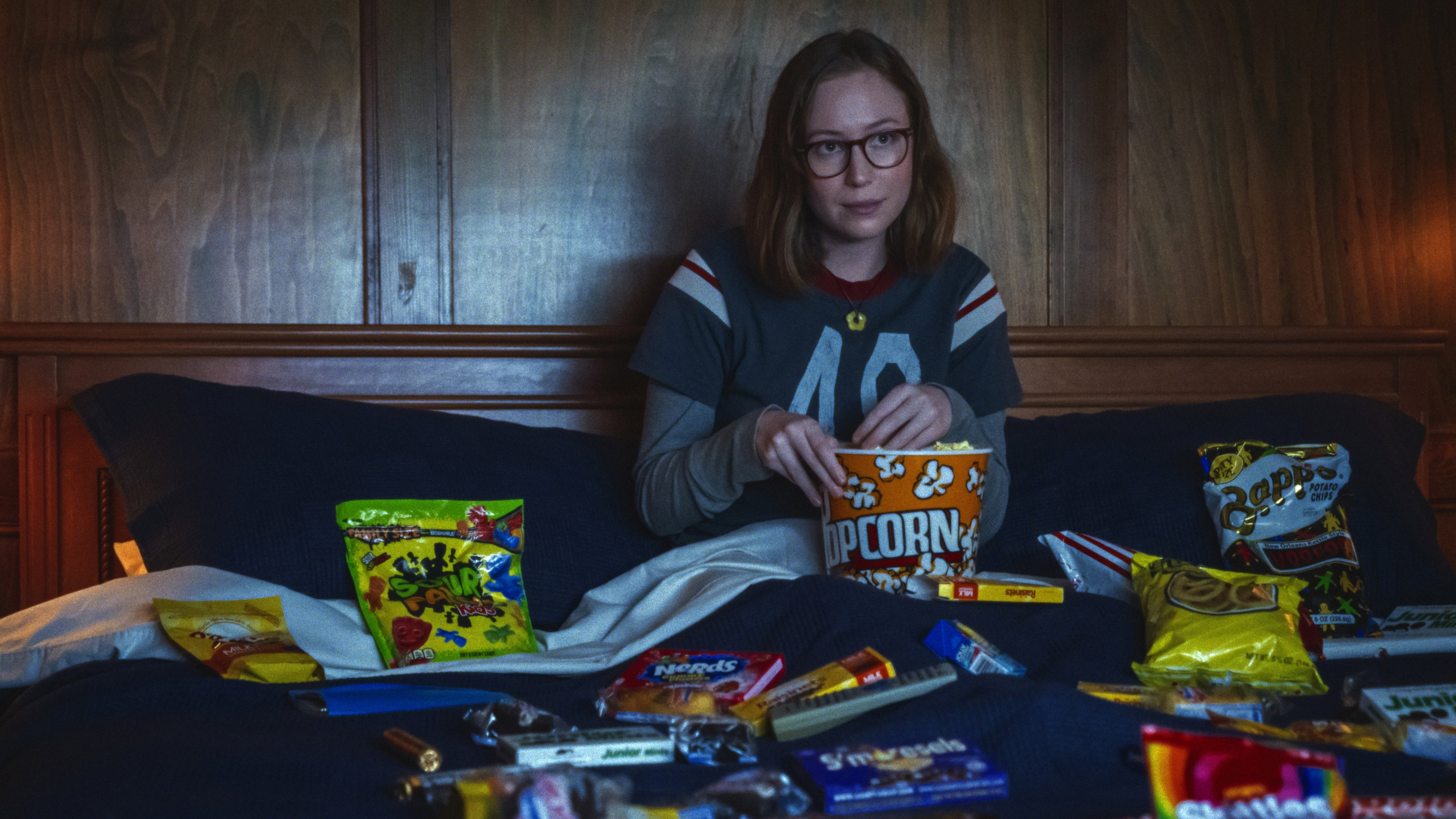
The film introduces us to Kris, a young filmmaker who’s been asked to bring back to life a doomed slasher franchise, Camp Miasma. Happily for her, she’s obsessed with it. Her research for the project brings her to Billy, the franchise’s final girl, and from there, we uncover more about the world behind the films and both women’s relationship to it.
From extremely gory killings to the politics behind getting a film made, Camp Miasma succeeds in being genuinely funny and willing to break its own illusion. The witty labels we get as names for the industry figures, and even for Kris herself, really take you back to a Wattpad fanfiction where the lead is called Y/N.
Schoenbrun addresses “woke culture” by playing around with the ways it can be caricatured. But the jokes are aimed at the stereotypes and commodification around those issues, and not at their seriousness. In fact, by playing into that perception, their points land harder. It’s a delicious watch: complex topics, conversations about sex, delightful over-the-top gore and laughter all in one container.
I had many questions swimming in my mind as I left the cinema. Genuinely, why can sex feel like a threat? Why is that threat as scary as it is exciting? I guess the whole idea of a fantasy is to inhabit it and not to understand it completely, but let’s indulge ourselves like our final girls do.
“Do I want to be her, or be with her?” — I kept thinking about this phrase while watching Kris and Billy. Sometimes it’s hard to tell whether we’re attracted to something, identify with it, or somehow experience both at once. Those things don’t necessarily have to remain separate. That’s part of what makes desire so difficult to pin down. Kris spells it out for us at the very beginning: desire is the word to focus on.
Kris does have an explanation for her own urges. She wonders if watching Camp Miasma at such a young age is the reason why being a victim of Little Death is so arousing to her. It’s an incredibly seductive way of thinking about it, and surely what we consume at a young age can leave its mark on us. But to stop there would leave us with too neat an answer. It tells us nothing new.
Literature and media have always played with the strange intimacy between desire and the threat of death. Petite mort, Little Death’s French cousin, is a term that originally referred to a fainting spell, a temporary loss of consciousness. Later, it became a way of referring to orgasm.
Sticking with the French, it’s hard not to think of Georges Bataille here, whose take on eroticism fits the film like a second skin. He talks about how the movement towards self-dissolution — towards temporarily disrupting our sense of ourselves as separate beings — can be found in erotic experiences as well as in death. It’s almost like sex and death are yin and yang, with their existences intertwined. He also finds related forms of this movement in laughter, play and religious experience.
Our heteronormative world presents a certain type of desire as normal and accepted, and we learn to perform it too, sometimes before we even know what we actually want. It starts way before sex, with the very first seeds of attraction. Maybe you’re a girl at school and everyone seems to have a crush on a boy, so you just pick one too, because not liking anyone somehow feels weirder, even though you couldn’t care less about any of them. It might sound silly, but these are some of the first scripts we learn about what desire is supposed to look like. And maybe they’re also some of the first things that make it harder for women and queer people to find, understand and eventually voice what they actually desire.
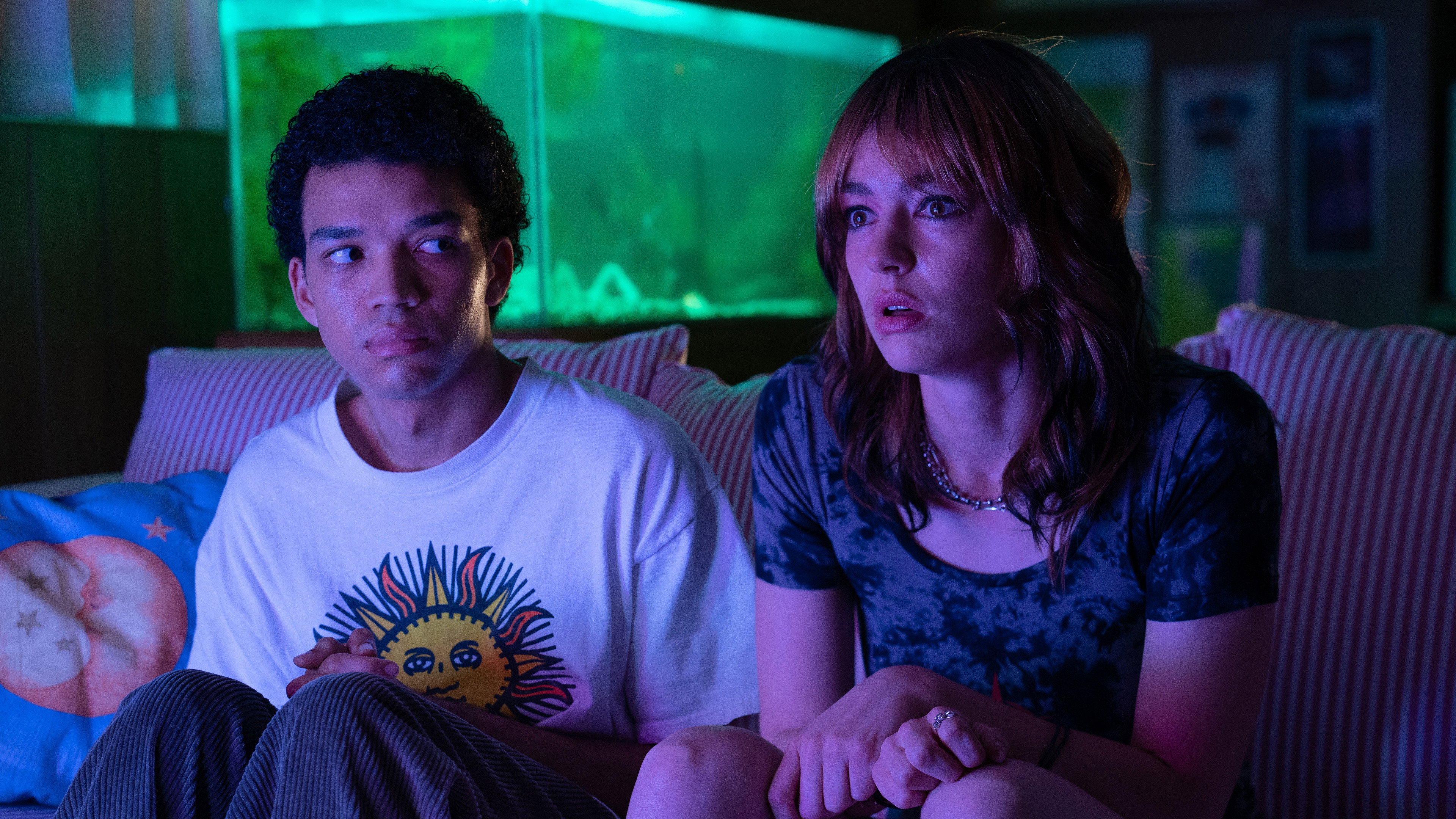
My mind went back again to a dialogue in I Saw the TV Glow. Maddy tells Owen that she’s into girls and he replies that he’s into TV shows. At that moment we get a new possibility for a valid answer. It’s a precious scene about the weird, weird area of understanding attraction: trying to look inside yourself for something that the whole world seems to know about, and finding something that feels uncategorised, and therefore somehow less real. Schoenbrun communicates something for which Owen may not yet have language by making the audience experience the discovery with him.
At the risk of sounding like I’m saying that the sun is hot and water is wet, I will say that there’s something strange about just how physically intimate sex is — it is definitely a way of being too much in someone else’s business. That alone can make sex feel extremely threatening, and not only physically. Thinking in Lacanian terms, desire is what keeps us moving, precisely because it can never be completely fulfilled. Maybe that’s why approaching orgasm can feel so threatening: accepting the brief dissolution of self, becoming one with the feeling, is the closest our bodies can get to that impossible fulfilment. If there was nothing left to desire, wouldn’t we be as good as dead?
When Kris explains what arouses her and finally enters her imagination with Little Death, I don’t think she necessarily dissociates from the act of sex itself. I think that’s when she truly engages with it. She enters the internal world of sex, where the lines between who’s who and what’s what become blurred, until nothing matters but the feeling.
Camp Miasma not only touches on the subject of discovering desire, but goes beyond it. Kris is not necessarily turned on by death, blood or gore. She is turned on by being both victim and killer, two positions that are normally mutually exclusive, but here become part of the same vessel. What gets her to orgasm is a temporary dissolution of boundaries and a surrender to pleasure itself. But she only gets to surrender to that feeling because she finds someone with whom it feels safe to do so. With Billy, Kris can hang around the border between pleasure and danger, life and death, knowing she can always come back. Billy tells her: it’s just play. She can always turn it off.
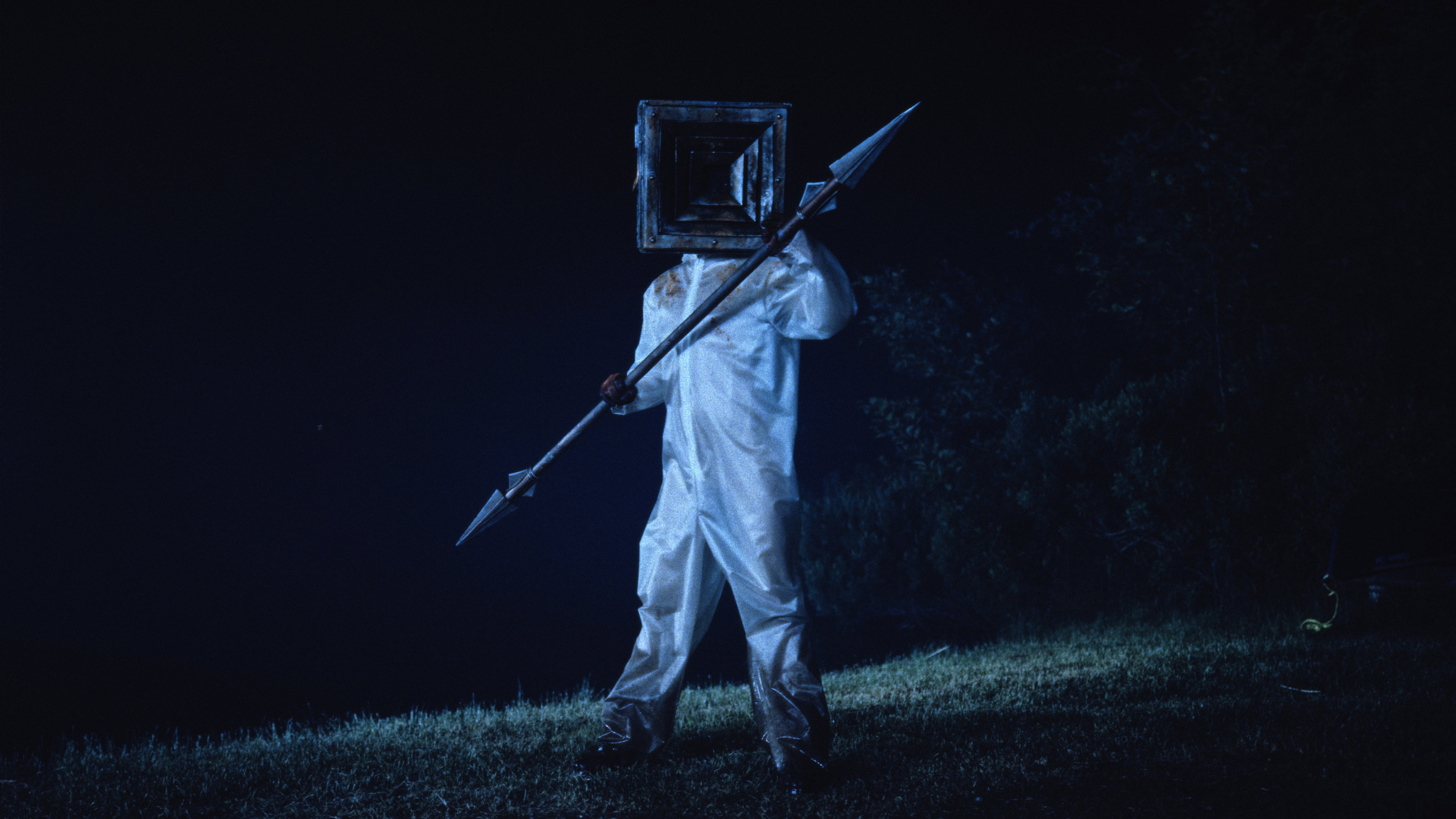
By the end, the film invites us into that same game, dissolving another set of positions: creator and creation. We get the idea that the Camp Miasma films are being made by Little Death himself, from the bottom of the lake. The killer we thought had been created by these films becomes the one creating them. Kris and Billy, in turn, become part of his creation. Are we, as spectators, just as much of a creation of Little Death as they are? In many shots, we see through Little Death’s eyes, but it goes beyond simply sharing his point of view. It actually feels like we’re inside his body, breathing with him. At every turn, Schoenbrun pushes us towards the same dissolution of positions: creator and creation, killer and victim, spectator and character.
That could be why the world of Camp Miasma is so appealing to Kris. Schoenbrun does a beautiful job of taking us through the experience of answering the million-dollar question, “What’s your pleasure?”, and then figuring out how to inhabit it without disappearing into it. Like a final girl who always gets so close to dying but manages to stay alive, making sure we have our sequel. After all, Little Death always comes back.