You hear it everywhere. Film schools teach the short as a warm-up lap before the real race. Trade pages call it a calling card and mean it kindly. Even the people who spend their lives championing shorts admit that almost none of them ever make the jump, and that the ones that do are rare enough to fit on a single page.
We think the whole idea is wrong. Not tactically wrong. Wrong at the root.
Cinema was born short
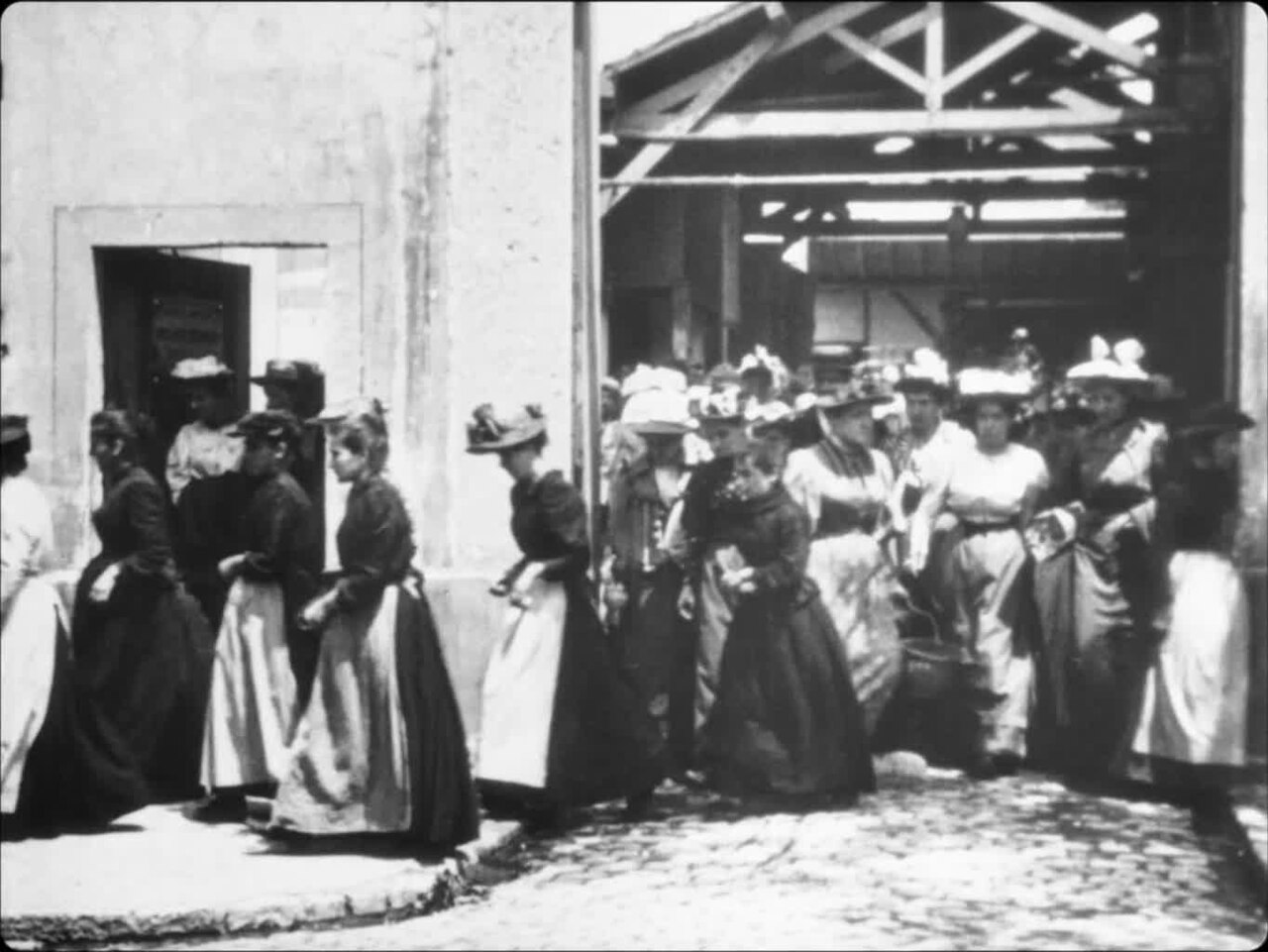
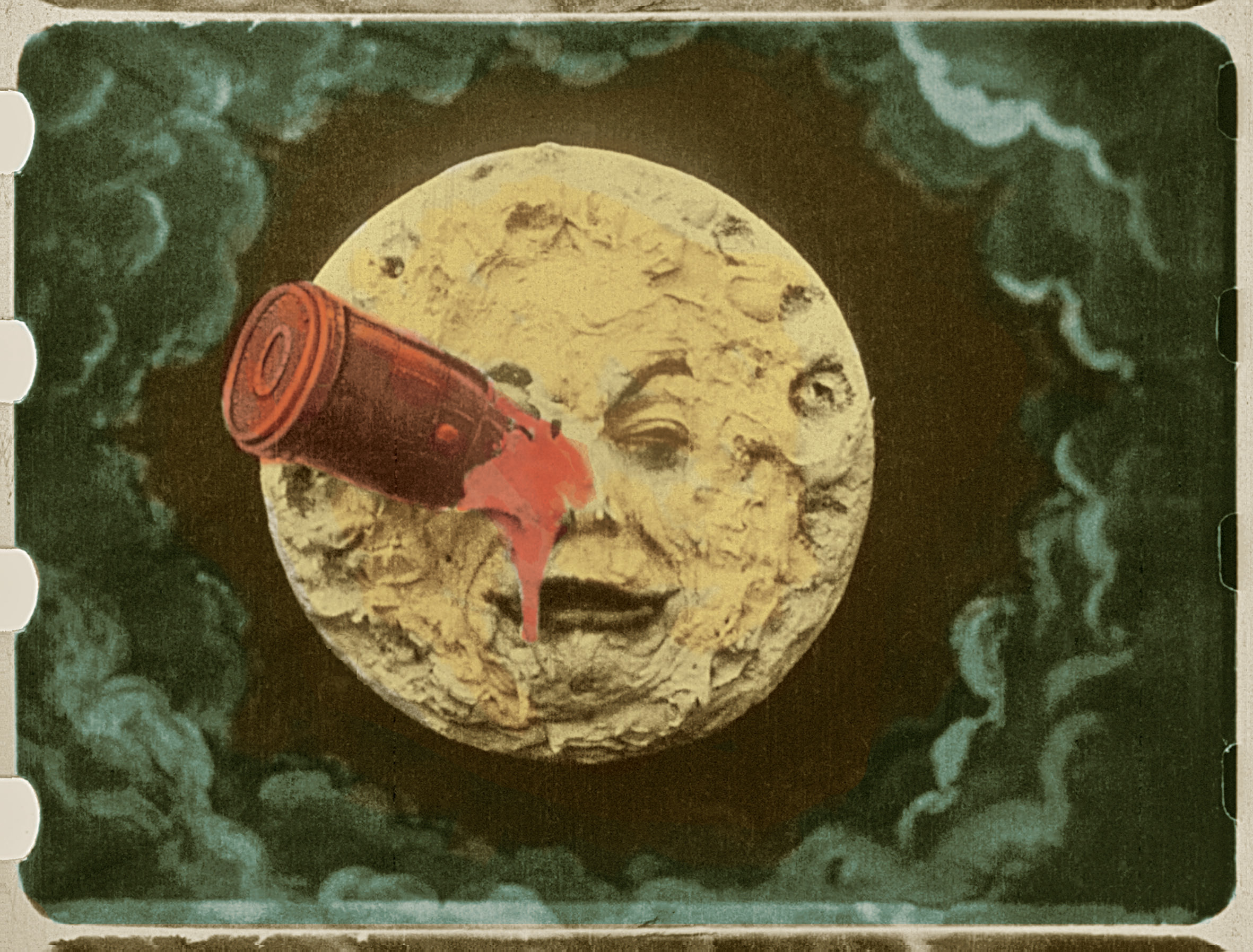
Go back to the start. The first films were short because film itself was short. A minute. A single shot. One steady camera. The Lumières pointed theirs at workers leaving a factory. Méliès pointed his at the sky and put a rocket in the eye of the moon.
A Trip to the Moon runs about fourteen minutes. Nobody made it as a demo for a bigger version. It was the whole ambition. Méliès directed more than five hundred films like it. The form did not exist to become something else. It was the thing that existed.
Features came later, when the reels got longer and the money followed the running time. The short did not grow up into the feature. The industry grew past it and kept the label pinned on for a hundred years.
The short did not graduate into the feature. It was cinema first.
The proof is already on the shelf
If a short were only a stepping stone, it would not survive being watched decades later. Some of them do far more than survive.
La Jetée is twenty-eight minutes long and built almost entirely from still photographs. It sits on the British Film Institute's list of the greatest films ever made, one of only two shorts to make the cut. It inspired a feature, 12 Monkeys. It never needed to become one. The short is the masterpiece. The remake is the footnote.
Meshes of the Afternoon runs fourteen minutes. The Library of Congress preserved it for its cultural weight. Un Chien Andalou runs about sixteen. People are still arguing about it a century later.
None of these are auditions. They are finished. You do not leave them wondering what the full version might have been. You have just watched it.
What the business card quietly costs
Here is the real damage the calling-card frame does.
It changes the question you bring to the film. Watch a short as a business card and you watch it asking what will this become. Watch it as a film and you ask what is this. One question waits on a future that never turns up. The other gets answered in the room.
It also tells the audience not to bother. If a short is a preview, why watch the preview when you could wait for the main event. So shorts stay under-watched, not because they are lesser, but because we keep introducing them as lesser.
Treat a form as a means to an end and you starve it of the one thing it needs. People who sit down to watch it on purpose.
Where we stand
This is the whole reason 50% Film exists.
We do not gather shorts to prove their directors are ready for something bigger. We gather them because the short is already the bigger thing. Fourteen minutes can hold a whole world. We have seen it happen. We keep seeing it happen.
Our plan ends in a cinema seat, not on a stepping stone. Shorts on a real screen, in a real room, in front of people who came for exactly that and nothing else. An anthology you buy a ticket to see. Not a reel of previews for careers that happen somewhere else.
So here it is, plainly. A short is not a business card. It is not a promise of a film to come. It is the film.
Make yours like it is the only one you will ever get to make. It might be. And that is enough.
Watch the short. It is not the trailer.