Let's be honest… we aren't always excited by a critically acclaimed masterpiece. And the reverse is true as well: a movie that audiences love won't always get an honorable mention for its technique or artistic concept (which is totally fine!).
This happens with cinema just as much as with other art forms. Trying to pin down what a classic work actually is has always been a topic debated by amateurs and experts alike. But the thing is, when we think of the word “classic", people usually associate it with “creations that have superior technical quality.”
For example, Agnès Varda's Cléo from 5 to 7 (1962), Coppola's The Godfather (1972), or pretty much any film by Hitchcock. All of these directors and works are considered classics because of their technical quality, uniqueness, storytelling and ongoing relevance to this day.
But are those specific attributes what actually makes a work a classic?
Italo Calvino, one of 20th-century Italy's most important writers, share some fascinating definitions for the concept of a “classic” in his book Why Read the Classics?:
1. The classics are the books of which we usually hear people say: "I am rereading…" and never "I am reading…."
2. We use the word "classics" for those books that are treasured by those who have read and loved them; but they are treasured no less by those who have the luck to read them for the first time in the best conditions to enjoy them.
3. The classics are books that exert a peculiar influence, both when they refuse to be eradicated from the mind and when they conceal themselves in the folds of memory, camouflaging themselves as the collective or individual unconscious.
Even though these definitions specifically address literary works, we can apply the same logic to other art forms, like cinema.
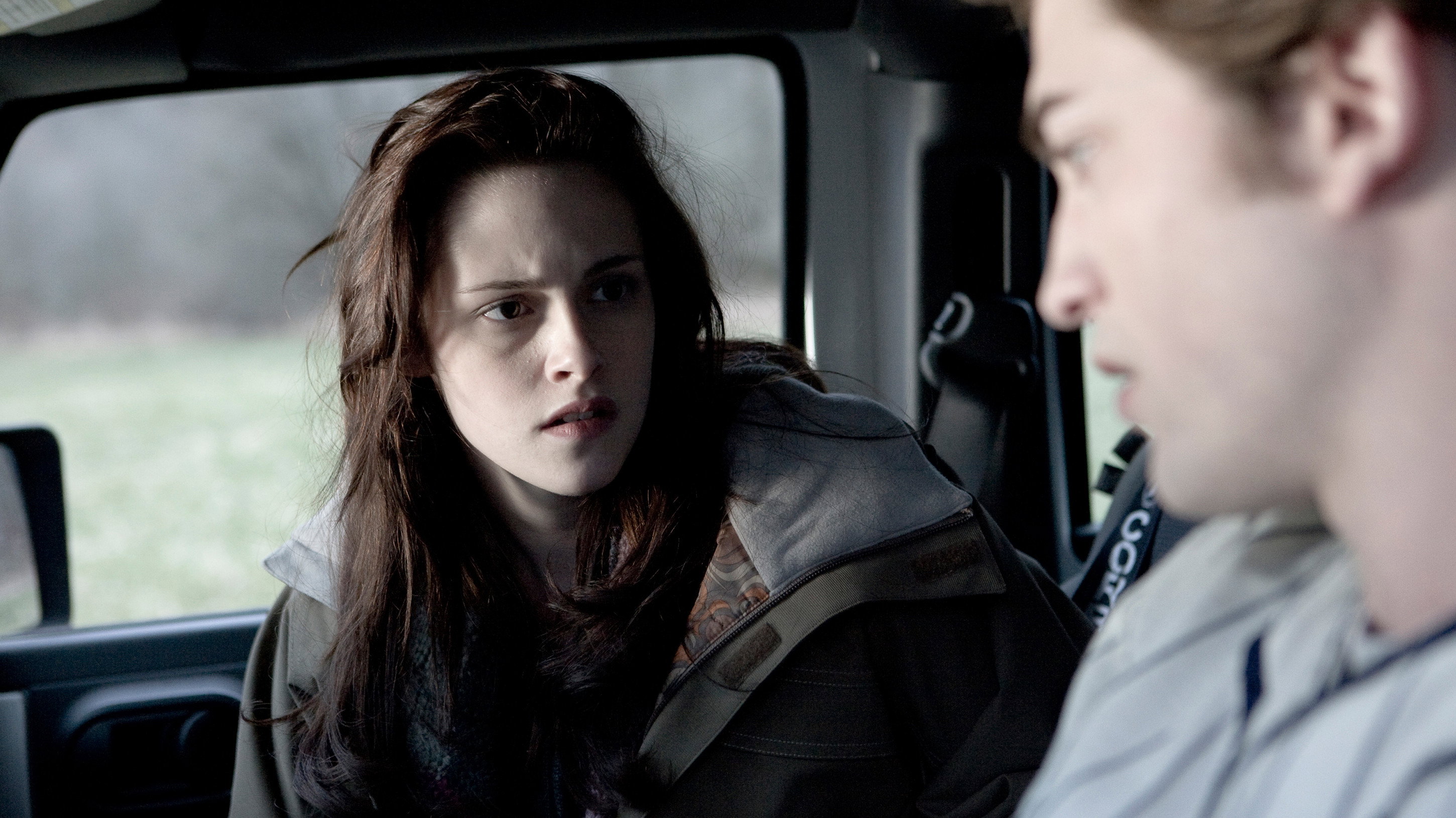
So... given all of that, can Twilight be considered a classic?
Everyone knows someone who has read or watched the Twilight saga multiple times (maybe you're even that person… I am). Ever since the 2000s, Stephenie Meyer, author, and Catherine Hardwicke, the film's director, managed to build an audience that is completely fascinated by the work.
Maybe it's too early to classify Twilight as a classic, but who knows a few years from now? Of course, sheer popularity isn't enough reason for a work to become a classic, but it's a fact that it has had, and still has, a massive influence on contemporary culture.
I've often heard people refer to a film (Twilight, for example) as a ‘guilty pleasure', that term used to something you supposedly shouldn't enjoy, but do anyway, simply because it's so-called ‘bad’ (whatever the reason may be). This is proof that there's still a lot of prejudice involved when it comes to discussing what good art is and what isn't.
During my Bachelor of Arts in Linguistics or Modern Languages, I remember hearing a professor argue that the art world should be a place of intellectual freedom. I mean, have you ever stopped to think about what makes us actually like a piece of art? Whether it's horror, comedy or romance, they all share the same goal: make us feel something.
The thing is, every now and then, a work comes along that manages to impact a huge number of people in an absurd way. As Calvino rightly pointed out, classics exert a unique influence when they impose themselves as unforgettable and also when they hide in the folds of memory.
Becoming a classic (or not) goes far beyond flawless technique. In a way, what dictates whether something is a classic or not is the audience and their desire, even if unconscious, to make a story timeless.
Have you ever heard of The Room?
A pretty well-known case in cinema is the movie The Room. The “melodrama” released in 2003 and considered by many to be the worst movie in history, it has had a dedicated fanbase for 20 years, with screenings of the film still happening all over the world.
When it first came out, the film barely made $2,000 at the box office and was panned by critics for its plot and acting, which is why theaters quickly emptied out. The thing is, when audiences started watching it, they found it really, really, really funny. Basically, the film has turned into a cult comedy classic and has even inspired tribute projects (You know… that whole thing of 'it's so bad it's good').
So, yes! Like it or not, to me, works considered bad can become classics, whether by making us suffer, moving us or making us laugh. Besides, they deserve all the credit in the world for that. I mean… with so much art being made, it isn't easy to make us feel something so intense for a story, and have that feeling stick around for years and generations.