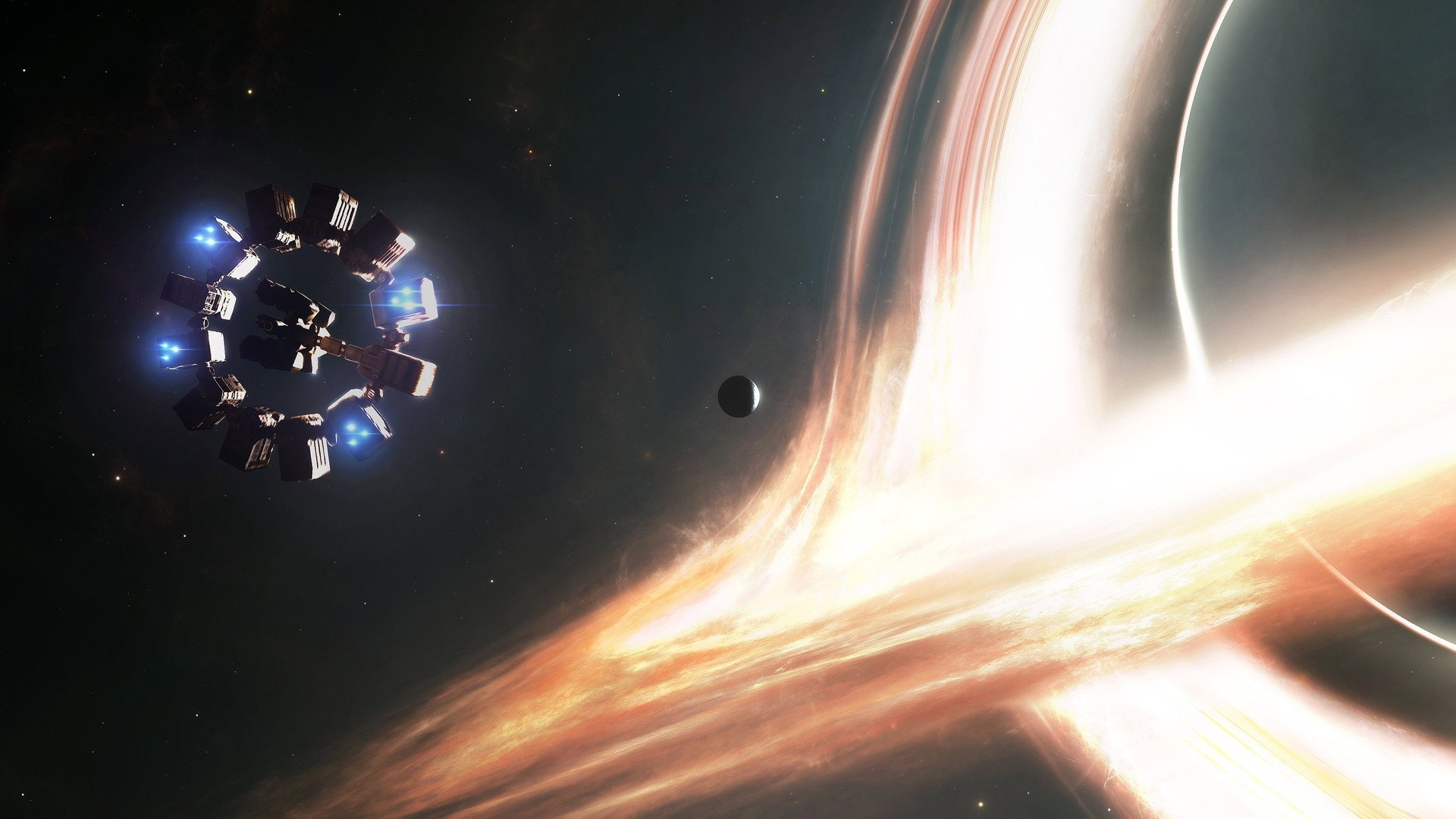
Christopher Nolan has made a name for himself over the last nearly 30 years as one of the greatest directors of our time. Working with some of Hollywood's most talented actors, he's always able to guarantee a spectacle that will challenge your mind and often cinema as a whole, not to mention his boundary pushing use of practical effects. Nolan has shown his genuine love for the art of cinema so many times, and continues to do so with his newest, The Odyssey.
However, the biggest question on everybody's mind is how well this compares to Nolan's other work. We've seen some of the best that Hollywood has to offer from Christopher Nolan himself, setting the highest bar possible for anything he does next, so does The Odyssey surpass that expectation? Here's my ranking of Nolan's entire filmography, from worst to best.
13. Following (1998)
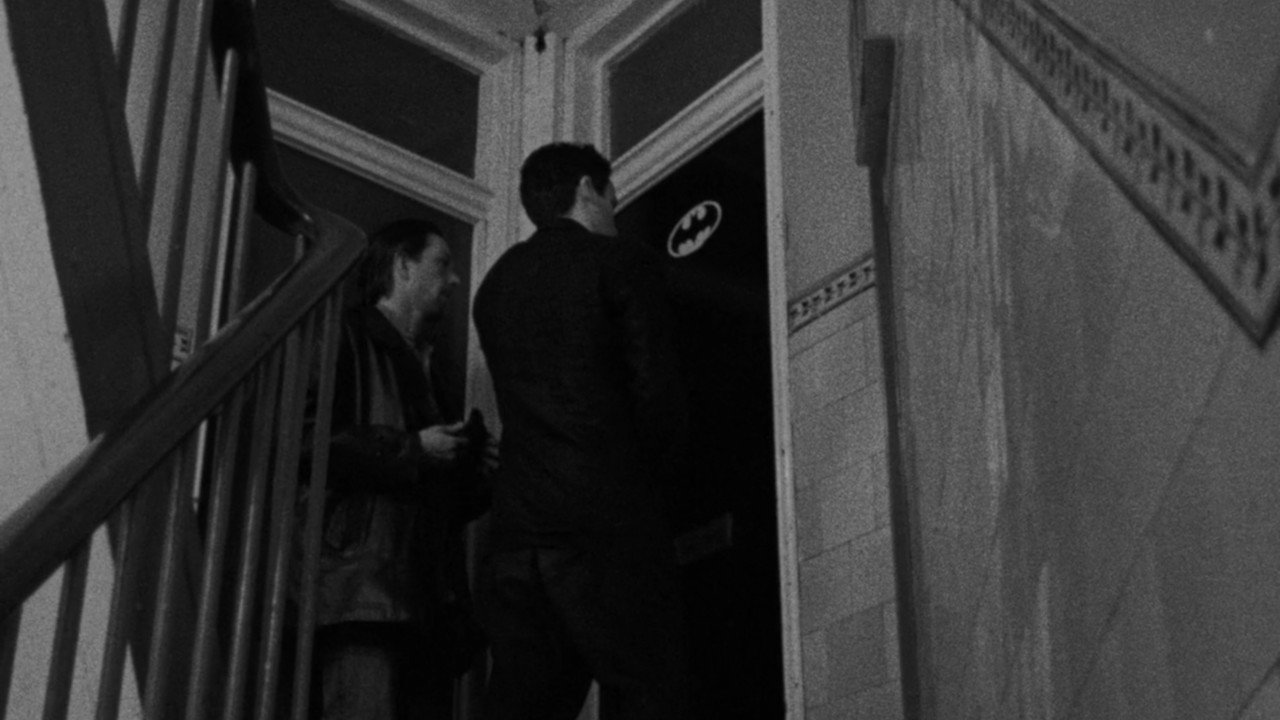
Following is Nolan's feature film debut, and unfortunately, it feels like it. That isn't to say this is bad, because it isn't, but it's nowhere near the level that Nolan's operates on today. This movie follows Bill, a man who makes a hobby out of following people in the streets. Not in a creepy way, and it isn't sexual; he just has a simple interest in the lives of random people. However, one day he breaks one of his only rules and follows the same person twice. This man happens to be a masterful burglar who lets him in on his business, leading Bill down a dangerous path, unbeknownst to him.
This is a much simpler and less grandiose movie for Nolan, but you can clearly see many early signs of his genius in some of the dialogue, blocking, and camera movement, which is the movie’s saving grace — especially against its somewhat mediocre acting and pacing. This does tend to drag quite a bit and is luckily only 70 minutes long, because it gets quite boring throughout.
One thing I absolutely love about Following is its neo-noir tone, even if it is partly created to keep production costs down. It's easier to make this look much more professional on a very small budget of £6,000 if you don’t have to worry about lighting as much. This movie was written and planned to be as inexpensive as possible, with the crew working on weekends and relying on whatever equipment and environments they were able to use for free. With this context in mind, Nolan does an incredible job of making this feel almost just as high-budget as many of his other movies.
12. Insomnia (2002)
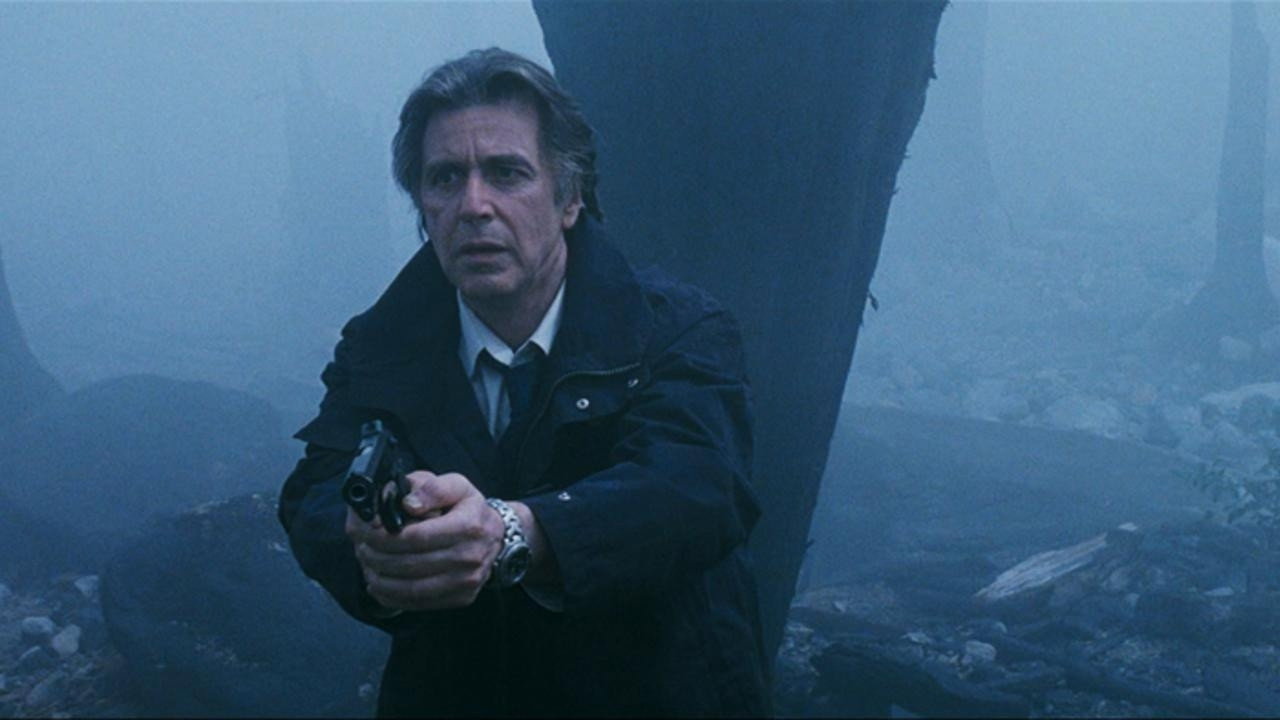
While investigating a killer in a town where the sun never sets, Detective Will Dormer finds himself unable to sleep for days, tormented by his insomnia. When this case, and the death of his partner, threaten his own personal and professional life, he joins forces with the killer to frame the victim’s abusive boyfriend. Dormer’s consciousness now causes his lack of sleep to extend and he feels he has to make things right.
There are many intriguing moments throughout, however there never seems to be enough to keep me invested in the rest of the movie, especially when much of it drags on and is simply just boring at many moments. Some films have such high highs that they’re able to hold you through the more boring moments in anticipation for that next high ; Insomnia is not one of those movies. While it does have these highs, they’re never enough to carry your excitement through as you wait for the next.
Some of the greatest parts of this movie come from the incredible acting performances that Al Pacino and Robin Williams put on, as well as their interactions. While this is one of Nolan’s weaker movies, by no means does that mean it’s bad. In fact, it has some really great moments, however there is simply too much between those great moments to justify it being any higher on this list — especially with some of the powerhouses that Nolan has brought to life.
A possible reason for this not being quite up to par with much of Christopher Nolan’s other movies is it not being written by him or his brother, Jonathan. This is written solely by Hillary Seitz, whose only other notable credits are writing on 2008’s Eagle Eye and 2021’s The Unforgivable — neither of which are exceptional. Insomnia is the only movie that Christopher Nolan himself isn’t credited as a writer on, in fact.
11. The Dark Knight Rises (2012)
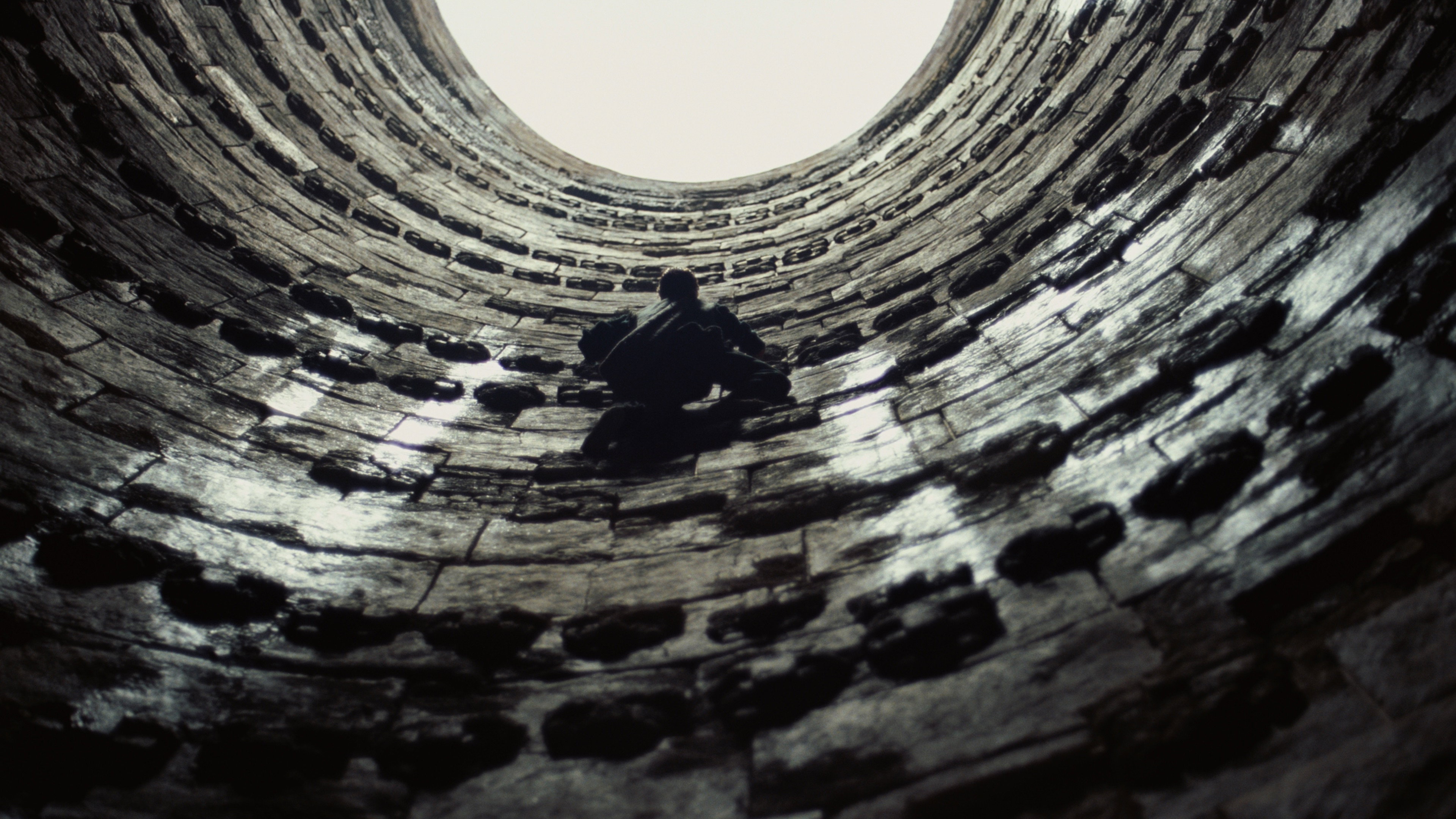
The Dark Knight trilogy comes to an end with The Dark Knight Rises, unfortunately also turning out to be the worst of the three. This is one of Nolan’s largest movies, at 165 minutes. That leaves it just behind the likes of Interstellar, Oppenheimer, and his newest, The Odyssey. However, unlike the aforementioned, this definitely feels as long as it is.
We return to Gotham many years after the events of The Dark Knight during the most peaceful time the city has seen in a long time. Bruce has retired because Gotham no longer needs him. However, this movie’s two villains challenge different parts of Bruce’s life in equally interesting ways, dragging him back into action. Selina Kyle challenges Bruce’s public life, forcing him to confront Gotham’s new problems of class disparity, more than simple mobsters.
However, Bane challenges Batman’s raw strength, forcing him to confront and overcome his limits, something that no villain had done since Ra’s Al-Ghul. Throughout, we learn that these two villains actually hold quite similar morals of dismantling class disparity, just on much different levels.
Tom Hardy delivers a horrifyingly commanding performance as Bane, feeling incredibly physically superior to absolutely anybody that he shares the screen with, even if his voice may seem somewhat strange.
One of the best parts of this movie is the sequence of Bruce in jail. This is the first time in a long time that we actually see him training, just like in Begins. We’re able to finally, once again, see Bruce’s sheer willpower in the face of adversity and almost certain death.
Parts of this can feel slightly rushed or brushed over, like the power that Johnathan Crane now holds in this post-apocalyptic Gotham, as well as the introduction of Talia Al-Ghul and Robin. However, the finale and eventual sacrifice make this all worth it, being a fitting conclusion to this incredible trilogy.
10. Dunkirk (2017)
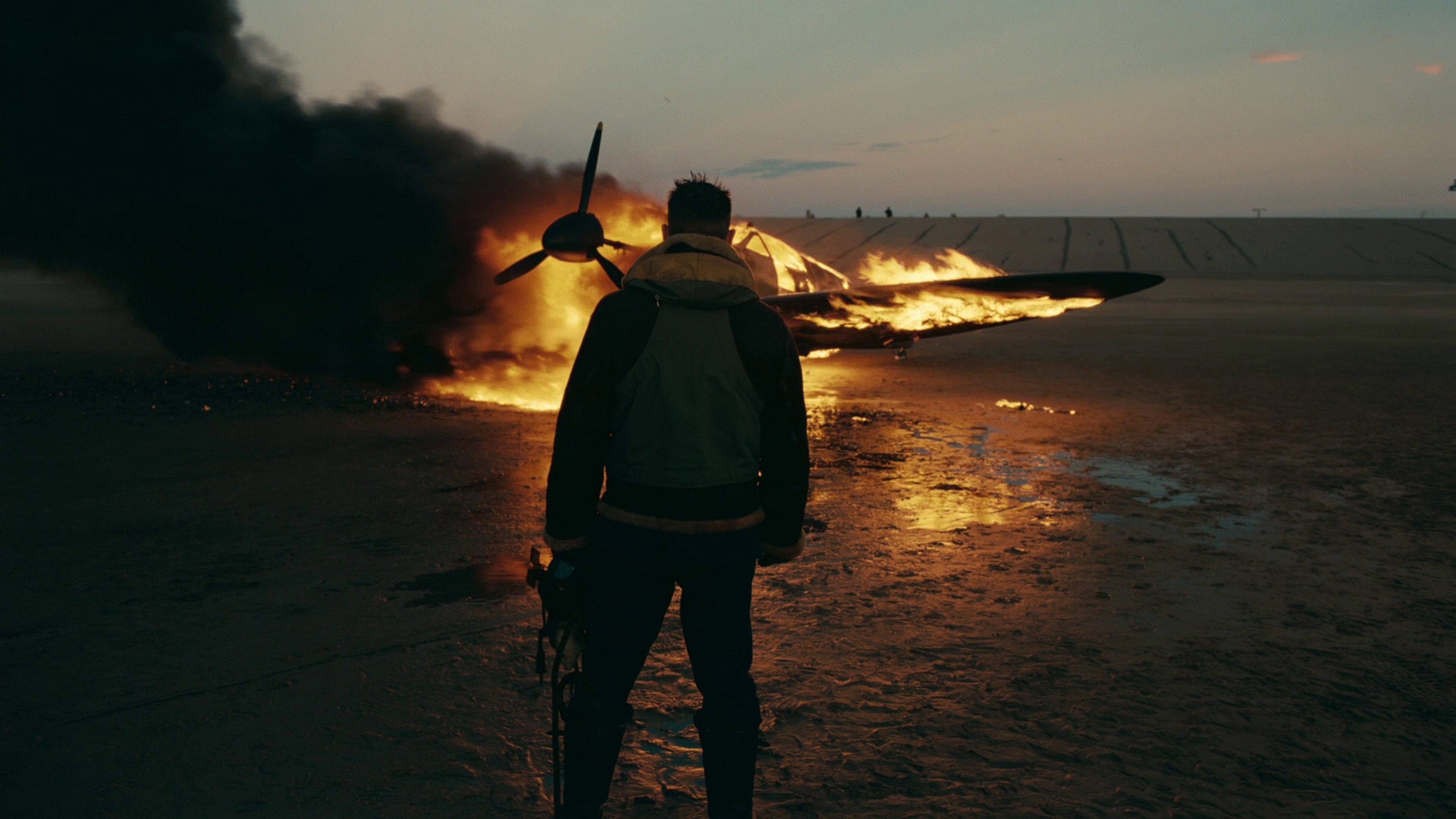
After movies like Inception and Interstellar, and before Tenet, Christopher Nolan opted for a slightly simpler, in concept, war movie following the battle at Dunkirk and a few soldiers’ journey in 1940. This movie manages to simulate the war environment in such a horrifying manner, with some beautifully terrifying silences and earth-shattering explosions. From the moment this starts, you can feel the tension in the air, just as the soldiers at Dunkirk would have. This is where this list takes a turn, as from this point on there are only incredible movies.
Not only are we able to see the journey of a group of soldiers attempting to find their way home, as well as the air force providing defence against German bombers, we’re given an incredibly valuable perspective of a group of civilians going to help, showing the camaraderie that the English people had for each other in this divided time. In these three different perspectives, Nolan is able to turn such a massive event — like war — into something so much more personal.
This movie ends in such a triumph of land, sea, and sky with so many boats being able to arrive at Dunkirk and these soldiers being welcomed back to England as heroes, rather than as the cowards they were expected to be named as. Churchill expected 30,000 men and ended up with 300,000, and the RAF pilot simply being able to stay alive and land safely is a beautiful victory in itself. However, the most impactful victory in this entire movie was George, a boy who felt like a failure his entire young life, being recognised as a local hero, showing a beautiful personal triumph within this great war.
09. Memento (2000)
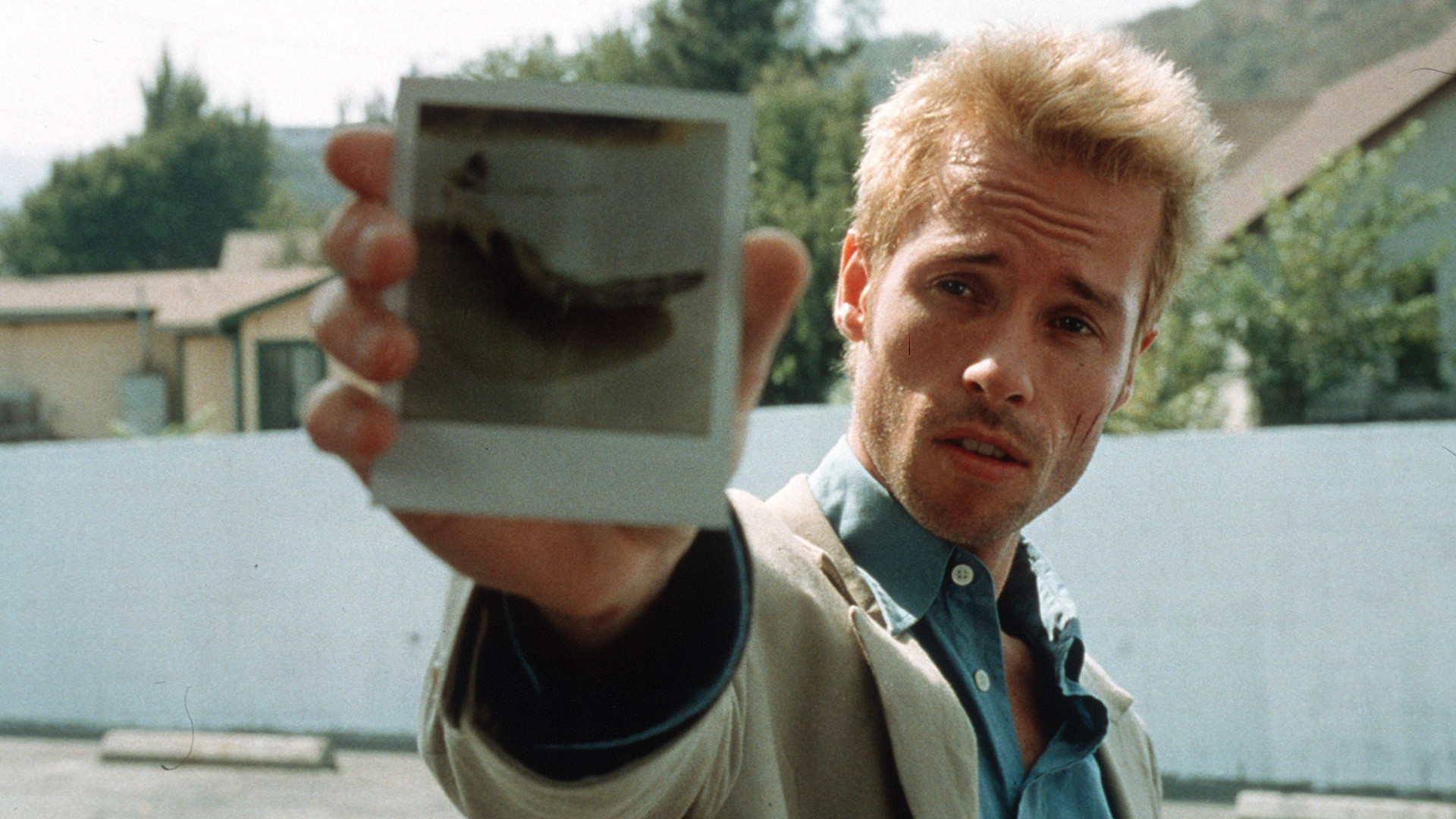
Memento is the first time Nolan somewhat played with time and certainly the structure of his movies. You could say this movie birthed the likes of Tenet and Interstellar. I absolutely love the concept of the audience watching this movie in reverse, along with Leonard. We see every scene with no context, only getting any context later on in the movie. It puts us into Leonard’s shoes, allowing us to go through this story alongside him, rather than simply as a viewer.
Memento challenges the way you watch and perceive a movie, in that you have context of what happens after whatever scene you’re currently in and where these characters end up, yet nothing about them as people or where they started. It’s almost as if the third act is the first act, and you finish the opening scene with many preconceived notions on who these people are, which gives you skewed views on these relationships or how they interact with each other. When we reach the end, most of these notions are completely flipped, showing us much of what we initially believed was false.
This is a much more comedic movie than any of Nolan’s others and this comedy is surprisingly done incredibly well. This genre is definitely something I’d love to see more from Nolan — even if that is something you could say about almost any genre.
08. Batman Begins (2005)
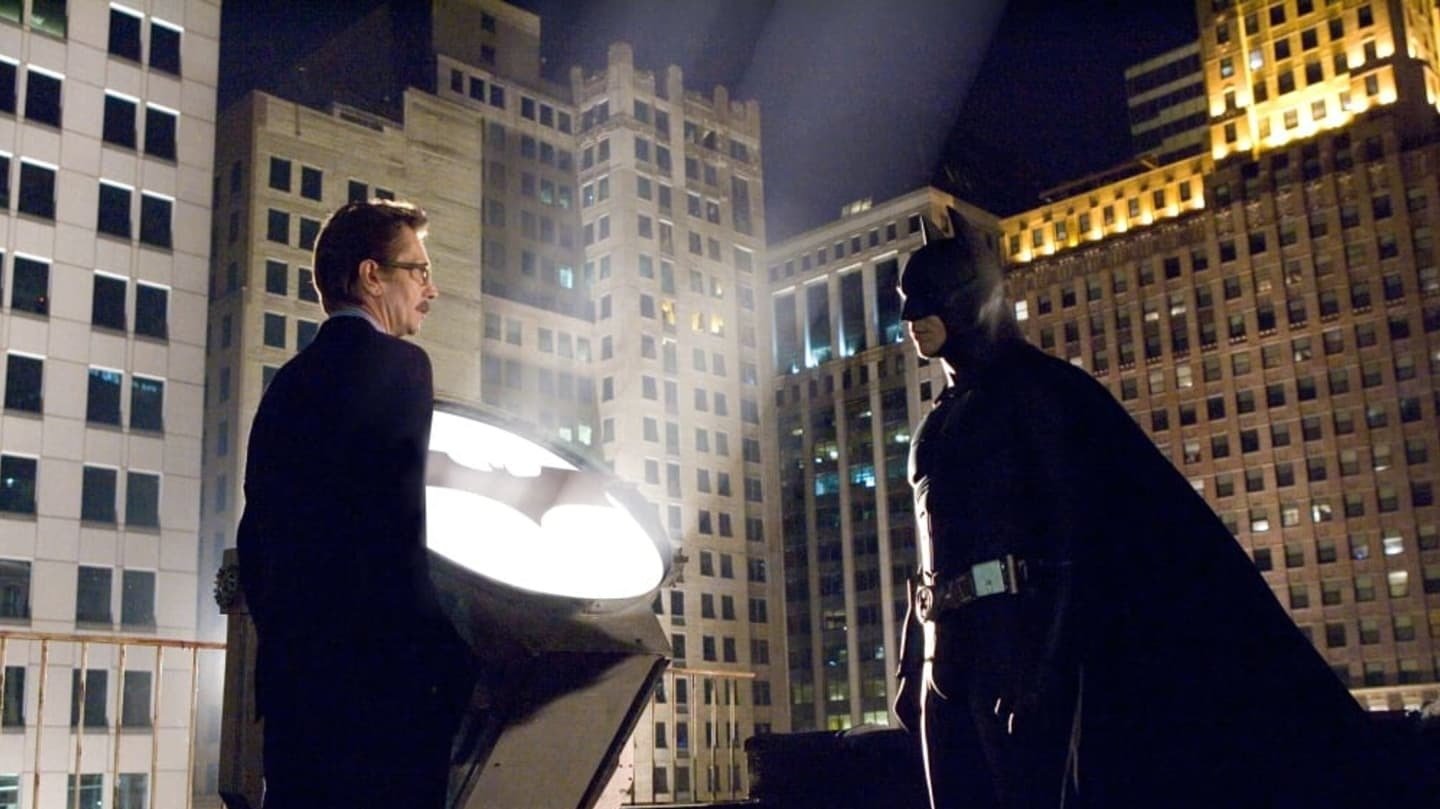
Being Nolan’s first dip into any widely known adaptation, this feels much less like a ‘Christopher Nolan movie’ than many of his others, yet is no less impressive. This is also partly due to it being the only screenplay that was co-written by somebody other than Nolan himself or his brother — except Insomnia — being David S. Goyer. While Goyer is involved in the rest of the trilogy, he’s only given a story credit. Unlike Insomnia, this is definitely still able to hold a candle to Nolan’s other movies.
The choice to use Ra’s Al-Ghul and Carmine Falcone for this first movie’s villains is such a perfect one. Ra’s Al-Ghul is able to, inadvertently, teach Bruce compassion and his own limits of taking human life, as well as giving reason to Bruce having his fighting skill and ninja-like agility.
Falcone, on the other hand, shows how deep Gotham’s underworld goes, giving the audience an idea of Bruce’s undertaking throughout this whole trilogy, as well as his strength to stand against it. The Scarecrow taking on Falcone’s mantle once he goes to prison adds another layer to show that this underworld can’t be beaten, another leader will always emerge. Not only this, The Scarecrow is also the only one able to turn Bruce’s fear against him, making him a much more formidable foe than any other villain, overpowering his mind rather than his body.
Even if Bale may not be the best Batman, he shows a great balance between the two identities that many others aren’t able to, helped in no small part by Nolan’s incredible writing.
There are a few amazingly framed fight scenes that are able to show us just how menacing Batman is to street thugs. These scenes show Batman as the terrifying figure striking fear into Gotham’s underworld in the way that these criminals really see him.
While this movie’s third act can often feel somewhat lacklustre as Nolan finales go, it lays incredible groundwork for the rest of the trilogy, and for the emergence of The Joker, escalating Gotham’s underworld to match threats like Batman.
07. The Odyssey (2026)
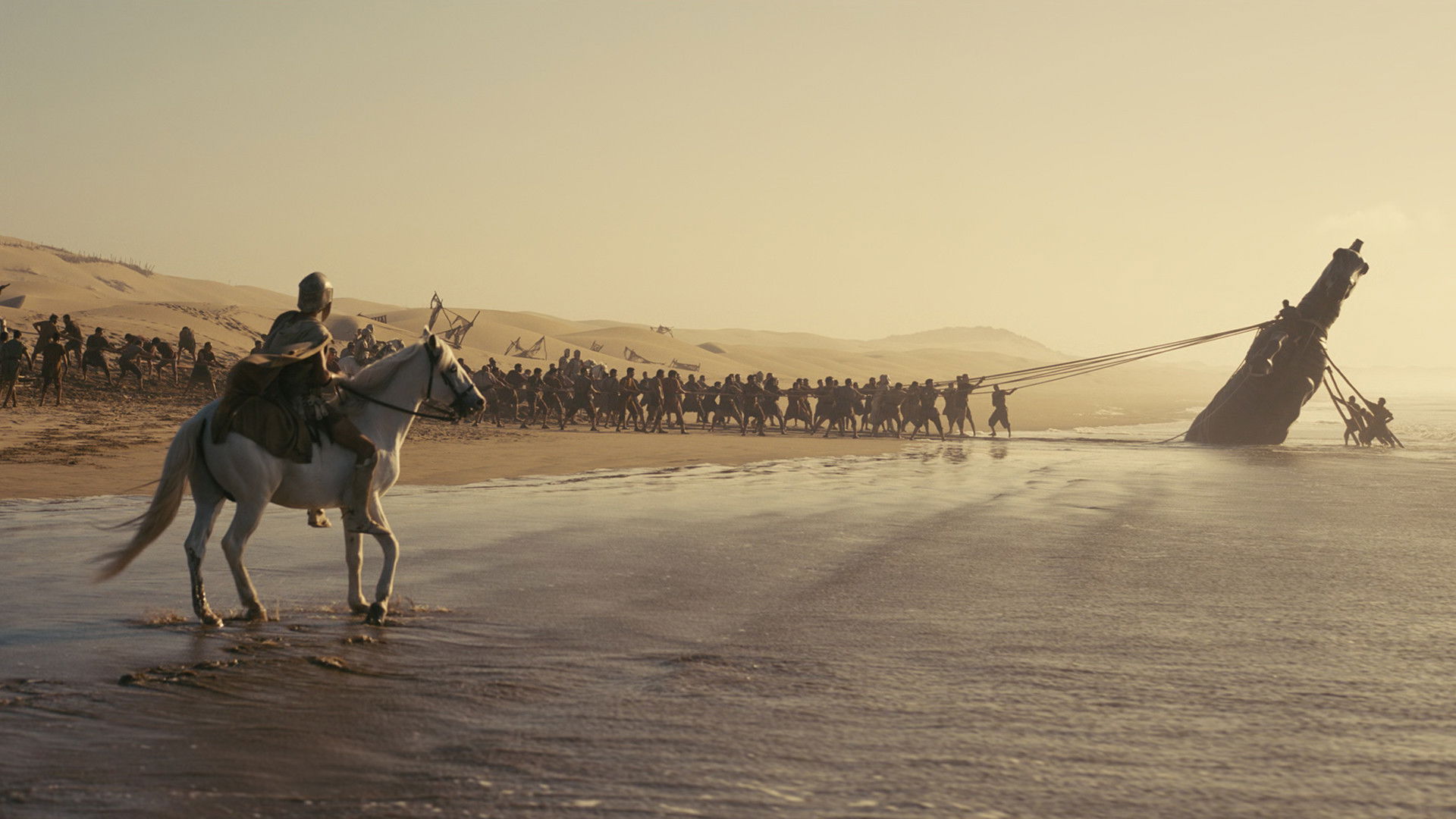
This is why you clicked on this article, The Odyssey. First, I’d like to preface this movie’s placement by saying this being 7th is by no means an indictment on the movie, in fact this is incredible praise. Christopher Nolan has such a stellar career, meaning this movie is fighting with giants — which it manages to stand beside perfectly.
There’s a lot of behind-the-scenes that make this movie so much more interesting, including its impossible practical effects — from building a 60-foot Cyclops animatronic for Polyphemus to somehow being able to film Cerce’s curse fully in camera — and the fact it’s the first movie to ever be filmed entirely on IMAX cameras.
However, what makes this really incredible is its ability to turn this large scale epic into something much more personal, as well as adding Nolan touches throughout. This movie handles much of the same viewpoint as Nolan’s other newer movies, the thought of unleashing something into the world, often for the worse, that cannot be taken away — which possibly stemmed from Nolan’s Dark Knight trilogy changing superhero movies forever. Tenet explored this through its time inversion technology, Oppenheimer through the invention of nuclear weapons, and The Odyssey through the breaking of Zeus’ law. Nolan’s fascination with this premise has brought many of his most personal works, this being no different.
Even if The Odyssey is slightly lower than I expected, and many may rightfully disagree with its placement, I’ve recently discovered that many, if not all Nolan movies are so much better on rewatch. I’m sure when I’m able to find another IMAX viewing that isn’t fully booked for the next few months, I’ll end up putting this way higher. However, this is definitely still on par with a few higher up on this list.
06. The Prestige (2006)
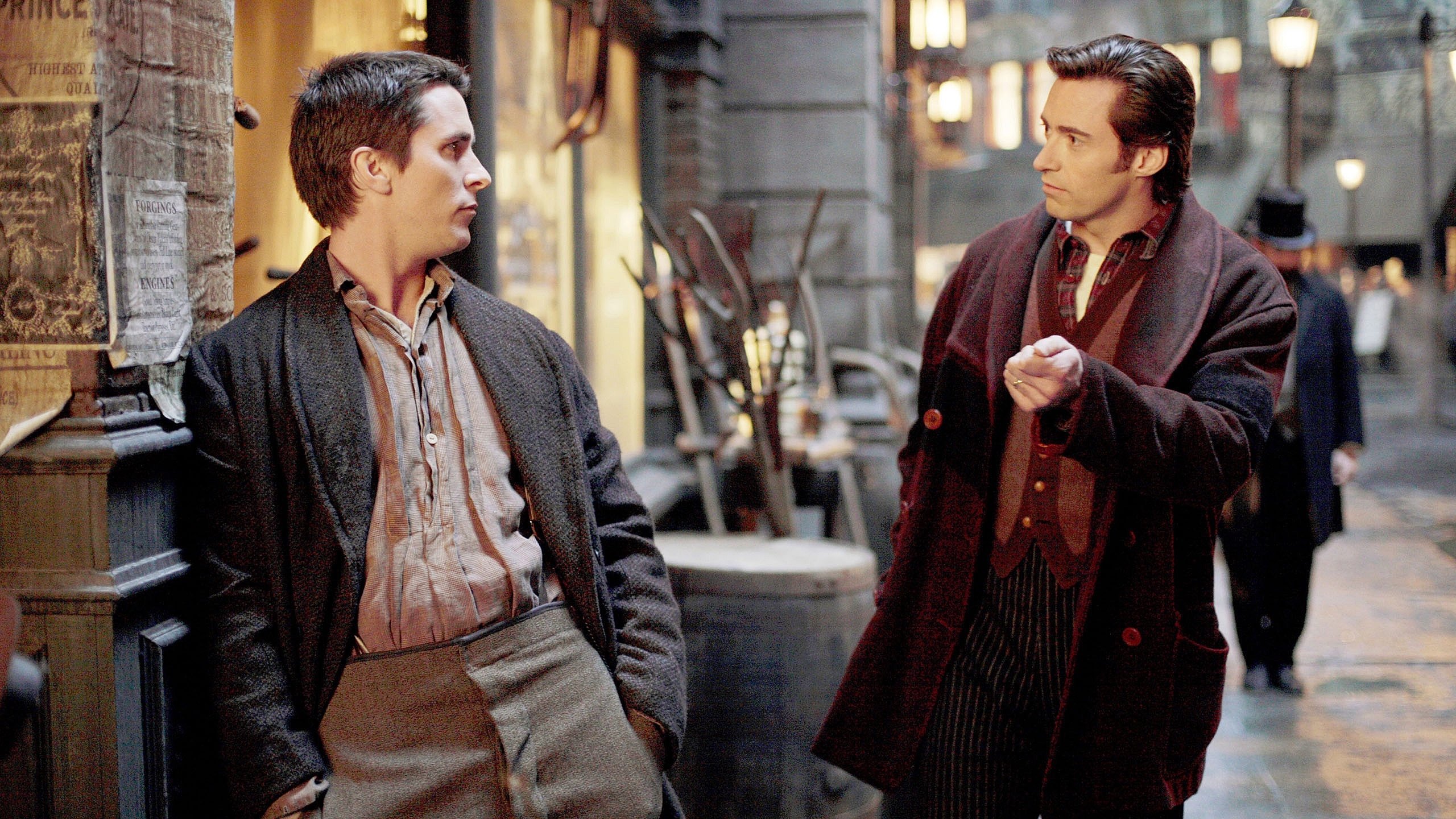
What makes The Prestige really stand out, not just within movies about magic, but also Nolan’s filmography, is its structure. Right from the start, with Cutter’s narration, we’re told exactly how this movie will play out as he explains the three stages of a trick. The first act is the ‘pledge’, in which we’re shown a seemingly ordinary set up. We’re introduced to two magicians who go from partners to a bitter rivalry, trying to one up each other’s shows, after the death of Angier’s wife.
The second act shows us the ‘turn’. We’re presented with something much more extraordinary — a trick that looks impossible. As Angier tries to figure out how Borden performed this trick, we enter the ‘prestige’. Every single twist is revealed, completing the elaborate trick that is this movie.
Even on the surface, however, this has some incredible performances from Hugh Jackman and Christian Bale, with a really captivating story of this magical rivalry — which is all, of course, paced amazingly.
The final ten minutes of this movie are so impressive, telling us every single secret that lies within. These last moments show us exactly why the first line of the entire movie is “are you watching closely?”. Every single moment that Borden is on screen gives hints as to his true identities in even the smallest of moments. While Angier’s secret is much more exposed to us, the audience, as we spend most of this movie in his perspective, the final moments are no less impressive for this character.
05. Tenet (2020)
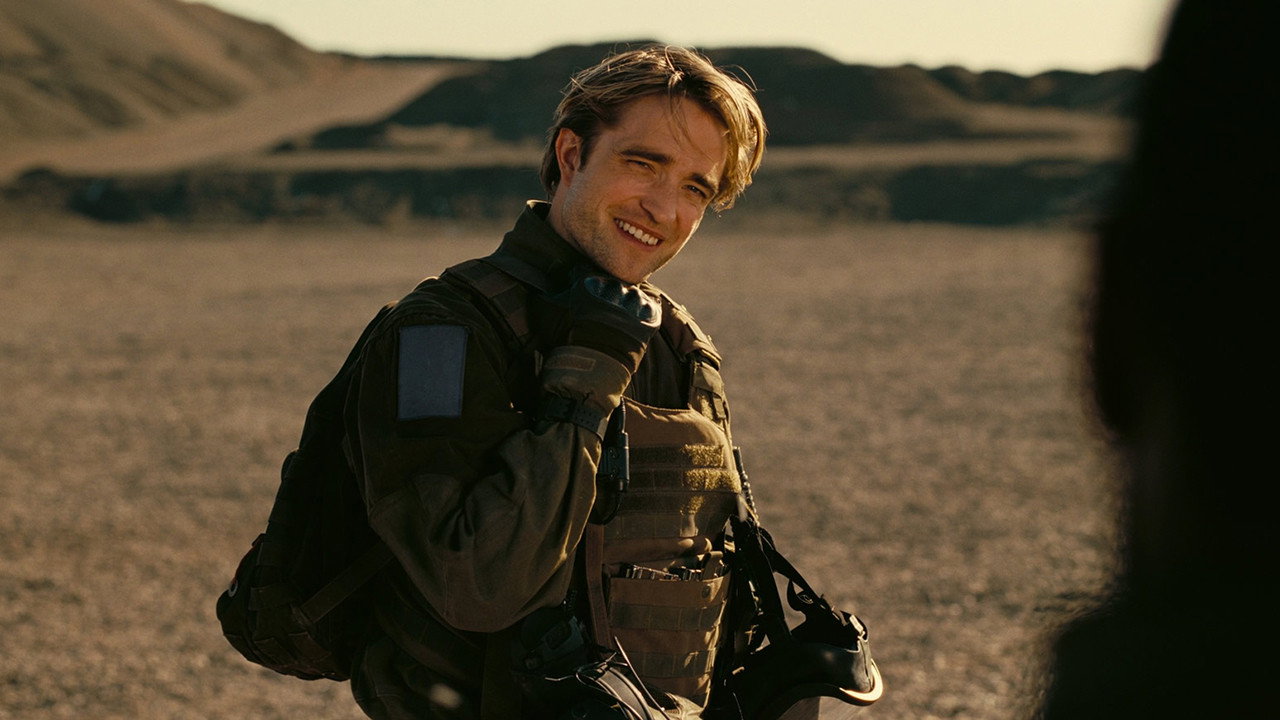
Entering the top five, we’re starting off with arguably Nolan’s most ambitious story, playing with time and structure more than he ever has before, and as you can see from its placement, it definitely pays off. Tenet is a marvel of cinematic creation and, as long as you immerse yourself, proves to be an incredibly fun, emotional, and action-packed ride.
While many regard this as one of the most confusing movies of all time, I believe that’s because they try to understand it more than necessary. They even state in the movie: "don't try to understand it, just feel it”. Use this philosophy as you watch and I’m sure you’ll have an incredible two and a half hours.
To be honest, even trying to explain the plot of this in any detail at all is futile. There’s simply no way to prepare somebody with prior knowledge of the story, you have to let yourself experience it. If you allow this world to take you, this can give you a much different viewing experience than many Nolan movies, and possibly many movies in general. There’s simply nothing like Tenet.
There are so many interesting uses of time within this, the best being the numerous fight scenes in which one party is moving forward, while the other moves backward. The best example of this is the final fight, creating an entire battlefield with two sides moving through time differently.
04. Oppenheimer (2023)
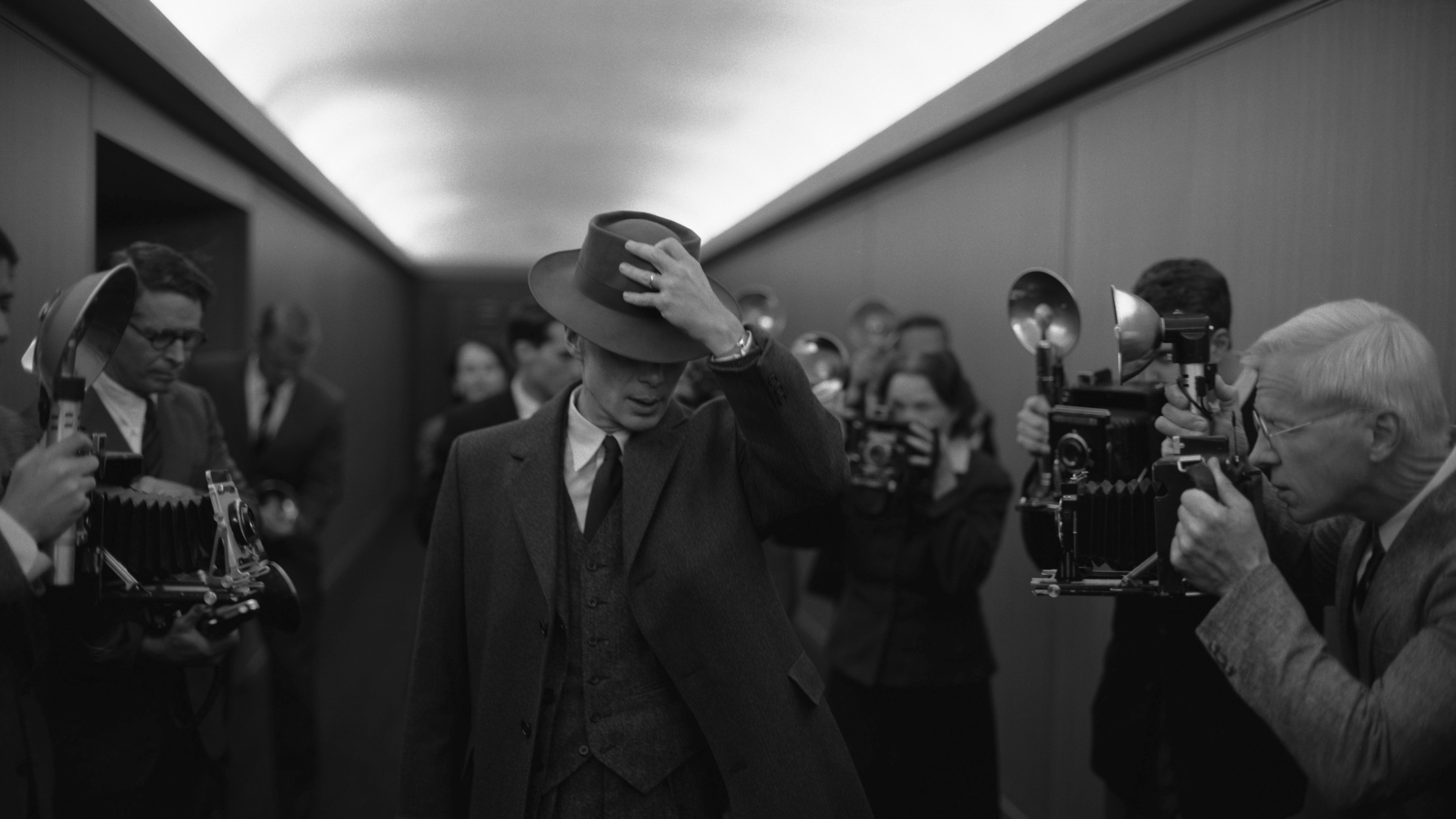
In my opinion, Oppenheimer contains one of, if not the best score in a Nolan movie. The rush of Ludwig Göransson's music perfectly simulates the feeling of a scientific breakthrough, in both a positive and a negative light. This movie was a long time coming for Cillian Murphy as it was his first leading Nolan role, after five movies over almost twenty years.
The difference in the colour and black-and-white scenes creates a beautiful dichotomy throughout, which adds a really interesting perspective. The black and white represents an objective view of Oppenheimer’s life, while the scenes in colour show his own, subjective point of view. What makes this so interesting is that it gives us a much more full picture of this story, more than simply Robert’s life as he may have seen it, or how the outside world perceived him.
Even though, on the surface, this seems like it may be a trudge to sit through, this manages to make something just as interesting as Nolan’s many action-heavy cinematic spectacles. This is always gripping and exciting, even and somehow especially when they’re simply sitting in a boardroom, talking about a prosecution. This is something that seems like it could be incredibly boring, yet due to the beautifully terrifying sound editing, every moment manages to feel stressful beyond belief, emphasised tenfold in the final thirty minutes.
The Trinity Test scene is absolutely beautiful and I may be so bold to say one of the greatest explosion scenes in cinema. While many believed this was underwhelming and didn’t look big enough, the emphasis was on the reaction, not the bomb itself. This scene turns the course of the movie from a journey towards this unthinkable goal, to realising the regret of what this end goal was ultimately used for.
After all the build up to this explosion of sound, our expectations are completely subverted by giving us absolute silence. All we hear is deep breathing and see everybody’s wondrous reactions while this beautiful mushroom cloud forms. After this incredibly long moment where it feels as if time stands still, we’re finally brought back to reality by being hit with the impact of this explosion, showing just how powerful it really is.
03. The Dark Knight (2008)
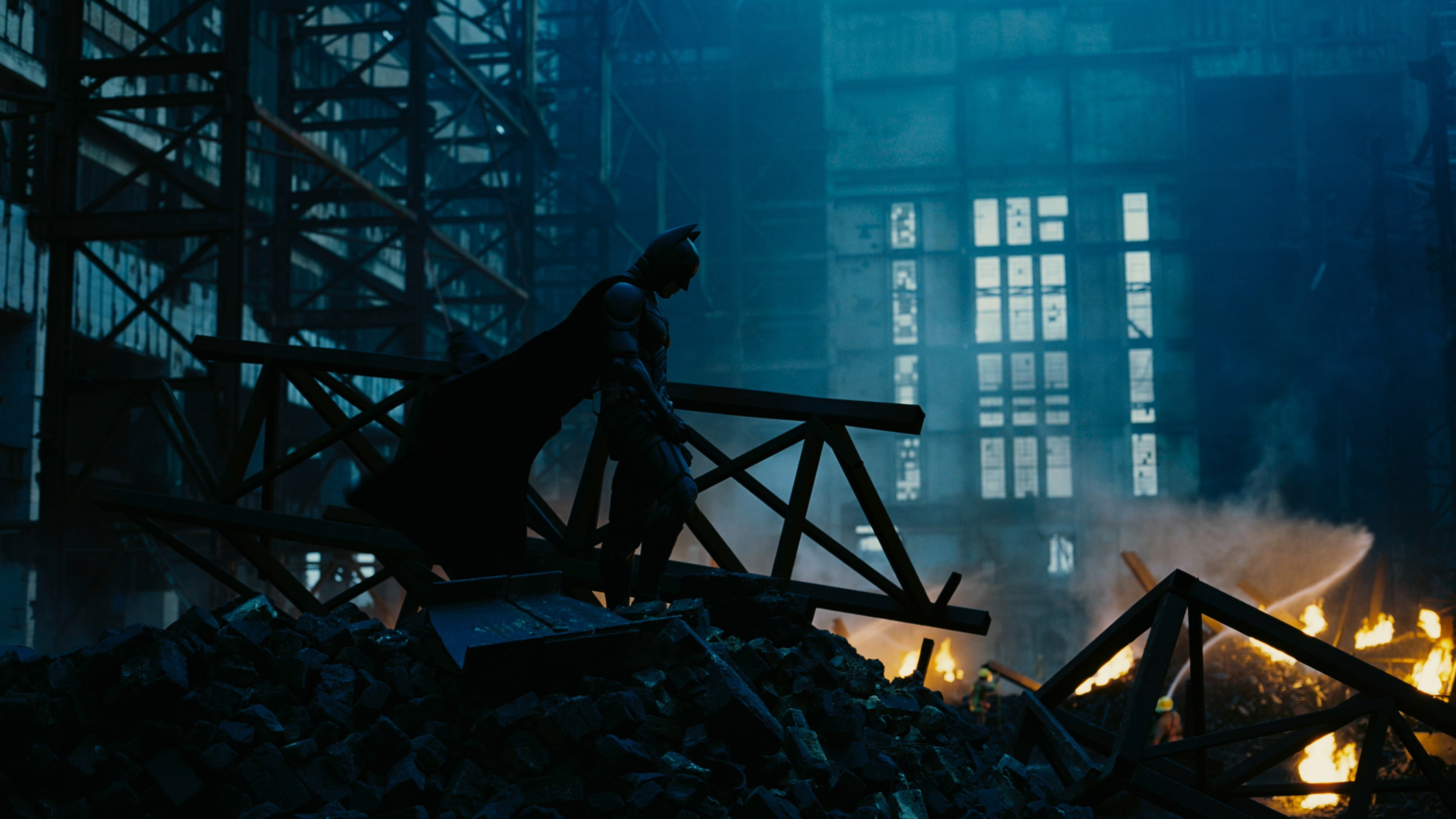
Unlike the first movie in this trilogy, Batman Begins, Nolan is given much more free rein for The Dark Knight, which you can really feel. This is mostly shown through the action sequences and how much more palpable it all feels, looking so much more true to what Nolan is capable of.
This starts off introducing the villain of this movie, the Joker and his awe-inspiring opening scene. This immediately sets a precedent for Gotham’s evolved underworld, now becoming much more dangerous, yet undercover now that Batman is around. We’re also shown that the Joker isn’t scared of the various mobs that roam Gotham’s streets, which is something that carries through the entire movie. Including Johnathan Crane in this scene simply shows how small the threats from Batman Begins, that previously seemed unstoppable, now seem like nothing compared to the Joker.
The late Heath Ledger is an absolute force in this movie and is obviously the biggest highlight. He’s able to command every single moment he’s even as much as mentioned, showing the world the blueprint for how to do the Joker right with his all time performance. Everything down to the small twitches and the way he speaks is perfectly executed, it’s hard to imagine anybody better for the role.
While this is an incredible movie throughout, a lot aside from its villain and the complexities of merely including Harvey Dent isn’t that far above that of Batman Begins. However, because of just how good this villain is, it’s able to stay leagues above, without a doubt.
One small thing I love about this is that we’re finally able to see the other side of Batman, his detective skills. This is something we weren’t really able to see much of in the first movie, and even any Batman projects aside from 2022’s The Batman, but is such a big part of this character that is often forgotten about.
02. Interstellar (2014)
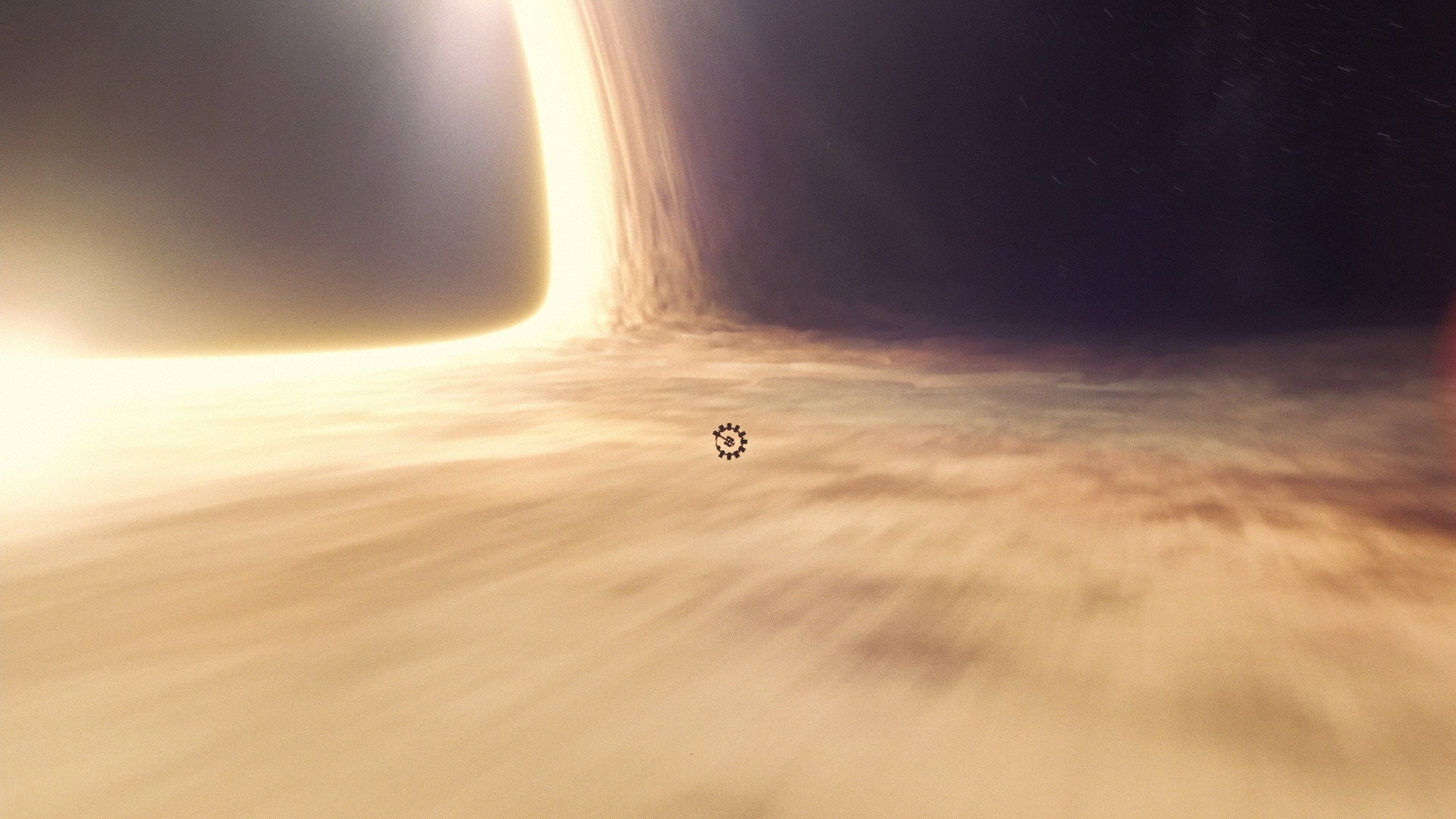
Interstellar is a movie that requires no introduction, this is Nolan’s biggest movie — and for good reason. While this is quite a long movie, clocking in at almost three hours, you never feel this length due to its incredible pacing and the pure excitement of so many scenes.
This is, without a doubt, Nolan’s most visually interesting and beautiful movie in its cinematography and incredible score, and this has one of the best scenes in any Nolan movie to date. This is when Cooper sees his children grow up before his eyes after being stranded on Miller’s Planet. We see him miss his children’s entire lives after just a few hours, accompanied by Matthew McConaughey’s beautiful performance.
Every single moment throughout, from the beautiful scenes hurtling through black holes, to simply docking the ship, feel so incredibly powerful and exhilarating. At no point does this give you any sense of safety, allowing you to breathe. This puts you into the shoes of these characters so perfectly as they traverse the vast emptiness of space.
There’s so much silence in this movie, in between scenes with the harshest of sound and light, to really put you into the depth and endlessness of space. This makes you feel this loneliness at the edge of the universe, all while you’re sitting on your sofa.
Even with all the time dilation and complexities of space buried within this movie, Nolan still manages to root this in love and the relationship between Cooper and Murph. This makes the story never feel too grand in the immense grandeur of this concept. We’re constantly reminded what this is all for.
01. Inception (2010)
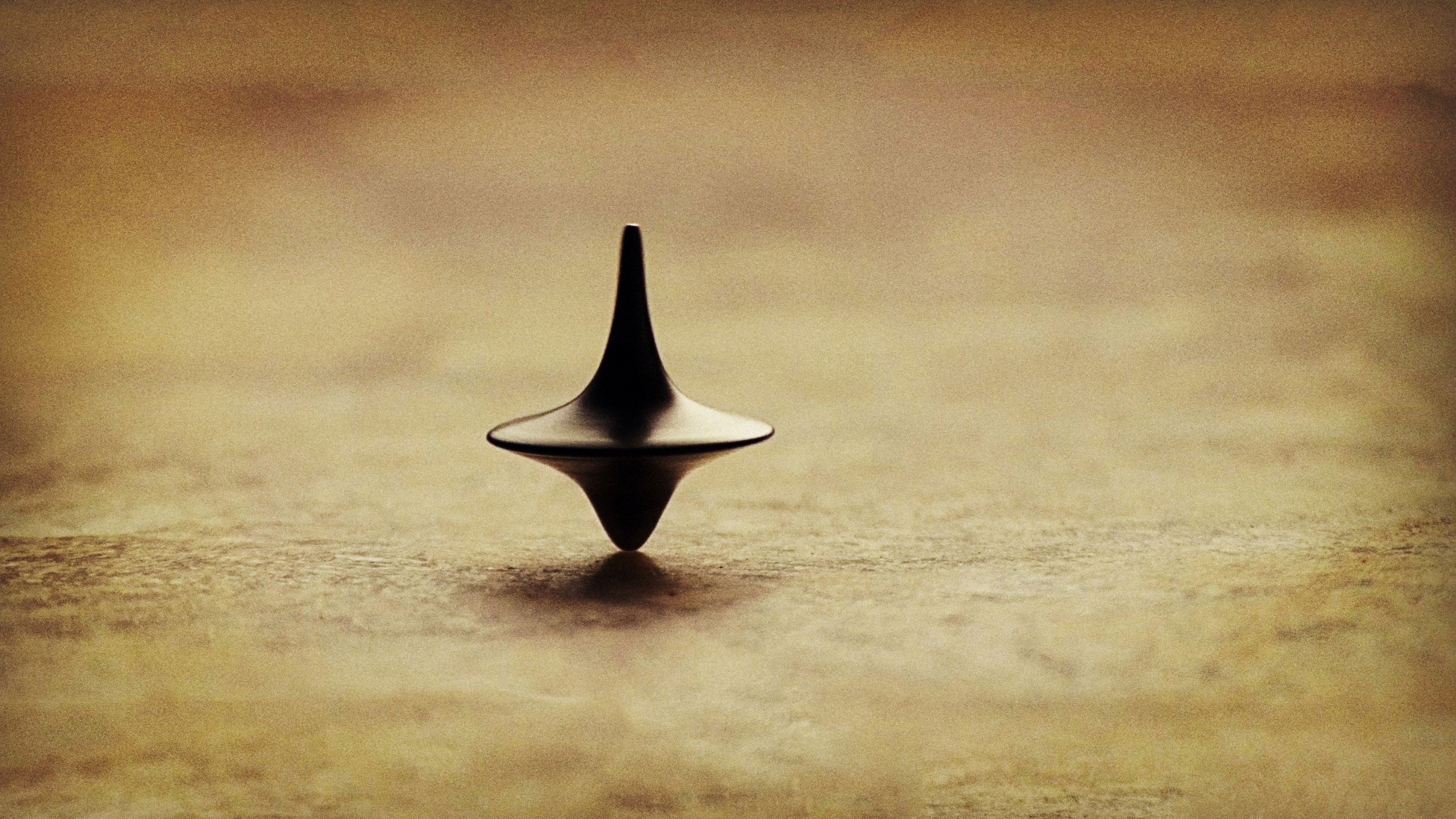
Inception has been my favourite of Nolan’s movies ever since I first watched it, and I don’t see that changing any time soon. The core of this movie lies in its visuals, which are incredibly impressive and realistic looking, down to every single detail.
Nolan has a talent for writing his movies in a way that makes so many convoluted ideas feel so simple, Inception is no different. I’ve seen this movie multiple times by now and even after many rewatches, the stakes still feel no less real and tense, to the point where every watch always feels like the first time.
As we fall deeper into Fischer’s complicated mind, we really take a journey through Cobb’s troubles, as well as the mystery between him and his wife, making for a much more compelling story than on the surface — which, even in itself, is very interesting.
While Leonardo DiCaprio, Elliot Page, and Cillian Murphy are the obvious highlights of this star-studded, beautifully talented cast, Joseph Gordon-Levitt’s contribution seems to be often wrongfully overshadowed by the many powerhouses at play. Not to mention Tom Hardy’s perfectly executed balancing act between comedy and his just as important and impressive role here.
Inception ends in such a beautiful way, in which this world may not be real. However, that no longer matters to Cobb after fighting with his reality throughout the entire film, as he’s now able to spend his life happily with his children. This brings the story to a beautiful end, creating harmony between the score, the editing, and the narrative itself. This finale is so simple, yet so beautiful and leaves the audience with many questions, yet a strange satisfaction in not having those answers.