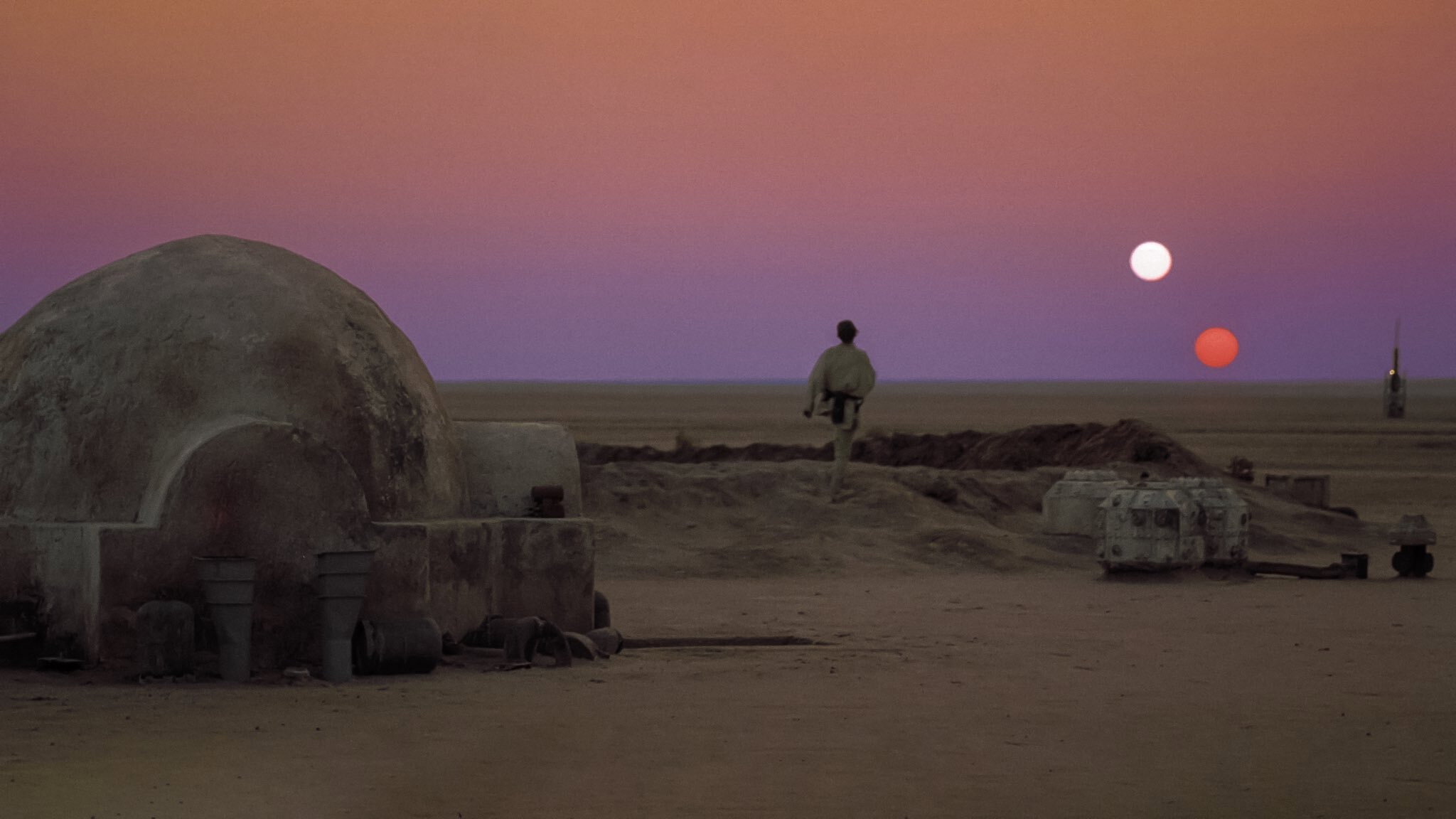
If you were to ask anyone to name a piece of Science Fiction work, chances are, they’re going to name either Star Wars, Star Trek, or Alien. For decades, the genre has been reduced to a particular visual epidemic: spaceships, distant planets, aliens, and intergalactic battles. But has our obsession with space overshadowed what Science Fiction really is?
At its core, Science fiction isn’t defined by where a story takes place, but by the technological, scientific, social, or philosophical questions it asks. It imagines an alternate reality facing discoveries and problems, asking the essential question: what if?
Mary Shelley’s 1818 novel Frankenstein is widely regarded as the true science fiction novel because it replaced supernatural explanations with scientific possibility. Frankenstein didn’t create life through magic or divine intervention, but through experimental science. In doing so, Shelley established one of science fiction’s defining concerns: the consequences of scientific progress and humanity’s relationship with its own creations. More than two centuries later, that same question still lies at the heart of the genre.
Frankenstein was written in an era of great scientific and technological developments. Electricity and examination of the human body, along with chemistry, started to raise questions about the historical beliefs on creation and death. Galvanism, the process of using electric current to provoke contraction in the muscles of a dead body, caught the imagination of both scientists and the public. Therefore, Shelley speculated what would happen if science itself were able to revive people instead of appealing to some unknown forces.
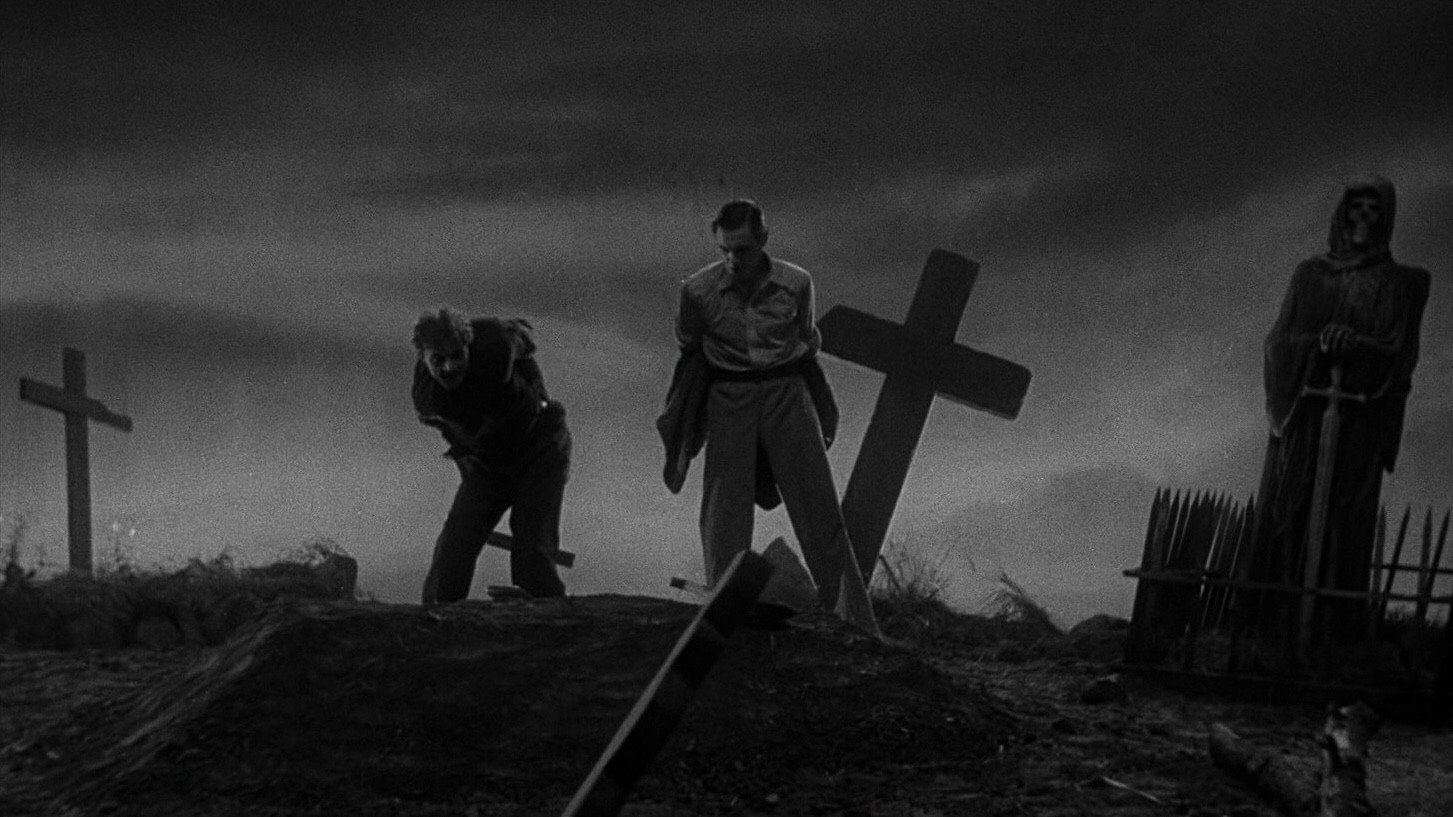
In contrast to Gothic horror that frequently mandates readers to accept the existence of ghosts or curses, the novel Frankenstein proposes a scientific thesis. Shelley presents an interesting question: What would happen if man succeeded in making life? Everything that happens after this establishes the consequences of this question. The speculative nature would become one of the hallmarks of the science fiction genre.
Long before audiences associated science fiction with spaceships and alien worlds, the genre was already exploring ethics, technology and humanity’s future. Space would eventually become one branch of science fiction, but it was never the foundation upon which the genre was built.
As science continued to advance throughout the nineteenth and early twentieth centuries, so too did Sci-Fi. Rather than remaining focused solely on the creation of life, authors began applying Shelley’s speculative formula to an increasingly diverse range of ideas. The question of “What if?” was no longer confined to the laboratory but expanded to encompass exploration, time, evolution and society itself.
French novelist Jules Verne became one of the genre’s earliest pioneers, imagining technologies that seemed impossible yet remained rooted in scientific plausibility. Works such as Twenty Thousand Leagues Under the Seasand From the Earth to the Moon reflected the optimism of the Industrial Revolution, celebrating human ingenuity and technological progress. Verne demonstrated that science fiction could inspire wonder without relying on fantasy, presenting inventions that often foreshadowed real scientific achievements.
Meanwhile, H. G. Wells took the genre in a different direction. Rather than celebrating science, Wells used speculative fiction to examine the fears and inequalities of Victorian society. The Time Machine explored class division through humanity's evolution into the Eloi and Morlocks, while The War of the Worlds turned Britain’s imperial dominance on its head by imagining England as the victim of an overwhelming alien invasion. Wells proved that science fiction could be more than stories about invention; it could act as a mirror, reflecting the political, social and moral concerns of its own time.
By the beginning of the twentieth century, science fiction had developed into a remarkably broad genre. Stories explored dystopian futures, artificial intelligence, genetic engineering, alternate histories and time travel, each united not by a common setting but by a common purpose: to speculate on how scientific or societal change might reshape humanity. Space was only one of many possibilities available to science fiction writers.
Yet, despite this diversity, it is the spacefaring adventures of the late twentieth century that have come to dominate public perception of the genre. The rise of space-focused science fiction was closely connected to the political and technological developments of the twentieth century. As humanity entered the Space Age, particularly following the launch of Sputnik 1 in 1957 and the subsequent competition between the United States and the Soviet Union, outer space transformed from a distant fantasy into a realistic possibility. Science fiction began to function not simply as an escape into unknown worlds, but as a way of imagining humanity’s potential future beyond Earth.
This shift allowed the genre to explore both optimism and uncertainty surrounding technological advancement. Space exploration represented human curiosity, discovery and progress, yet it also raised questions about militarisation, imperialism and humanity’s desire to expand its influence beyond its own planet. The imagined colonisation of other worlds often reflected existing concerns about political power and social organisation on Earth. In this sense, space became another setting through which science fiction could examine familiar human conflicts rather than merely a backdrop for adventure.
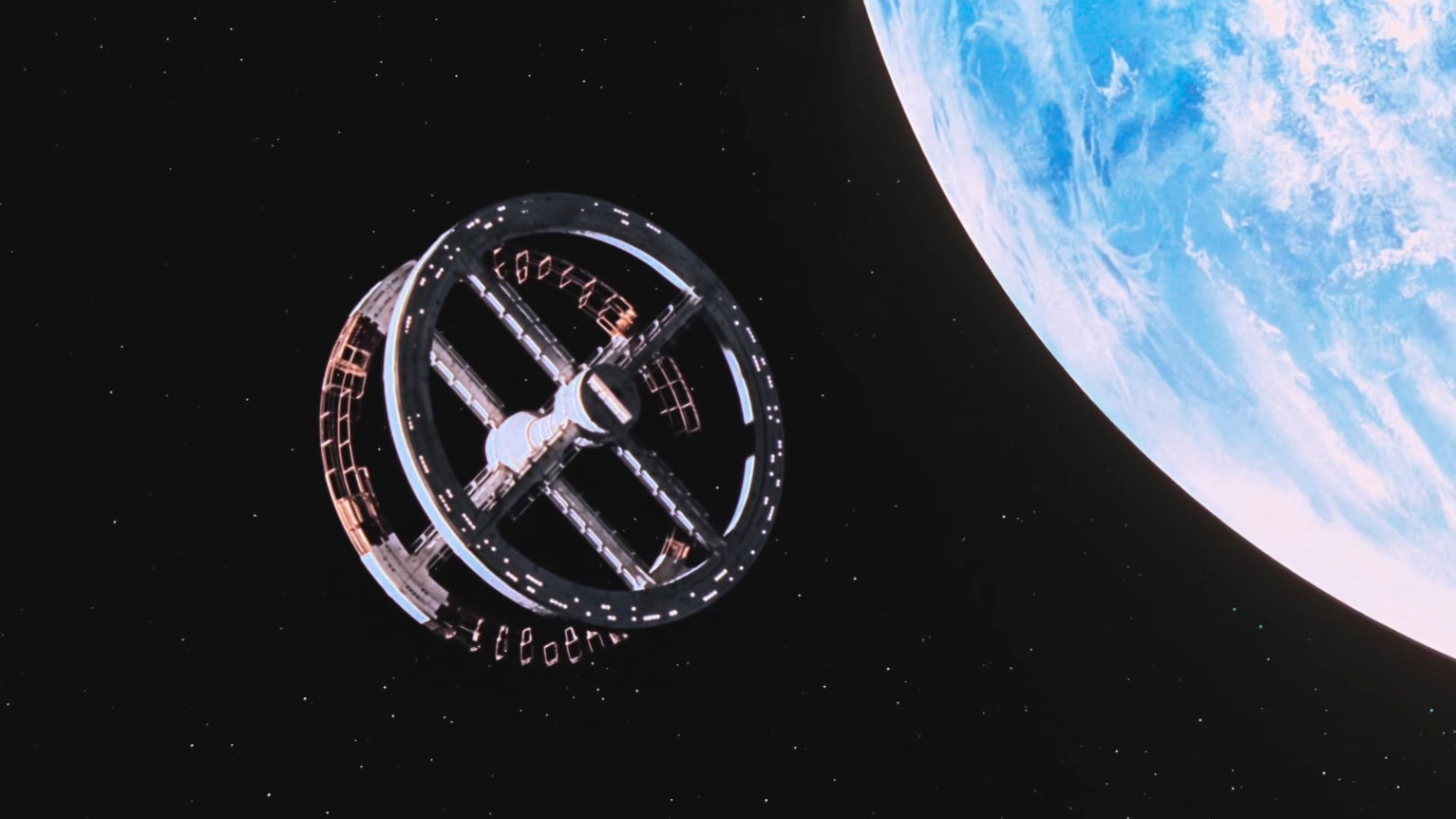
By the latter half of the twentieth century, these ideas became increasingly visible in popular cinema. Films such as 2001: A Space Odyssey and Star Wars demonstrated the genre’s ability to combine philosophical questions about humanity’s future with spectacular visions of space travel. While these films helped establish space exploration as one of science fiction’s most recognisable images, they remained connected to the genre’s original purpose established by Shelley: using imagined futures to question the consequences of human ambition and technological progress.
The dominance of space within popular understandings of science fiction is therefore less a reflection of the genre’s true boundaries and more a result of the cultural impact of a particular branch of science fiction. Space offered filmmakers and audiences a visual representation of the unknown, providing an almost limitless canvas for exploring ideas about humanity’s future. Unlike other forms of science fiction, which often focused on invisible or abstract developments such as artificial intelligence, genetic manipulation or social change, space travel created a sense of spectacle that could be immediately communicated through cinema.
The appeal of space also reflected wider twentieth-century hopes and anxieties surrounding progress. The exploration of other planets represented humanity’s desire to overcome its limitations and expand its knowledge, but it also raised questions about whether technological advancement would inevitably lead to improvement. Science fiction’s imagined futures frequently revealed that the greatest dangers were not the alien worlds humanity encountered, but the behaviour and decisions of humanity itself. In this way, space became a setting through which the genre continued to examine the same concerns that had shaped it since Frankenstein: ambition, creation and the consequences of pushing beyond natural boundaries.
This connection between space and science fiction was strengthened by cinema’s ability to transform abstract scientific ideas into visual experiences. The vastness of the universe, futuristic spacecraft and alien civilisations provided filmmakers with opportunities to create worlds that appeared both unfamiliar and believable. As a result, space-based science fiction became particularly successful as a form of popular entertainment, with media such as Star Trek and The Twilight Zone becoming defining cultural representations of the genre. However, their popularity should not obscure the broader purpose of science fiction. Space is not what makes these stories science fiction; rather, it is the tool through which they continue to explore questions about humanity, technology and the future.
Ultimately, the association between science fiction and space reveals more about the genre’s public image than its actual definition. From Shelley’s Frankenstein to stories about artificial intelligence, dystopian societies and genetic engineering, science fiction has always been concerned with imagining possible futures to understand the present. Space may have become the genre’s most recognisable frontier, but the true focus of science fiction has always been humanity itself.