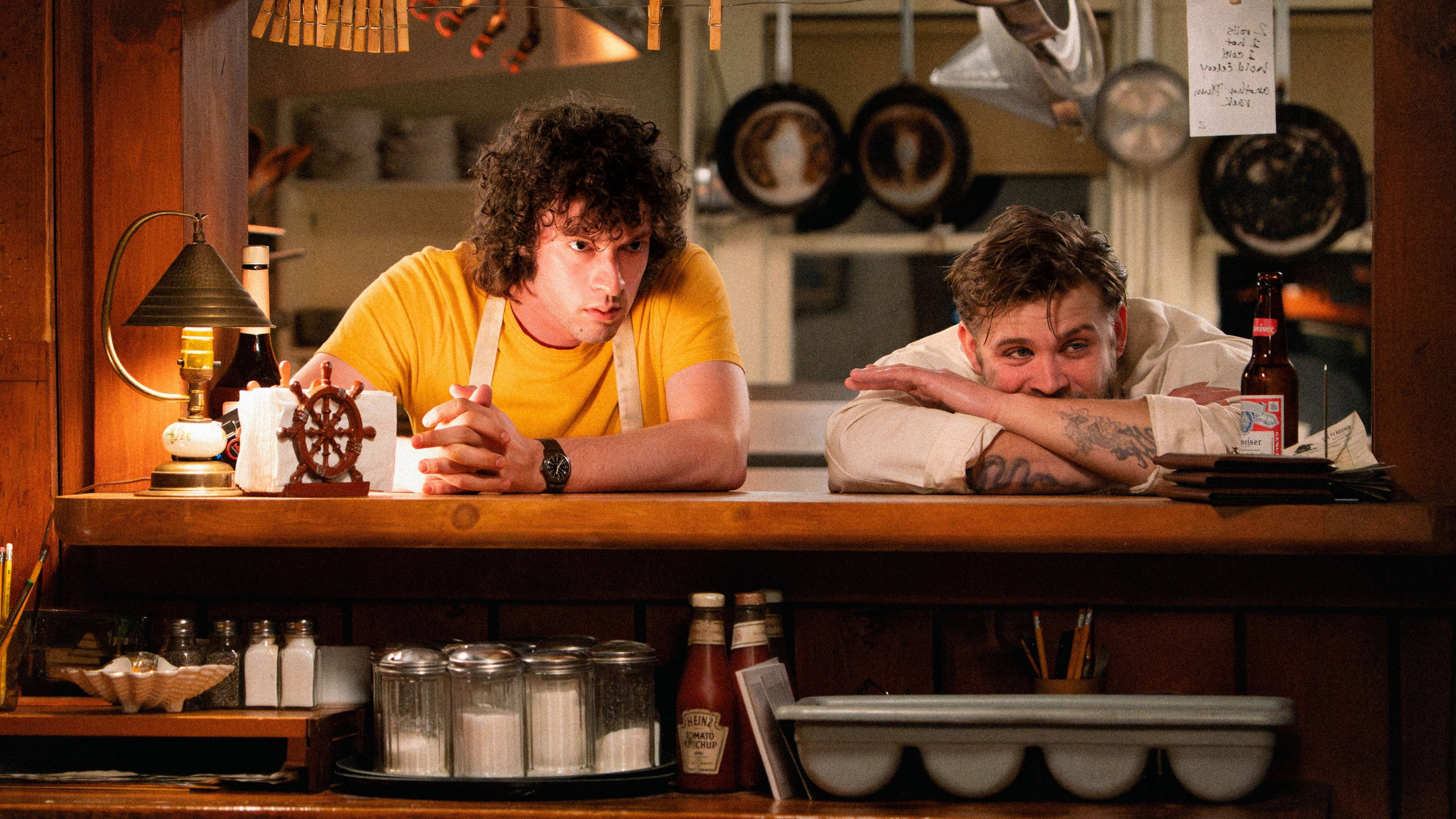
From Culinary Institute of America graduate to itinerant New York City kitchen veteran — eventually assuming an executive chef role at French-brasserie-style Manhattan restaurant Brasserie Les Halles — to beloved media personality best known for television classics Parts Unknown and No Reservations, Anthony Bourdain garnered something of a cult following over the years, and in the time since his death, has seen his status ascend to a point that the American chef, author, and travel documentarian has become nothing short of sacred to many around the world.
It’s no surprise, then, that Hollywood would eventually come calling to adapt the story of this larger than life character for the big screen — as they do with almost all of these kinds of individuals when their time comes. But what should, on paper, be a plug-and-play subgenre readymade for success, actually often makes for works less than satisfying, rarely able to recapture the magic of what made their titular beings so special. But what almost all of these previous efforts didn’t have — 2023s BlackBerry, also directed by Johnson, not only exists but is very good — is Matt Johnson, the director of Tony — Hollywood’s answer to the Anthony Bourdain question.

Anyone familiar with Johnson’s previous work — Nirvanna the Band the Show the Movie, The Dirties, BlackBerry, Operation Avalanche — would’ve been able to tell you headed into Tony that this wasn’t gonna be your average biopic. Johnson is — to be frank — one of the most creative, unique, fascinating, exciting and wholly individual working filmmakers, and might well have been the best available choice to subvert the expectations of what to expect from a biopic placed by those that came before him, and failed to achieve exactly what he has — twice now.
Where BlackBerry — which told the story of the rise and fall of the now discontinued brand of mobile devices — found its creative ‘in’ was through the idea of achieving something great and historically relevant without ever truly gaining the notoriety, fame, or legacy that often comes attached with such a feat. In the curious case of Tony, for Johnson and co., their way of making the story their own was to ignore the years of success and public-facing stardom that endeared Bourdain to the world — or even his eventual tragic death — and instead zone in on one summer that would set Bourdain on the path he would spend the next 40 + years walking. A summer that takes up just a few pages in Bourdain’s 30-chapter memoir, Kitchen Confidential: Adventures in the Culinary Underbelly.
The result is a movie that feels almost like no other and like a million you’ve seen before at the same time: a cozy, romantic, end-of-the-summer, coming-of-age story that could place a smile on the face of a vegan in a slaughterhouse. And yet, whilst it may feel familiar, it isn’t for the reasons you may expect when headed into a movie named after a personality so many will come to theatre with a pre-existing relationship with. In fact, The Holdovers star Dominic Sessa’s portrayal of a 19-year-old Bourdain feels so unrecognisable from the man that millions came to know and love that, until the name Anthony Bourdain is finally uttered in the film’s closing moments, the movie could pass as something totally original. A story of love, ambition, professional insecurity, and being a total idiot as a young person trying to find themselves in the world. A tale as old as time that just so happens to be being told through the eyes of a young Tony aspiring to become Anthony Bourdain.
To be able to take a step back from the glitz and glamour of Bourdain’s career and see the full picture is what separates Johnson’s work in the genre from many of its contemporaries. There’s a genuine, palpable creative energy flowing throughout the film’s 106-minute runtime; a reason to exist beyond profiting off of the dead’s legacy. There’s no playing of the hits, no dangling of keys for those familiar and attached to Bourdain, no box-checking of ‘what comes next’ in Bourdain’s life. It’s contained, it’s funny, it’s romantic, it’s entertaining, it’s purposeful, it’s well-crafted, it’s inspiring, and for those of us who did sit down having logged hours of Bourdain content in their minds over the years, ultimately it was a satisfying portrait of a lesser-explored but equally important period of a hugely impactful individual's life.
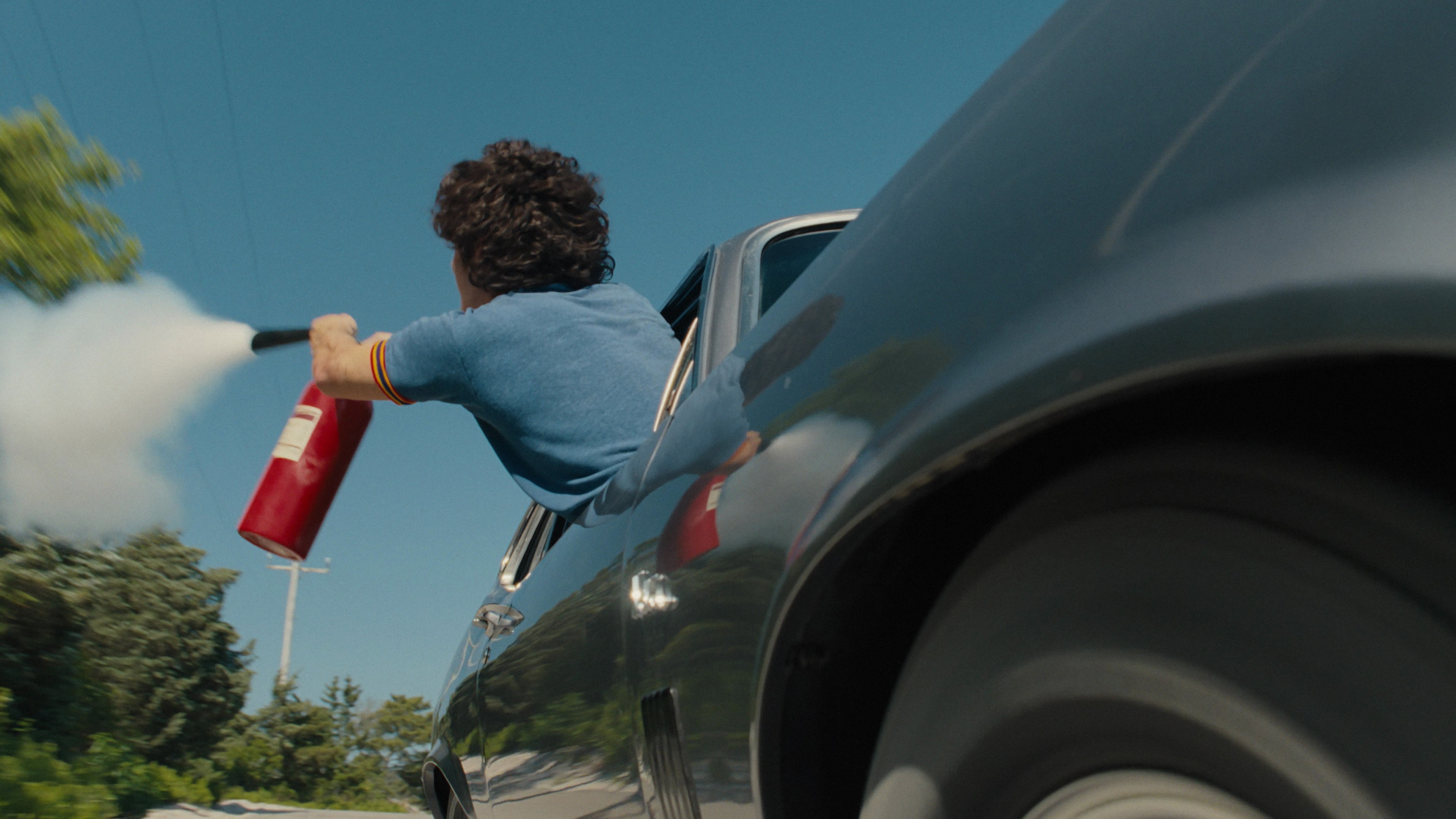
That isn’t to say the movie is absolutely perfect — it’s certainly Johnson’s most ‘normal’ effort yet; his ‘one for them’, so to speak. As where Johnson’s other movies may have headed in one, much weirder, ‘only Matt Johnson would do this direction’, Tony often opts for the safer, more conventional route: what you expect to happen probably will happen, his usual documentary-like snap-zoom filmmaking style is swapped out in favour of more palatable studio filmmaking etc. But what Tony lacks in Johnson-esque humour and madness, it more than makes up for in heart and charm — if this is what an independent filmmaker heading to Hollywood can look like, then I’d be in favour of the Americans paying for a few more of our favourite indie darlings’ work to be produced.
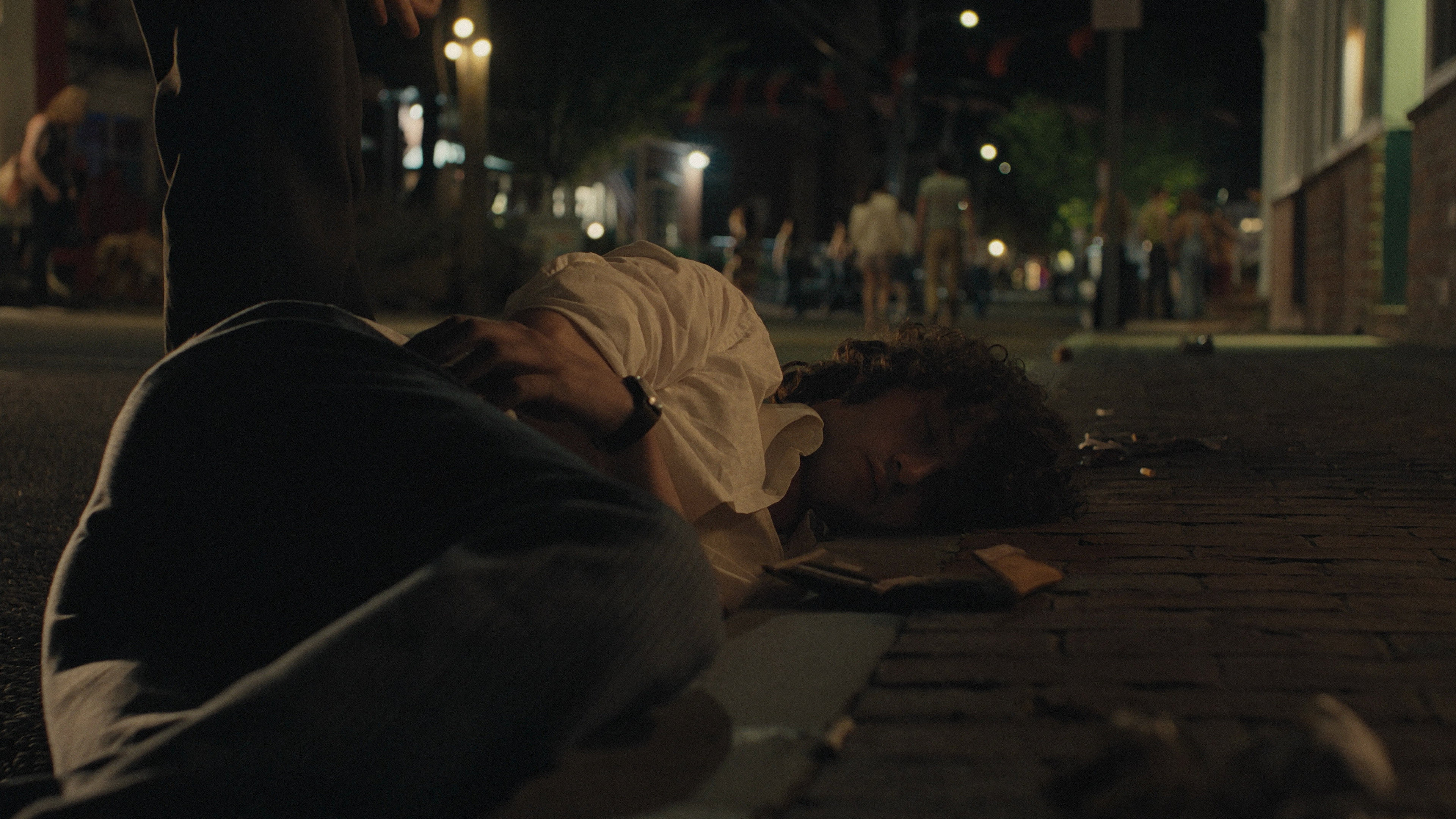
Sessa’s portrayal of a teenage Tony, as previously mentioned, is a wonderfully original take that at no point feels like an impersonation of an unmatchable figure like Bourdain. He isn’t attempting a Bourdain accent or trying to mimic any of his mannerisms or match his likeness in any way; really he’s just that same lovable, awkward, big-haired guy who stole our hearts in The Holdovers a few years ago — and the movie is much better and much more singular for it.
Antonio Banderas’ unnamed chef gives real gravitas and prudence to a film that can be otherwise incredibly (and wonderfully) youthful and chaotic, with Banderas’ angel on Tony’s shoulders representing the type of man, both professionally and personally, that any young aspirant somebody like Tony should look up to.
The Lord of the Rings: The Hunt for Gollum star-to-be, Leo Woodall, might just be the star of the show, however. His performance as Sal — the boisterous, in-your-face arsehole that represents the devil on Tony’s young shoulders — is nothing short of absolutely electric. The movie is never more alive than when he is on screen, that guy is a star.
Emilia Jones, Stavros Halkias, Monica Raymund, and Michael Jibrin make up the rest of the most prominent supporting cast, and all bring their own individual qualities to create the perfect environment for Bourdain to rise.
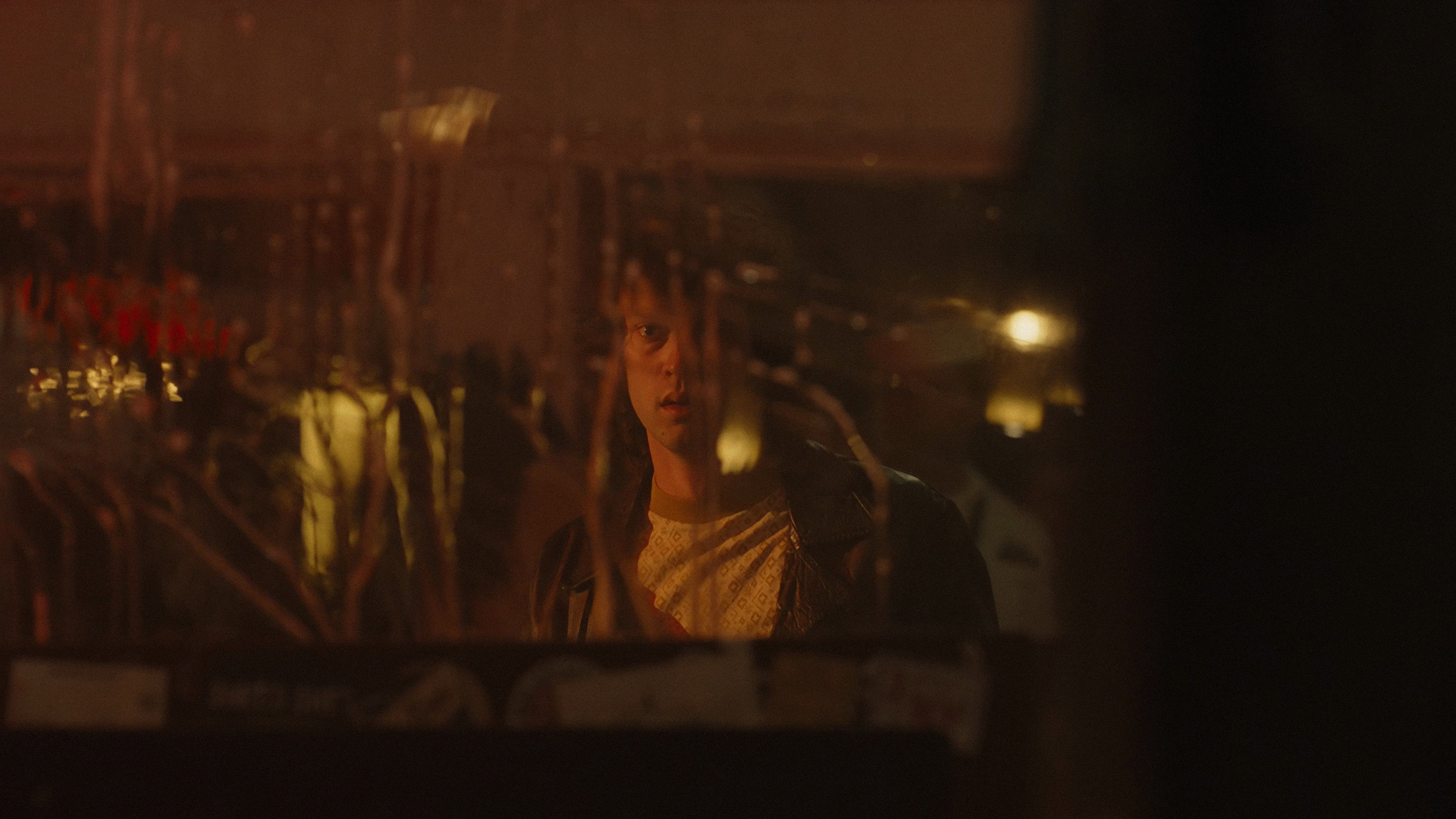
Tony represents a genre reinvention that makes all the changes for the better. In a cinema landscape that’s been subject to recent failures like the creatively absent, disingenuous, music video recreation, dopamine-hitting ‘movie’ that was Michael, and less evil but snooze fest’s nonetheless like Springsteen: Deliver Me from Nowhere, Tony is a very, very welcome addition to the biographical cinematic canon.
It’s hardly as profound as some of the century’s great biographical efforts E.g. Oppenheimer or The Social Network, but it is a worthy and creatively rich coming-of-age tale that stands alone whilst honouring its titular being. Director Johnson, star Sessa, Cinematographer Michael Bauman, composer Jay McCarrol, all of the supporting cast, and everybody else who helped craft this film can feel they did right by Bourdain — all whilst creating a singular piece of art that could be enjoyed by everyone from the biggest Bourdain fan in the world to somebody hearing his name for the first time at the climax of this story.
Johnson wins again.