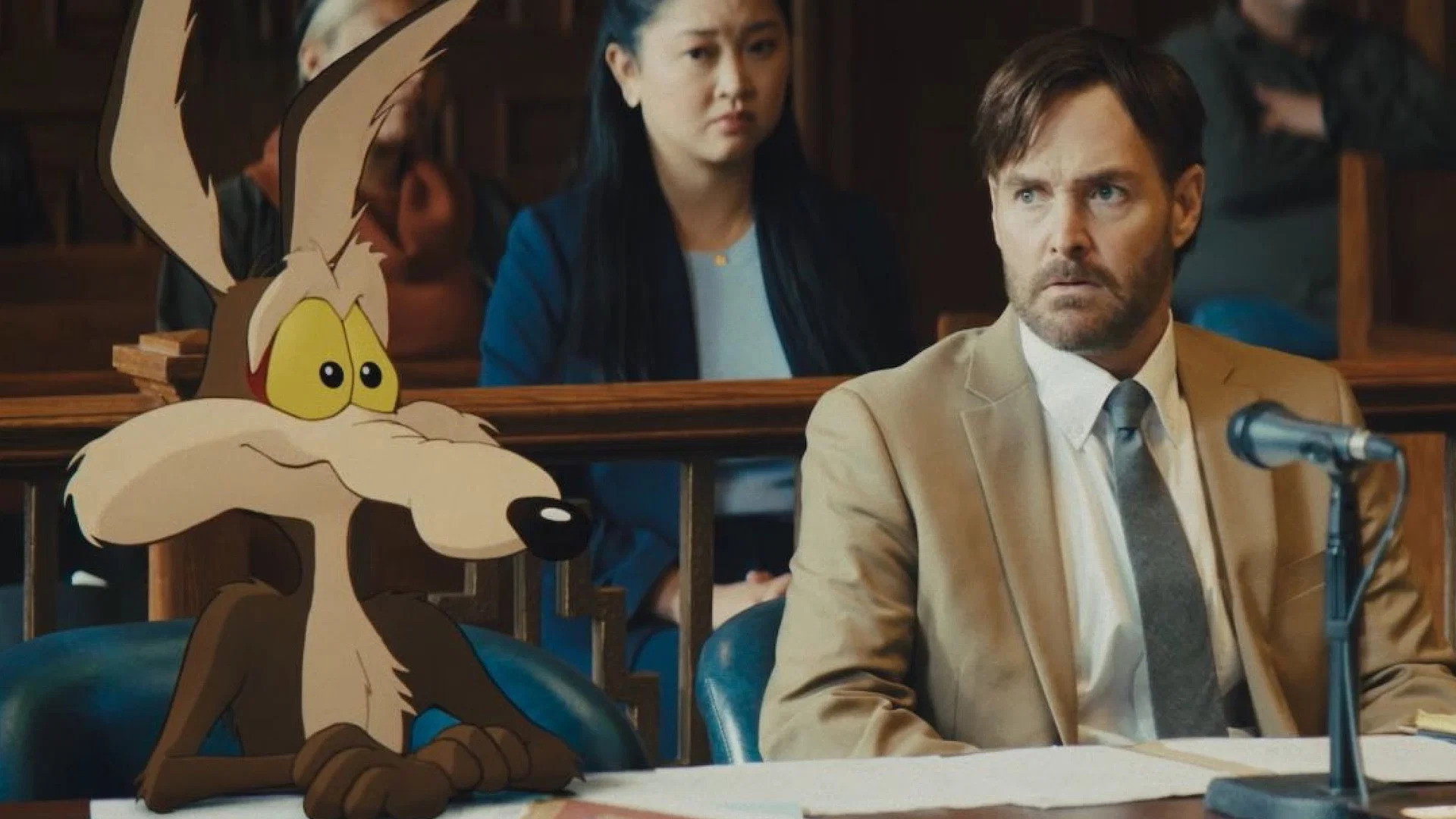
Coyote vs. Acme has had a truly admirable story, in its conception. In November 2023, Warner Bros. shelved this live-action animation hybrid indefinitely as a tax write-off. This caused a mass of public and industry backlash, showing that the studio cares infinitely more about their bottom line than their filmmakers or even audiences. Warner Bros. eventually allowed the filmmakers to shop the movie to other buyers, whose worldwide rights landed in the hands of Ketchup Entertainment.
The release of this movie has been hailed as a slap in Warner Bros’. face, and the eventual love it’s been receiving, even before its release, showed just how much audiences care about this art form. While Coyote vs. Acme is, in no way, perfect, I hope for all the best for the newest Looney Tunes outing.
These are characters who have been sorely missed — at least in a live-action world — and this returns to the whimsy and fun that movies like Who Framed Roger Rabbit and Looney Tunes: Back in Action gifted to us over twenty years ago; at least most of it. While Coyote vs. Acme focuses much more on the human characters of this world, it creates an interesting enough legal comedy with a good amount of classic, slapstick Looney Tunes humour — and that’s all it really needs to serve.
Will Forte and John Cena are able to blend into this world in such an unreplicable way, I fully believe that they are the only two who could’ve possibly played these roles as well as they did. Both of them manage to strike a perfect balance between being the straight man of this story, while also lifting up many of the much more strongly comedic moments. They throw themselves into these roles so completely that they’re almost unrecognisable by the end, without devolving into too much chaos in between this cast of wacky cartoon characters.
In a world that revolves around cartoon physics, you create a very slippery slope into writing a nonsensical script that prioritises classic cartoon tropes — anvils falling on people’s heads, pulling comically large mallets out of their pockets, running through painted tunnels — over any actual story. Thankfully, this isn’t a problem here, though it can often feel like a double-edged sword.

Unfortunately, this does have quite a few negatives, though it’s important to note that many of these felt unimportant while watching and hardly ever fault the movie in much of a noticeable way. First, a few of the classic Looney Tunescharacters felt somewhat forced into this and are only present for a few seconds, simply to show their face — namely Bugs Bunny’s cameo. Bugs had very little importance to this story, as he showed the gang to a lead that went nowhere, and was only present for a single scene.
It seemed to me like the writers felt as if they almost weren’t allowed to make a Looney Tunes movie without showing Bugs Bunny, at least for a moment. This just belittled the impact of characters like Daffy Duck and Tweetie Bird, who are arguably just as primary characters, even if they aren’t who you think of immediately. This is like if Mickey Mouse made a cameo in A Goofy Movie, there’s simply no need.
Another problem I had with this was that it never uses its cartoon physics to their full potential, hence the double-edge sword that I mentioned earlier. Usually, this world takes full advantage of its nonsensical physics — namely in Who Framed Roger Rabbit — as silly gags or plot devices, hanging around for a very limited amount of time. They may use a painting of a tunnel to get away from a chase or delay gravity for a moment after attempting an escape, though Coyote vs. Acme uses these tropes in a way that extends them beyond what they should be. A painted tunnel becomes a magical paint can which creates a door to possibly a different world, extending this gag into something that’s no longer funny.
Not only does this extend these gags, they take up much more space and time in this story that they end up becoming few and far between, making this much more of a human story than a hybrid, which should arguably call for the Looney Tunesthemselves to take the main stage. Somehow this made the Looney Tunes secondary in this story, simply by having more than just one foot in the real world.
This story seemed to hit a bump in the road around the middle of the second act, and stagnated there for a while — at least longer than they should have. Much of this was taken up by looking for evidence and finding nothing, which was fun at first but just got boring after the fifth or so time. Throughout, we see Kevin working on this case, but what leads is he working on? This only ended up picking up its pace around the end, in which it felt like the writers room realised they were nearing the final courtroom sequence with nothing to show. They ended up mustering something up in about ten minutes after meandering aimlessly for the last fifty, causing anything just before that finale to feel quite rushed.
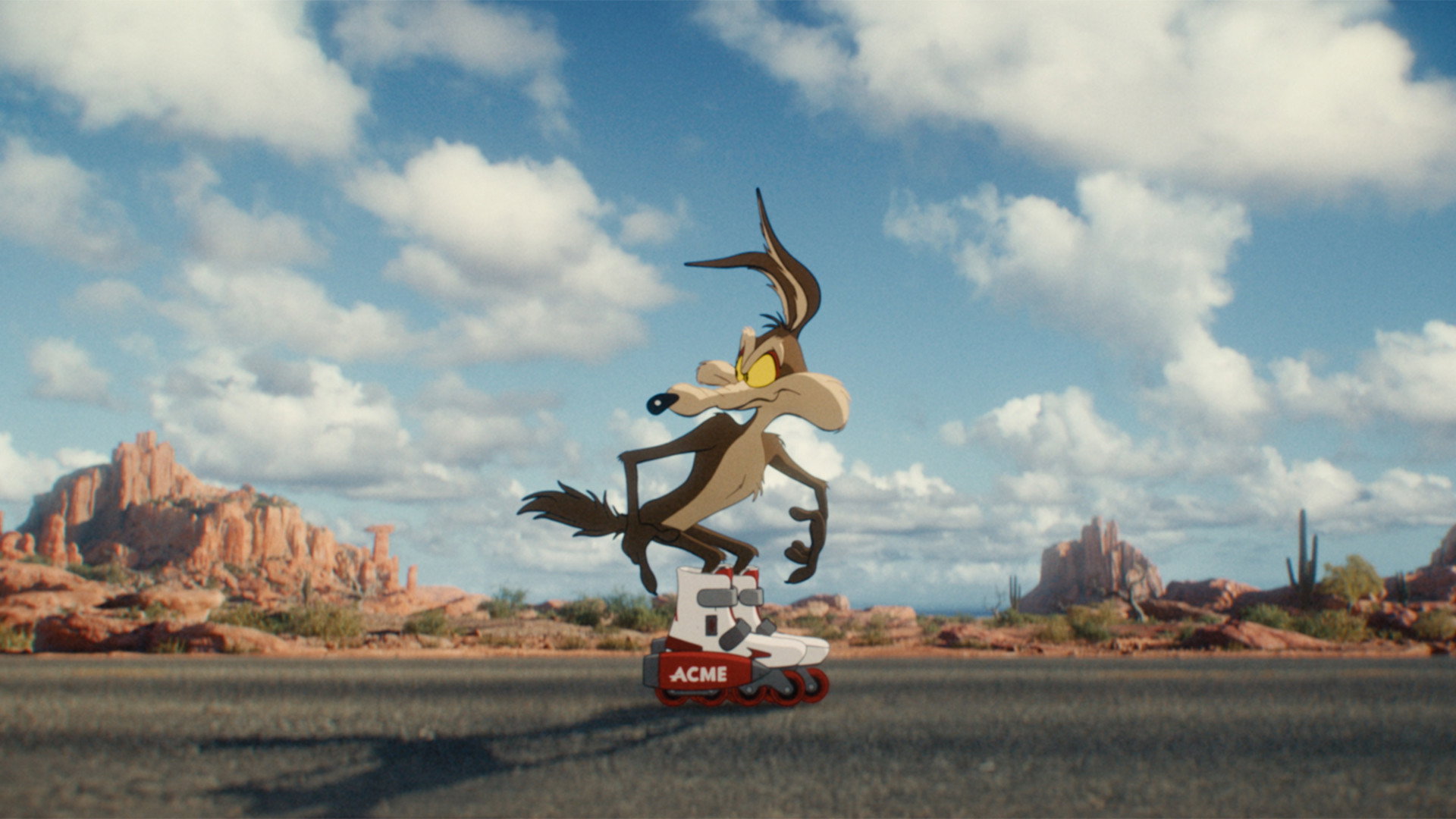
For all my complaining, I really did enjoy this movie, and that’s really all that matters. The jokes land when they come, the Looney Tunes are mixed into this world in the most faithful way, and it leaves me in a satisfied and optimistic mood. However, Coyote vs. Acme isn’t even really a movie, on its own, this is a statement. The story of how this was eventually shown to public eyes after almost being lost to the abyss — just like the late Batgirl movie — is an amazing stand against corporate greed.
This would have inevitably happened to some movie at some point, and I feel as if Coyote vs. Acme is the perfect dummy, as it ironically carries the same morals as its conception story. This is a story of perseverance and rising up against corruption and corporate greed, exactly what Ketchup Entertainment bestowed upon us. As an audience, we’re now able to vote with our wallets and support this as much as possible in a fight against Warner Bros., accentuating this movie’s story in the process. Please watch this movie, support it all you’re willing to, and show WB that art — especially the Looney Tunes — is more important than their bottom line.