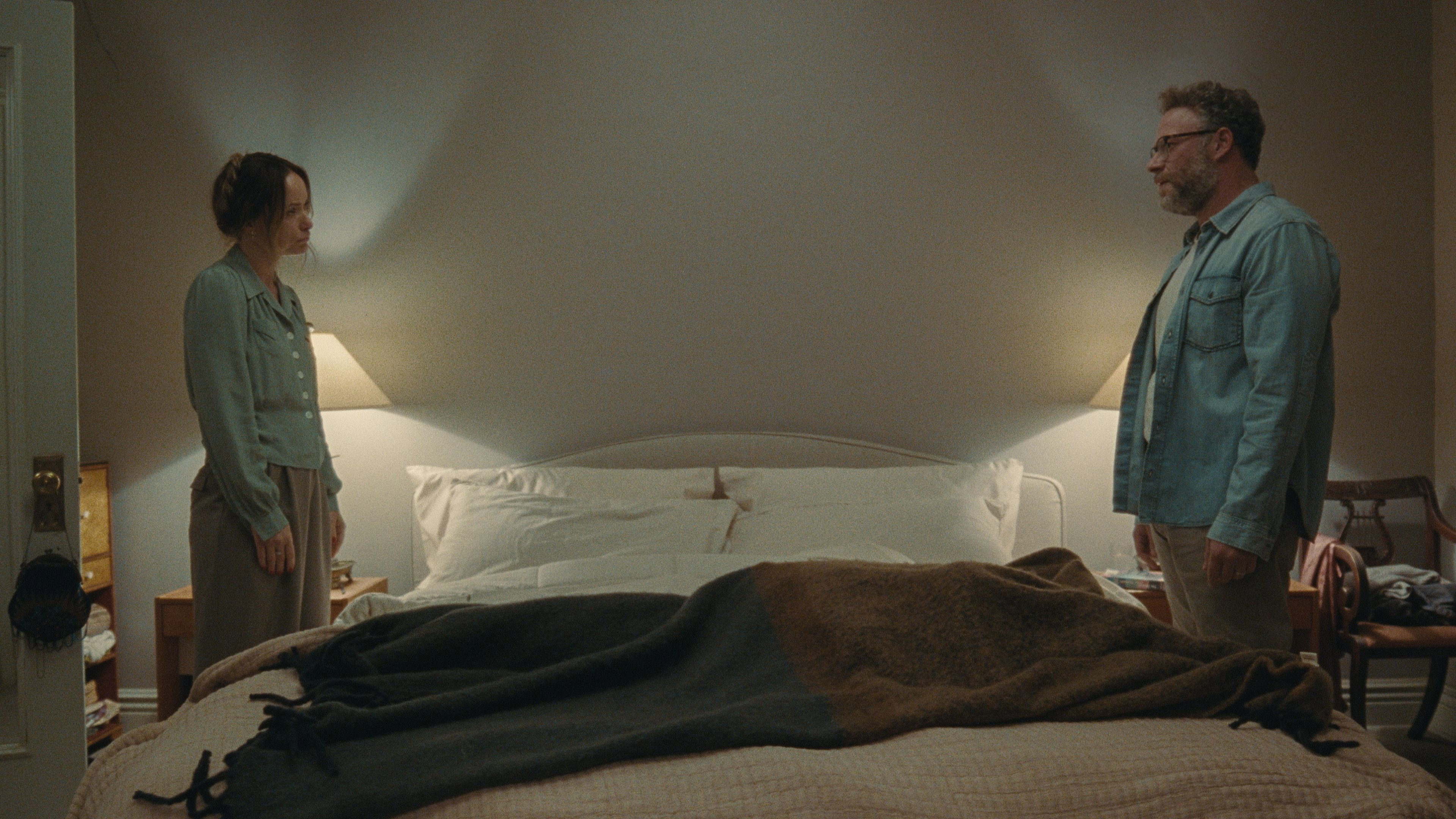
One summer, a friend of mine asked me if I wanted to go to the cinema with her. I remember liking the message before I’d even properly taken in the title. Kinds of Kindness. I’d skimmed it so quickly that, in the hours leading up to it, I was calling it the “kind of” movie in my head. I had seen no marketing for it and had no idea it was a Yorgos Lanthimos film, who, at the time, I only knew as the guy that made Poor Things.
Kinds of Kindness is three separate stories portrayed by the same actors. When the first story ended and everyone suddenly had completely different names, we were somewhere else, watching a completely different plot. I was so confused that I am almost laughing as I write this, because I can only imagine what my face looked like in the dark. It may sound dramatic, but it is the kind of emotion you get déjà vu over. Since then, I’ve walked into seminars, heard someone speak, and thought to myself, “Wow, I have absolutely no idea what they’re saying. It feels just like that time I watched Kinds of Kindness.” I did not find the film phenomenal. But that memory has stayed with me.
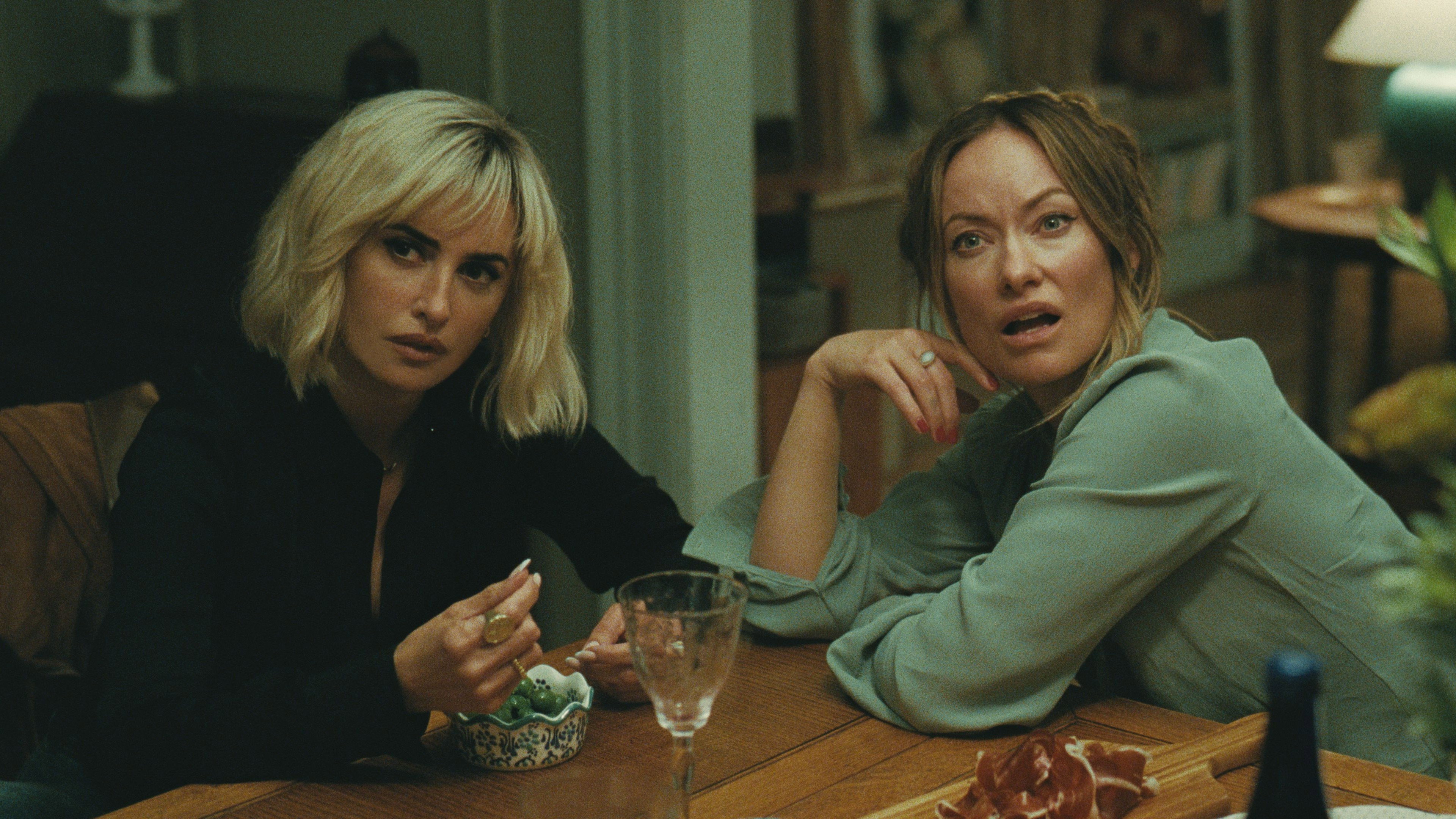
This evening, I watched Olivia Wilde’s new film, The Invite. I was skeptical. I was not particularly pleased by Don’t Worry Darling, and I too often associate Olivia Wilde with the medical drama House (negative). But, similarly to the author of a Letterboxd review I have just read, I too believe Olivia Wilde has indeed been released from director jail. This was one of the best comedies I’ve seen in a while. The performances are some of the best I’ve seen in 2026, with Seth Rogen, Penélope Cruz, Edward Norton and Wilde all giving incredible performances. The script is genuinely entertaining, with a slight, sweet resemblance to Fleabag. I really hate saying this because it feels like the kind of thing you are obligated to say about a film you enjoyed, but it made me feel like I was actually in the room with them.
The film opens on a black screen with the quote: “One should always be in love. That is the reason one should never marry.” — Oscar Wilde. I hate to admit that I judged a book by its cover (or a film by its opening title card?) but seeing that quote immediately had me rolling my eyes. I decided that, from that point onwards, whenever I felt an inexplicable irritation, I would silently tell myself, “Wow, this is so annoying. It feels just like that time I watched The Invite.”
The reason for my irritation was that the only thing I knew about the film came from a Google search I had made during the trailers: “Is The Invite a rom-com?” The results seemed undecided. Some described it as a romantic comedy; others called it a “comedy-drama about marriage.” I had somehow concluded that this disagreement existed because, apparently, if something is about marriage, it cannot possibly be romantic. It was almost funny, then, to have this assumption confirmed within the first few minutes. The film is, ultimately, about a miserable couple — in their own words — and while it explores that misery phenomenally well, I found myself increasingly interested in why this is such a familiar premise in the first place.
I tried to think of the last time I had seen a romantic, healthy marriage in a film where we meet the couple as already married, rather than watching them pursue one another. I could only think of the nuclear family situation, where the couple are introduced as parents before they are introduced as people in love, and their happy marriage seems to be part of the criteria for what makes them good parents.
Even then, it is often a plot device that whatever problem their child encounters ultimately tests their marriage. Because it is incredibly anxiety-inducing for the viewer for a marriage to be tested. How tragic. They may never experience happiness again.
Alternatively, there is the sweet old couple whose love is held up by the entire film as some kind of miracle because they have somehow managed to remain married for forty years. Everyone around them seems amazed. Even in rom-coms, it is surprisingly common to see an older married couple rediscover their relationship by watching a younger couple actively pursuing one another and asking, “Remember when we used to be like that?”
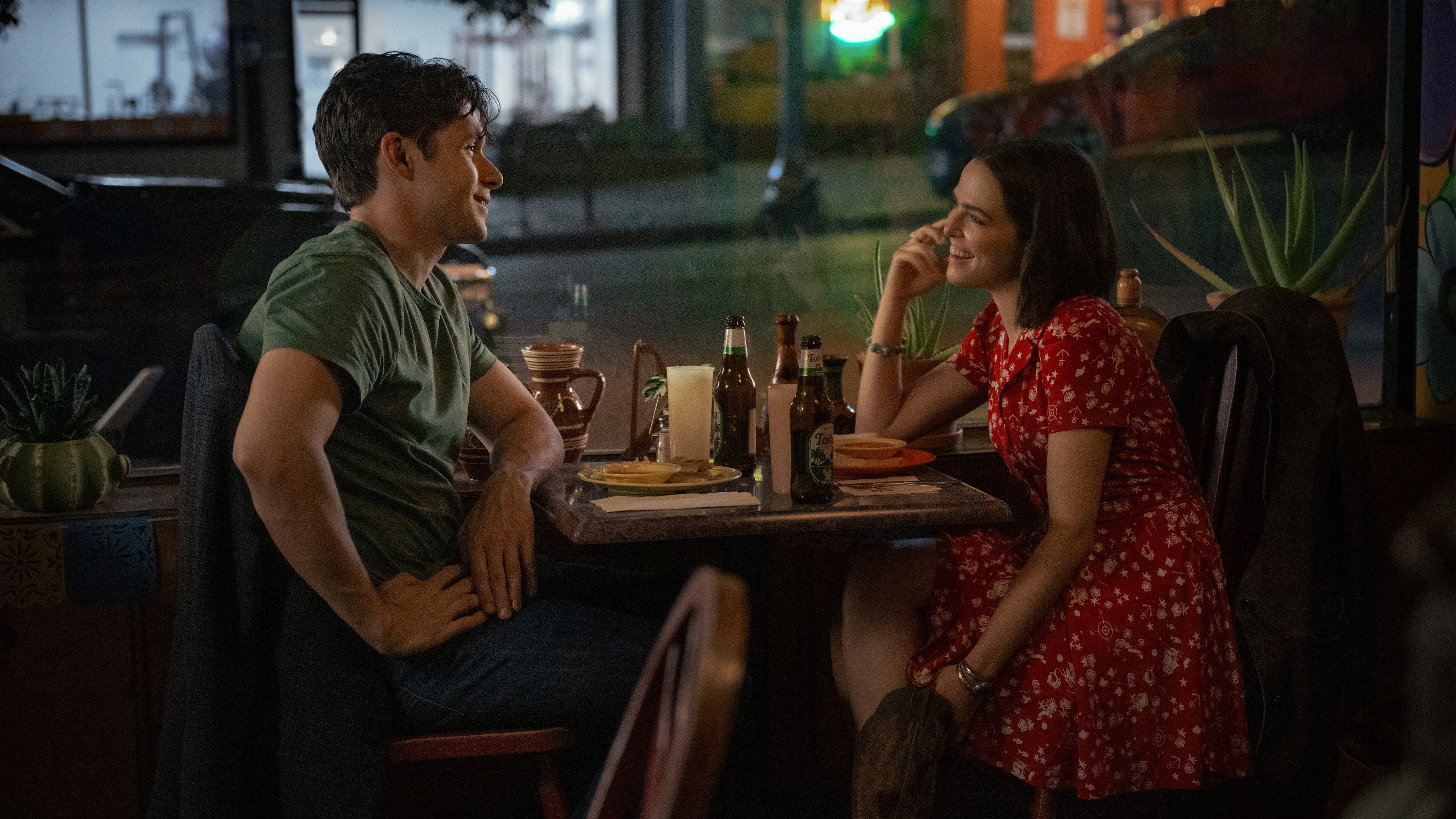
It is interesting because the media is, in many ways, an echo of the anxieties of the society that produces it. And there are increasingly more films and television shows acknowledging the particular anxieties people now face when dating. In Voicemails for Isabelle, which came out on Netflix in June. The main character, Jill, experiences the familiar problems of dating apps, the men she meets through them, and the increasingly bad dates. She does eventually get her dream romance, which feels almost like the film turning to the viewer and saying: See? She had all the problems you have, and she still got the guy. It can happen to you too.
That is perhaps why it feels strange that, at the same time, so many films seem to be telling young people that they are running out of time. Time to establish a career. Time to become attractive, successful and desirable. And, perhaps most persistently, time to find someone. We turn to films for comfort, particularly when we are anxious about the things they are showing us. So it is quite depressing that Hollywood seems to keep constructing romance around this feeling of scarcity. You are running out of time to find a partner, but once you find one, you are apparently also running out of time before the relationship becomes stale, resentful and soulless. If you are single, you watch films to experience romance. If you are married, you watch films to experience romance again. There is always an end goal: the career, the relationship, the house, the success, the person. But once you reach it, the story ends with dissatisfaction, so the goal is, the pursuit? And yet, during this, we’re still feeling lack? In either situation you are left feeling behind.
There have been enough arguments about how relationships should not be a milestone in life to strive for nor to be celebrated and people — too often women — are pushed into this being a primary goal for them — so much in fact that this is not the route i will go down with this point nor do I completely agree with the take. It is normal and natural for humans (social creatures) to want human connection and this does not label them as devoid of self-worth in my opinion. There is nothing inherently feminist about pretending not to want love.
This idea is increasingly being explored in contemporary romance as feminist ideas make their way more explicitly into cinema. But I wonder whether, in trying to correct one problem, we have created another. A woman declares her independence and success, and it is often framed as the positive opposite of a romance she could not have. Her previous desire, her yearning, is something embarrassing that she has successfully overcome. A man’s yearning, however, is often treated quite differently. His embarrassing attempts to impress a woman are “cheesy”, perhaps, but also vulnerable and romantic. His persistence becomes evidence of sincerity. He is praised for pursuing her, and his willingness to look foolish becomes part of what makes his eventual success meaningful. Like most feminist issues, this also ends up harming men.
“Playing the long game” is often marketed towards male audiences, which can ultimately romanticise rejection by turning it into a necessary stepping stone towards love. For men who are simultaneously becoming more conscious of boundaries, consent, and how not to be a creep, I can understand why the distinction becomes confusing. Letterboxd comments will say “may this love attack me” when the character has just ignored a woman telling him to leave her alone, run through an airport after her, or stood outside her workplace in the rain waiting for her. So which one is it? We tell men to respect women’s boundaries, but we also repeatedly present the violation of those boundaries as romantic when the audience knows the man is “the right one”. We tell women not to measure their worth through male attention, but then repeatedly structure stories around the emotional reward of finally being chosen. We tell everyone that relationships are not the goal, while continuing to make the pursuit of one the central narrative of so many stories.
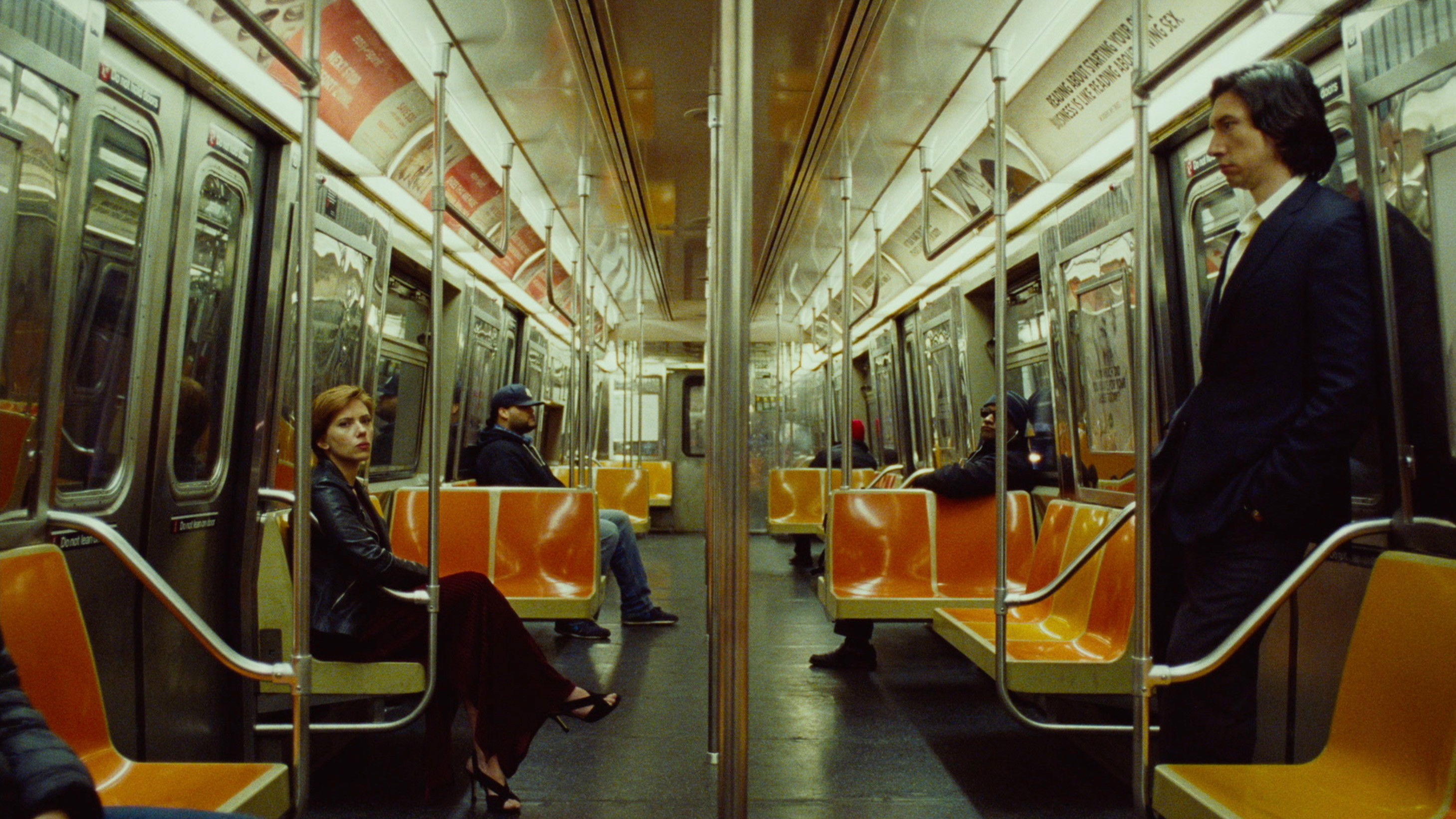
Perhaps this is because cinema is simply better at depicting pursuit than contentment. Pursuit gives a story somewhere to go. It has obstacles, tension, uncertainty and a clear ending. A relationship that is already happy is much harder to turn into a conventional narrative. Conflict is cinematic; contentment is not always. And perhaps that is why marriage is so often displayed as the beginning of where romance ends. Once the couple has chosen each other, the film needs to find a new reason for us to keep watching. Suddenly the marriage is failing, one of them is unhappy, they have forgotten how to communicate, or they need to rediscover the people they were before they became a couple. I think this is a waste of potential stories. What if a marriage could be happy without being perfect, difficult without being doomed, ordinary without being a failure?
I suppose this is what I found myself thinking about after The Invite. I went into the film expecting another story about a miserable marriage and came out wondering why we seem to have so few stories about good ones. Despite everything I’ve said, I really do recommend this film. For reasons I can’t explain without venturing into spoiler territory, I genuinely think it was a step in the right direction for romances.