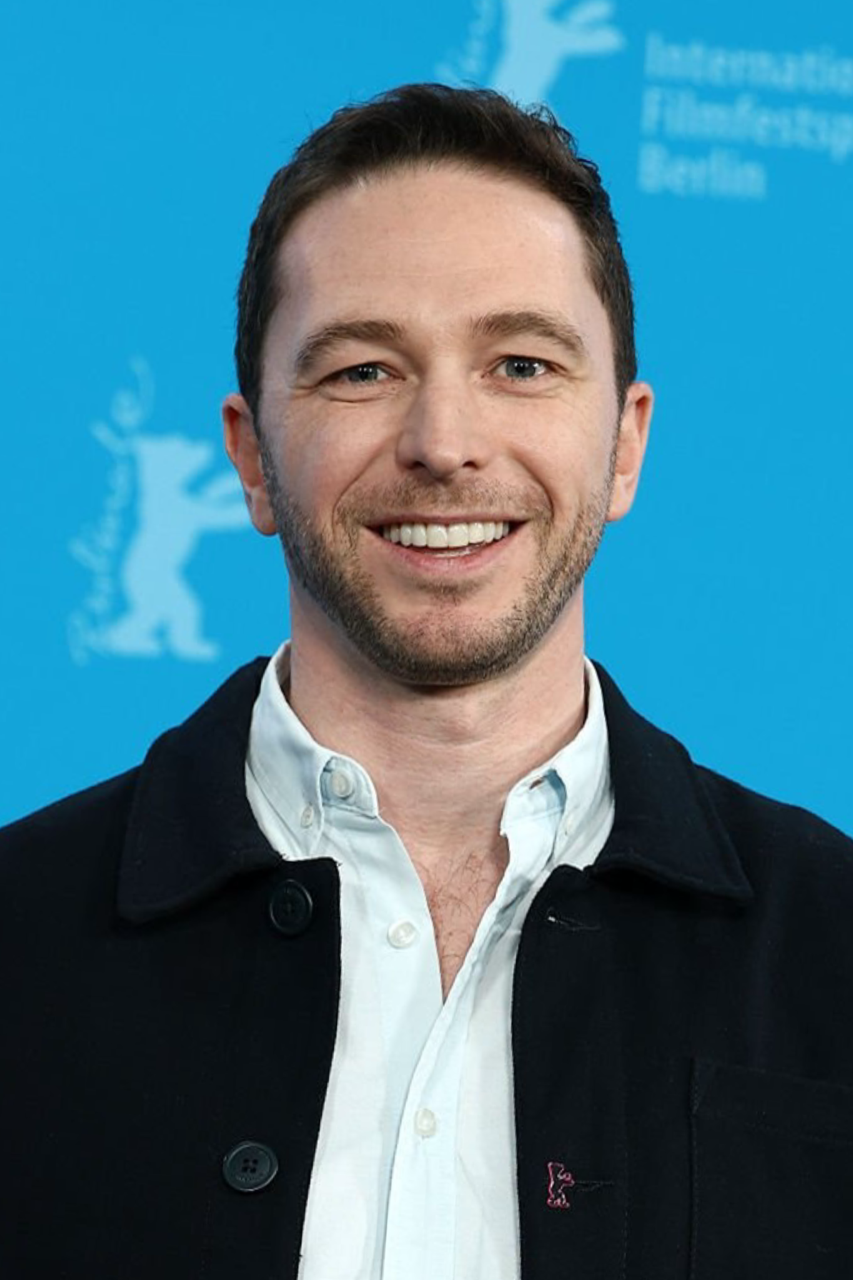
“We just got two BIFA nominations this morning,” producer Ken Petrie told me as our call began. “Great way to wake up.”
Director George Jaques’ latest feature, "Sunny Dancer", has received two British Independent Film Awards nominations, for Best Ensemble Performance and Best Music Supervision.
The film follows Ivy (Bella Ramsey), a teenager in remission who is sent, reluctantly, to a summer camp for young people affected by cancer. Throughout the warm and quirky 106 minutes, we see familiar teenage anxieties complicated by a life-altering disease.
The dark cloud of cancer is still there, but over the camp it hangs a little lighter, and it weighs on these kids a little less. The film’s atmosphere is young and messy in the best way possible, with the cast’s natural chemistry and the characters’ personalities sweetly drawn out.
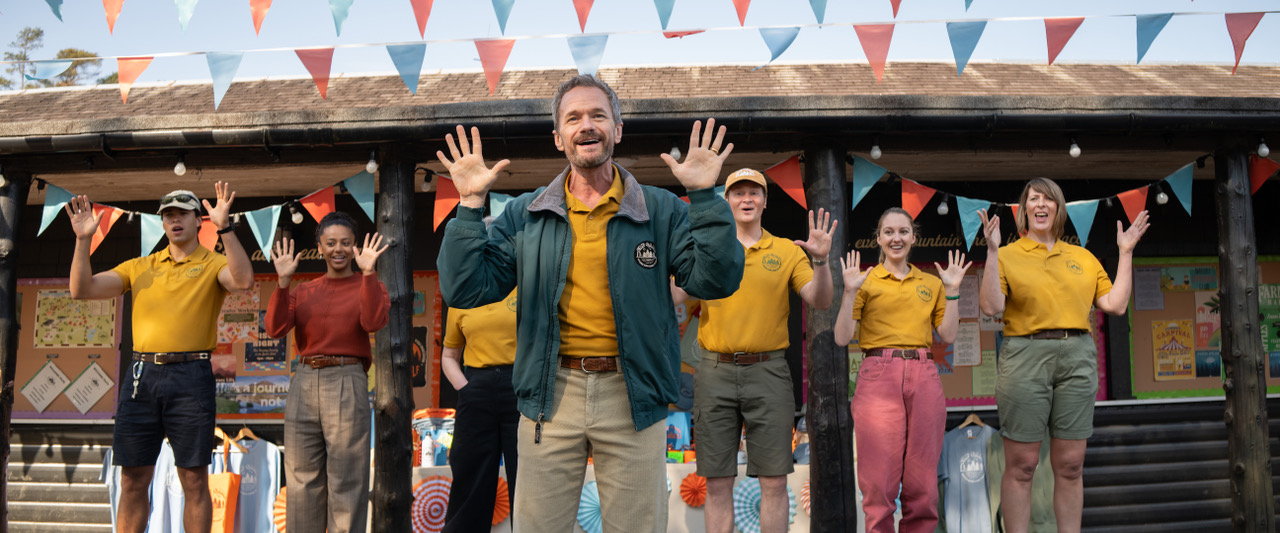
Image: "Sunny Dancer". Photograph: Embankment Films
Behind its success lies a producer’s long-term commitment. When we’re considering creating something, involving ourselves with a new project, how much time are we willing to commit to it?
For Ken, who produced both "Black Dog" (2023) and "Sunny Dancer" (2026), involvement with a film can stretch across decades. In our conversation, we talked through the work that makes a film possible, from planning and financing to dealing with distribution.
Before founding 27 Ten Productions, Ken worked as a special effects technician and explosives engineer on large studio films. Yet he spoke of a desire to take on a different role in the process. “I had a desire to sort of be more at the coalface, I suppose, and more kind of integrally involved in projects, the genesis of a project, the development of a project, structuring it, putting together and pulling all the kind of creative parts and pragmatic parts together. I set up my company to back myself and see if I could do it. And the proof is in the pudding, I think.”
Running a company means choosing, again and again, what to commit to. There’s no shortage of ideas for new projects in the film industry. How do you decide which ones to pursue? I was curious whether Ken looked for particular qualities in a project or whether the decision began with trusting his gut. For him, it begins with something not so easily explained: “I think it’s really when you know, you know. […] I don’t think there’s an exact science to it. I wish I knew how to find the same ingredients every time. But I think that’s part of the excitement is that an idea will stand out and I’ll start putting my energy into it.”
Dealing with the business and more formal aspects doesn’t mean his personal connection to a project matters any less. “I’m not the biggest horror person, so I don’t tend to be kind of drawn towards horror stories. But saying that, I hear all sorts of pitches, and I get pitched horror. […] sometimes I find I love the idea, I love the team. And then it just comes down to, do I have bandwidth for it, or in my sort of list of priority projects, where would it fit? And I don’t ever want to waste anyone’s time. Sometimes it can be a reluctant pass.”
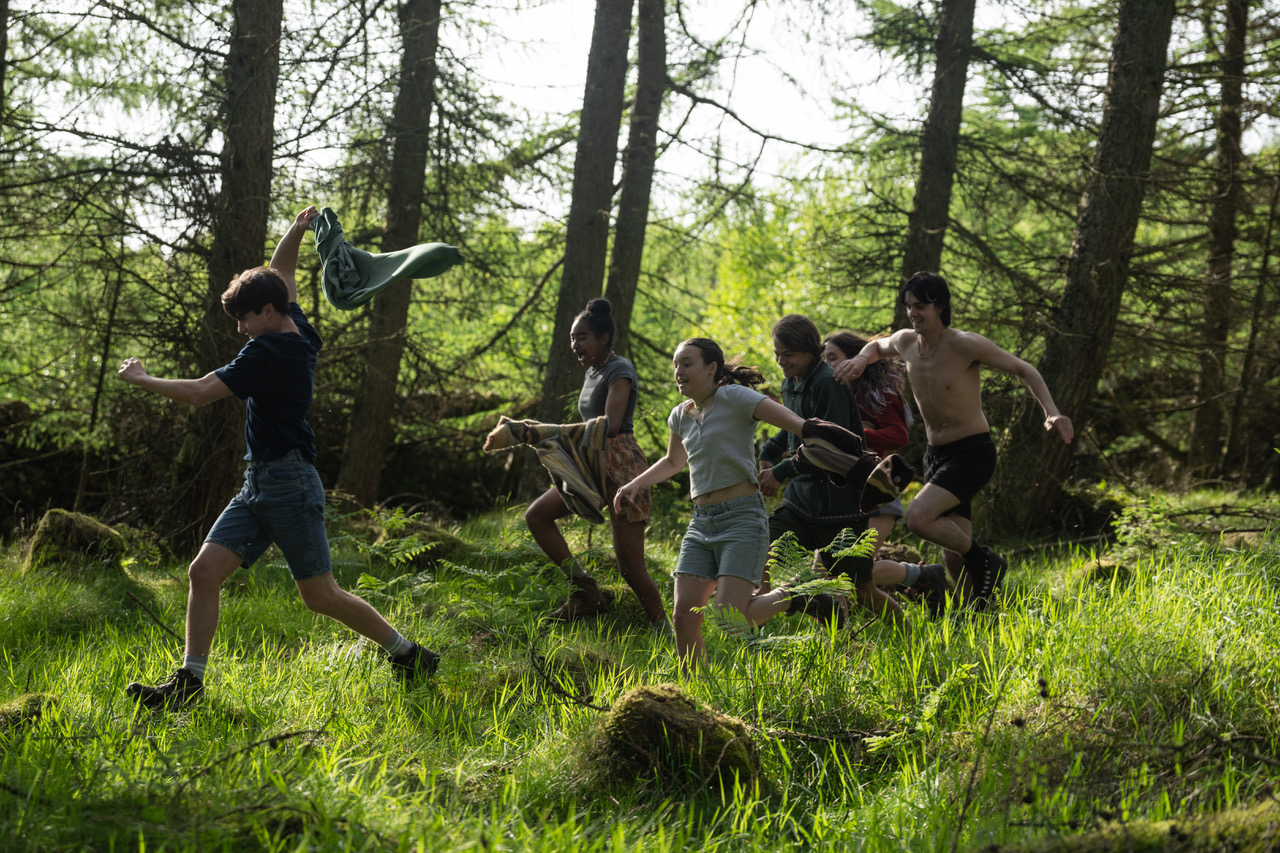 Image: "Sunny Dancer". Photograph: Embankment Films
Ken explained that a story needs to offer audiences something they recognise. “I think inevitably there has to be a bit of familiarity for the audience. [...] But equally, we don’t want to be making the same thing over and over again.”
But choosing the idea is only half of it. For Ken, the people you enter a project with are just as important as the story that’s behind it. His work as a producer includes an ongoing collaboration with actor and director George Jaques. Ken recalls meeting him when George was about eighteen. “I’d produced his debut feature, "Black Dog", and we’d done some short films with him earlier in his career. I’d made some features by that point, so it was about trying to help him develop as a director. […] By the time we made "Sunny Dancer", he was 24. So for me, it was about this close collaboration as much as anything. And working with talented people who you enjoy spending time with, I think, is the kind of winning combination.”
Alongside talent, Ken looks for a collaborative nature and confidence that people will deliver what they promise. Shared priorities matter to him, too. “When I commit to a project, you get 100% from me, and I expect 100% from my partners, ultimately. […] So I think just being on that same wavelength is so important.”
I’ve often encountered the idea that making something happen, especially in the arts, depends on being in the right place. So I was very curious to know how Ken’s working life had changed since moving back from London to Edinburgh, and how much living away from a major industry centre shaped his decisions and opportunities.
He explained that, although there’s less room for spontaneous coffee meetings or a last-minute appointment, regular trips help him stay connected. “I think it just takes a little bit more organisation. […] The Zoom culture and the online meeting culture has made that easier. And I think even people who are full-time based in London meeting other people who are full-time based in London are doing Zoom meetings, because it’s just more convenient.”
Ken still values the serendipity of heading out somewhere and bumping into a friend who introduces you to someone new, someone who could be perfect to work with. But that doesn’t mean it has to happen solely in a place with all the glitz and glam we associate with major film centres. “A decade ago, it was maybe, God, I’ve got to move to London. And I don’t think that’s the case anymore. […] the kind of diversity of stories that are coming out, because people are staying in the nations and regions, I think is healthy. And I think it gives a fresh perspective, because if everybody lives on the Victoria line and the Central line and the Bakerloo line, then you’re probably going to be influenced by the same thing.”
And in his case, Scotland has its own pull. “I’m working with two writers who are both Edinburgh-based as well. […] Scotland’s got a great industry. There’s lots of amazing collaborators on my doorstep.”
But sometimes glitz and glam have their place, and for "Sunny Dancer", that place was Cannes. When I asked Ken how the release strategy was developed, he went back two years before the film’s release: “We had taken the script and Bella as an attachment and George to Cannes 2024. So we’ve done a whole bunch of pre-sales, which essentially funded the production budget. So by the time we did the financial closing, I think we had something like 17 or 18 distribution partners on board already. And that covered a lot of the key markets in terms of the UK and Ireland, Germany, France, Italy, Spain, Latin America, some of the Middle East, some of the Far East.”
By selling distribution rights before filming, the team secured both funding and partners who knew how to reach audiences in their own markets. For Ken, that local expertise was something to trust. “I’m a big believer that experts are experts for a reason. So you just kind of trust them, empower them, try to give them all the materials they need to access the audience and start promoting the movie.”
And even once the money is secured and the film is finished, the work isn’t over. When we discussed how long that commitment could last, Ken explained: “What’s the shortest timeline on a film production? Maybe like two to three years. And then you’re doing distribution agreements that are a quarter of a century, 25 years. […] As a producer, I’ve got to make sure we’re servicing the agreements […] and we’re making sure that everybody else’s contractual obligations have been fulfilled as well as our own.”
Everything Ken described – the pitches, the pre-sales, the obligations that outlast a release – served the same purpose. “All my pragmatic thinking is always trying to lead into the creative to give it the strongest possible life.”
Like the framework of a building, that support often remains out of sight, but it’s what allows the creative work to take shape.