Short films are where cinema began. The oldest surviving film, Roundhay Garden Scene (1888), is just 2.11 seconds long, shot on Kodak paper roll film. In many ways, I would argue that short films are also where cinema continues to reinvent itself. New styles, new ideas, and new voices often emerge without the safety net of massive budgets or studio expectations. Their limitations become their greatest strength. With so little time, every scene has to matter; the story must be simple, but it also has to feel necessary. That pressure creates a level of artistic concentration that we rarely see in feature-length films. Nowhere is this more obvious than in horror.
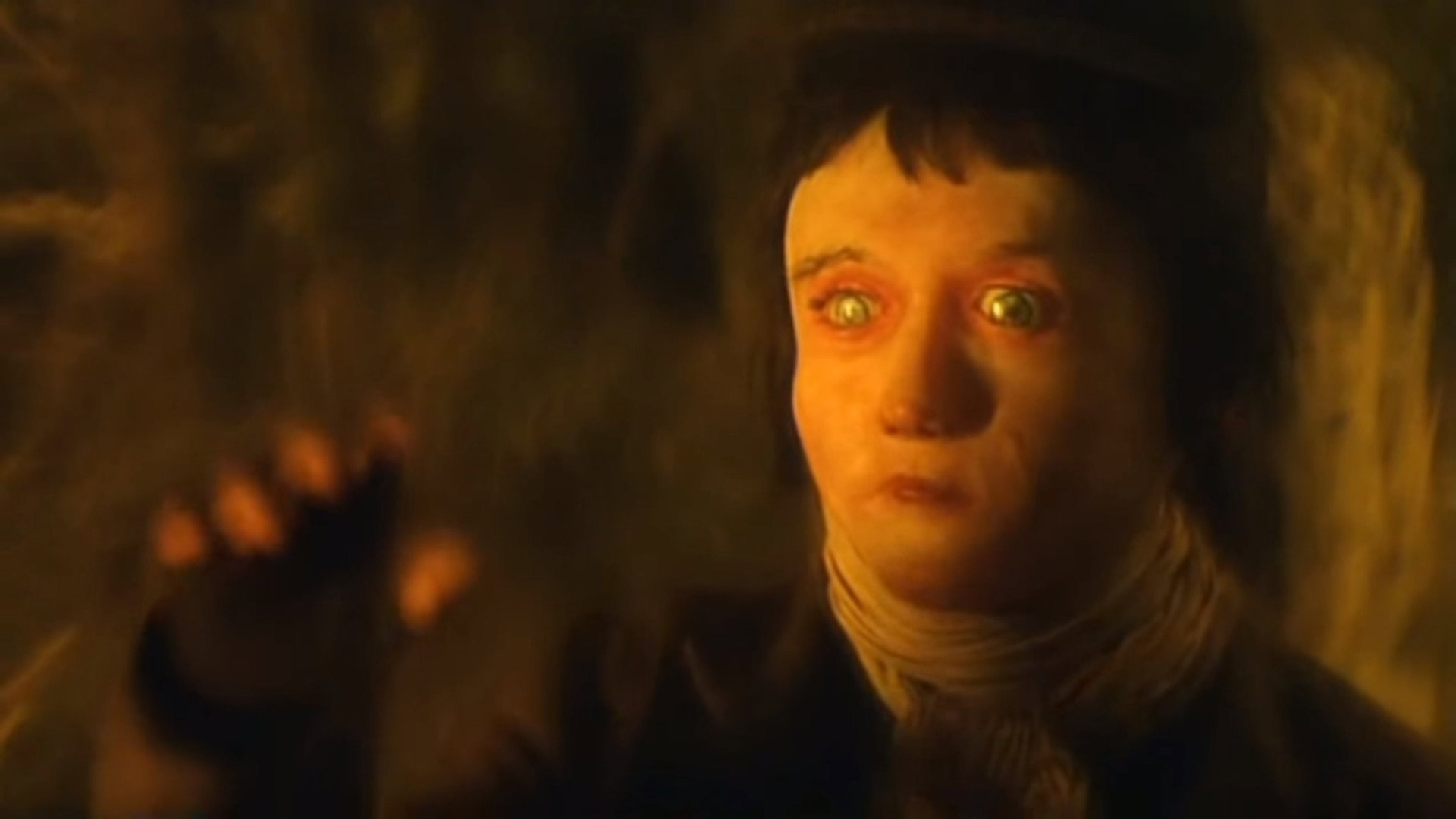
After watching the recent horror film, Obsession, I was left with a strange feeling I couldn’t quite place. It was an oddly familiar uneasiness. It reminded me of a horror short I had watched years earlier on YouTube called The Cat with Hands. I don’t usually come away from horror films with that particular feeling lingering afterwards, yet this tiny short had stayed with me for years. It made me wonder: are short films actually scarier than feature-length horrors? More importantly, have we overlooked short films as one of horror’s most effective forms?
At its core, horror is driven by uncertainty. What is this? Where am I? Will it hurt me? Why aren’t they back yet? Am I going to die? Every moment of suspense comes from a disruption of certainty, a refusal to let the audience fully understand what they’re seeing or what’s about to happen. Horror works through withholding information rather than revealing it, allowing uncertainty itself to become a source of fear.
Feature films usually have the time to introduce characters, establish their world, and explain how they arrived in a particular situation before the central conflict begins. Short films often throw us directly into the horror. We don’t know what the characters are running from, where they’re going, or even whether they’re making the right decisions. As viewers, we’re denied the comfort (that we may have never acknowledged is a comfort) of context. That absence forces us into the same psychological space as the characters: confused, vulnerable, and desperately trying to make sense of incomplete information. Rather than observing fear, we’re experiencing it alongside them.
In a feature-length horror, there are countless opportunities for jump scares, and there are many minutes spent tensed waiting for a jump scare which, for me, is part of what makes horror so enjoyable. That was exactly how I felt watching Obsession. But in my opinion, that can only work for so long you can only hold on to dread for so long before you’re just waiting for the solution to the characters’ problems to become clear. Short films don’t have that issue. They’re a one-way road to the climax. There is no “oh, he died… actually, no he didn’t,” (a big pet peeve of mine!). The momentum is always moving forward, short horror understands that fear is innate and biological. It doesn’t always need extensive context or explanation to be effective; sometimes the immediate emotional response is enough.
Take Sinners, for example. It broke records with sixteen Oscar nominations and became one of the highest-grossing original films of the decade in the United States. I personally loved Sinners and it’s on my Letterboxd favourites but I don’t think most people would describe it as the scariest horror they’ve ever seen. What stayed with me was its writing, its atmosphere, and the way it explored culture and the history of music. That film set a new standard for what horror can do as a piece of cinema. Ironically, though, it also made me appreciate short horror even more. As I’ve said previously, short films don’t have the time to build rich thematic worlds in the same way, yet they rarely feel incomplete. They strip horror back to its emotional core, and I never finish one feeling like something important was missing. Interestingly, several well-known horror films began life as shorts. Lights Out and Smile are two obvious examples. Some ideas absolutely deserve to be expanded, and a filmmaker taking a concept further can produce incredible results. But the longer a horror story becomes, the greater the temptation to explain everything: where the monster came from, why it exists, how it works, and how it can be defeated. The more a film explains, the less room it leaves for the audience’s imagination. Whilst I understand the frustration toward intentional ambiguity in film in general, it really is necessary in horror. Because Once horror becomes something we can understand, it also becomes something we can begin to rationalise.
Once you can rationalise, when you’re walking home after the cinema or lying awake in bed, you can reassure yourself that the monster couldn’t hurt you because of x, y, or z. Short horror rarely gives you that comfort. It leaves gaps that your mind instinctively fills in, and I believe our imaginations are usually far more unsettling than anything shown on screen (it also makes reading reviews a lot more fun Other people’s minds can be wonderfully warped, the “I didn’t even think of that” moments become almost endless). The horror doesn’t end when the credits roll because there was never enough information to fully contain it.
Perhaps that’s why short horror is so often underestimated. We tend to treat it as a stepping stone towards feature filmmaking, when in reality it excels precisely because it remains short. It isn’t a reduced version of a horror film; it’s a different form altogether, built around immediacy, uncertainty, and momentum. The constraints that might seem limiting become the very reason it works so well. Sometimes the stories that stay with us the longest are the ones that refuse to explain themselves. And in horror, that lingering uncertainty is often far more frightening than any answer.