Leviticus follows in the It Follows school of thought, down to its sexual themes and ever-chasing, creeping, shape-shifting monster. Now, however, Leviticus adds a layer of religious shame to this queer horror story, creating something arguably much more unique and intriguing than It Follows’ already incredibly engaging plot. Where Leviticus turns wrong isn’t with its story or themes, but simply how much they’re delved into.
It’s impossible to deny the striking similarities between this and David Robert Mitchell’s It Follows, so there’s bound to be a lot of comparison. These are some incredible shoes to fill in its masterful storytelling with its mystery, all the way down to its simple scares. While no part of me believes Leviticus is a better movie overall, there are a few things that it does execute better — or in a different, arguably more compelling way. There are also many parts that aren’t done nearly as well, though. These positives mostly come down to Leviticus’ layers onto this somewhat simple concept, as well as the way this messes with the viewer’s own perception of reality, even if this may not have been taken advantage of quite as much as it could have.
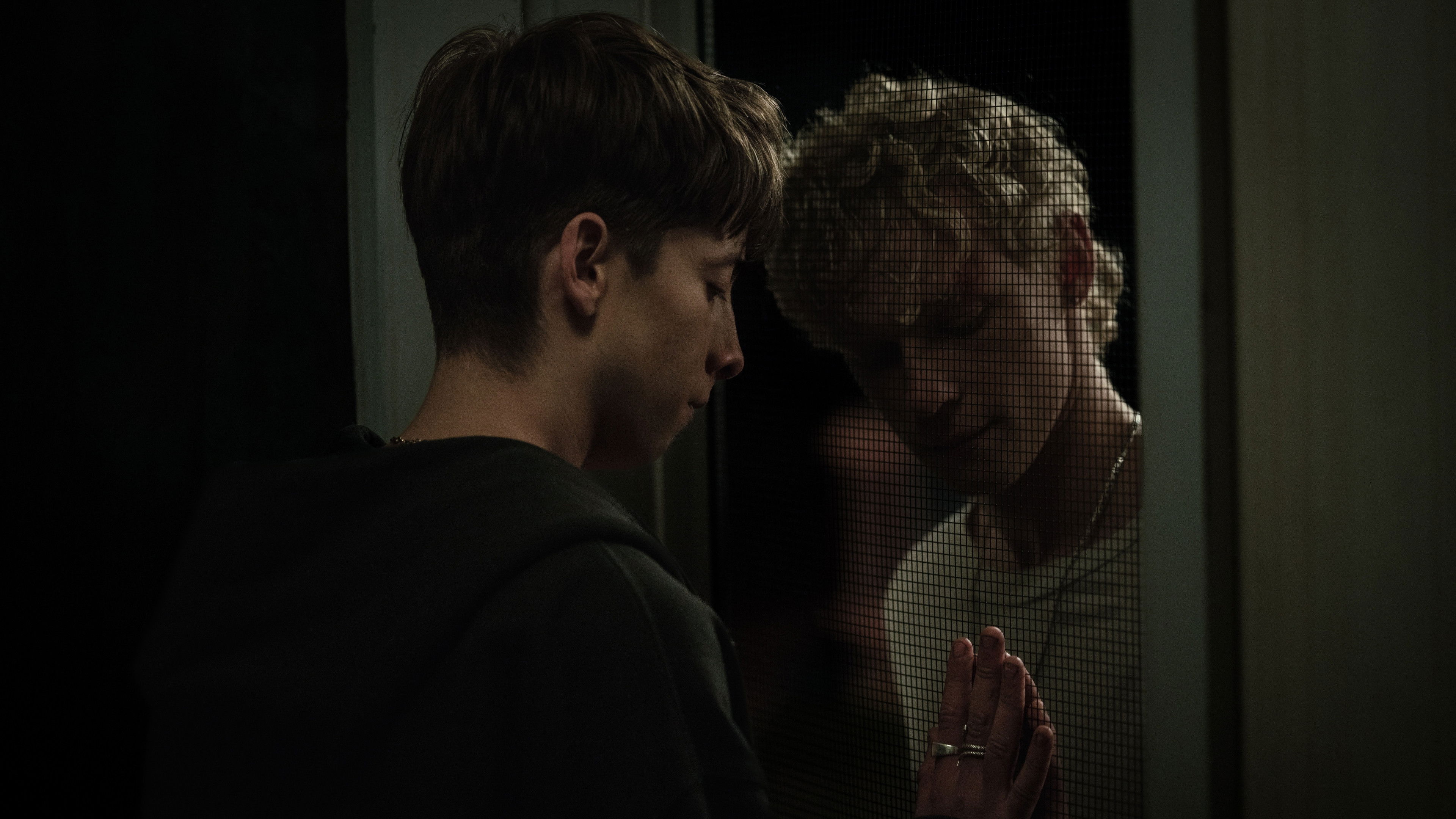
Where It Follows essentially alludes to this monster being a personification of sexually transmitted disease, Leviticus goes further to create an element of the entire world around our two main characters being after them, possibly more than the monster. We see how these men are shamed for their desires and sexuality, with Naim’s own mother knowing what this curse will bring, though finding it less harsh of a reality than accepting her son for who he is. In a world that is constantly against them, Naim and Ryan must stick together, even if that’s what may slowly kill them.
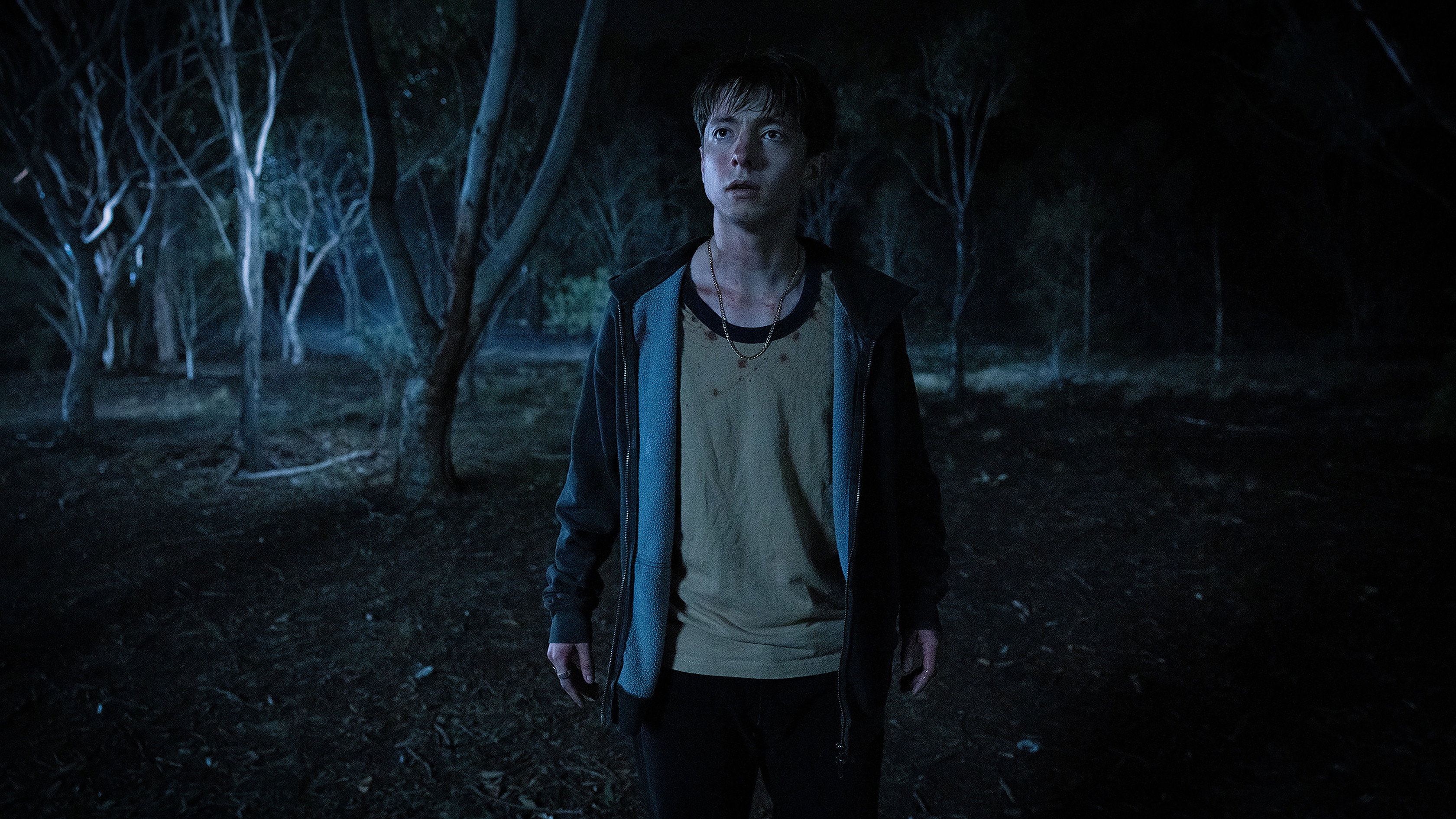
Leviticus creates a rule for this monster: Naim and Ryan can only see it if they’re alone. This makes them seem even crazier than they already would, due to there being absolutely no way of them proving it, even to plead insanity. Not only does this mess with the characters, but also with the audience. We’re constantly looking around, wondering if — and almost hoping that — anybody else is in this scene. When we see Naim and Ryan interacting, we’re second guessing every word that comes out of Ryan’s mouth for fear that it could be deceiving. Even in moments of bonding between Naim and Ryan, we never feel this sense of ease because Ryan could soon turn with the flip of a switch. This is exactly how they feel. Just because of who they are, they’re unable to feel any kind of ease, especially in this highly religious town. This transcends the story from strictly being something queer people can relate to, to something anybody can feel as they watch. All I wished for these moments of unease was that there were more of them.
Onto this movie’s negatives, for which there is an unfortunate amount for how gripping of a concept this is. First off, this seemed to have treaded many of the same steps of Joe Bird’s other notable feature, Talk To Me, in its mystery. This consisted of an opening scene which showed us this curse from the outside and its effects. Once our main characters set out to solve this mystery, they encounter someone else affected by that opening scene, a person who’s deeply traumatised by those events and wants no part in this story. While this is a somewhat vague description, it made the parts of this that tackle the mystery of what this curse actually is feel quite predictable. Any scene involving Shannon Berry’s Jessica felt like I’d seen them before. I knew what was around every corner and was simply waiting for the exposition to be over so we could get back to the movie.
Something that really snuck up on me was how short this movie really feels. Yes, it’s under 90 minutes so it’s bound to feel quite short anyway, but this felt like almost half that time. However, I don’t mean this in a ‘this was such a blast, it flew by’ kind of way — at least not entirely. Instead, when the credits rolled, I was left with a feeling of dissatisfaction. Was that it? I thought we were just entering the third act but now we’re done? I was sure we had another fifteen minutes left at least. That may be my It Follows brain talking, though, thinking they were inevitably going to defeat the monster in some way.
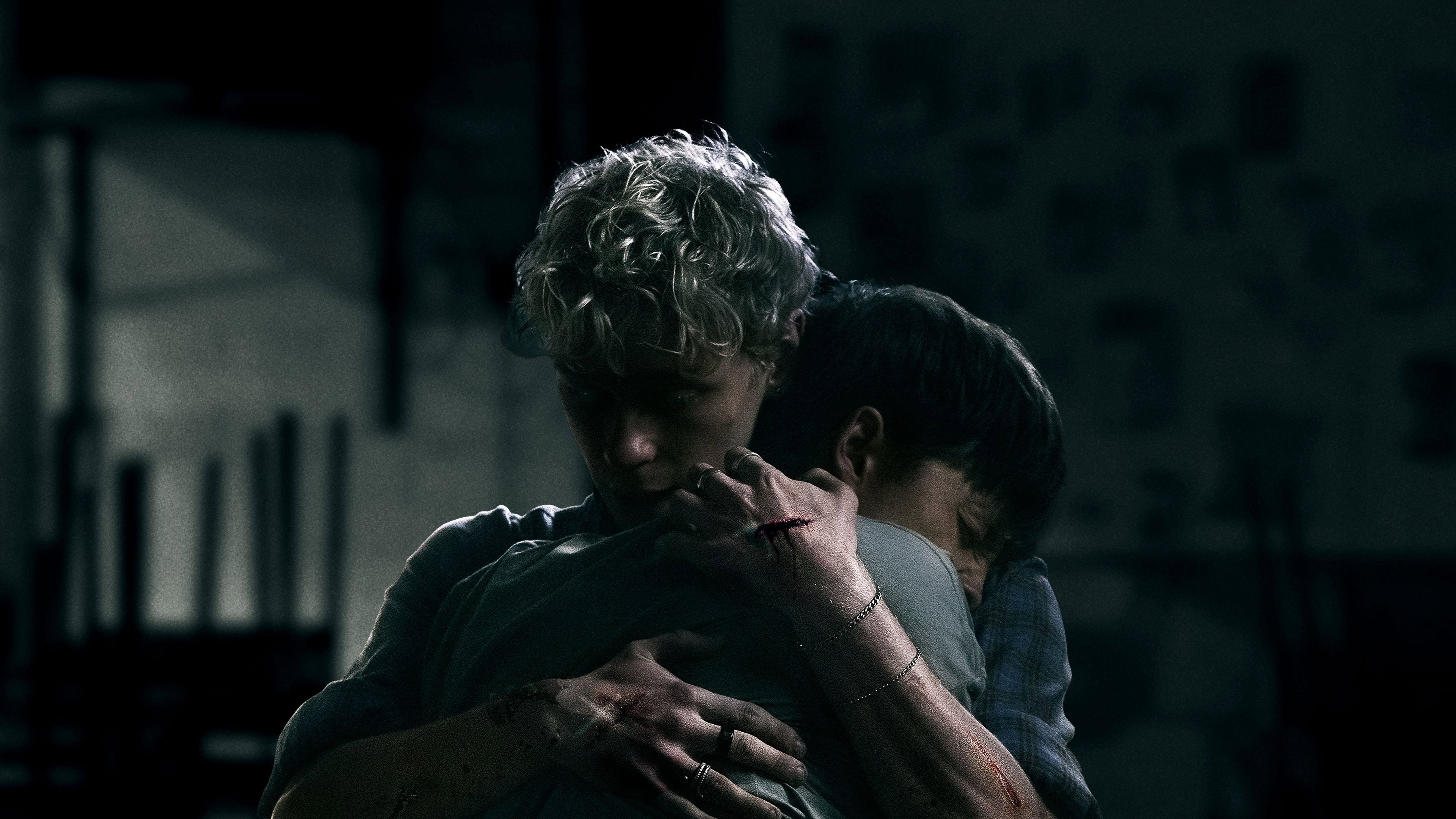
Speaking of, I think the decision for this monster to be undefeatable, even if it can be slowed down, was one of the best decisions made for this story. If Naim and Ryan were able to defeat this monster, it also defeats the entire purpose of the message itself. Homophobia is unfortunately something that can’t be defeated, at least not in this day, all you can do is live with it and slow it down for a while. However, this ending feeling so abrupt — possibly solely due to its runtime and how compact it was — left me feeling little of anything. This was written to be a big impactful moment to crescendo the story and leap over the finish line, and while the sentiment does ring through, it ultimately fails to give you the full force of the intended impact.
While I enjoyed the fact that we were constantly and only in Naim’s point of view, I would have liked to have seen more of Ryan’s experience with this entity. I understand and very much appreciate the decision not to constantly flip flop the movie’s focal character, though Ryan was much more physically affected by this entity than Naim and the possibility of not knowing who we’re following at any point could have elevated these scenes of uncertainty about whether the entity is present.
A main problem I had with this movie was how deeply it delved into the religious aspect of the story, which was very little. Even though religion was the catalyst for the curse being put upon Naim and Ryan, this aspect of the story seemed to mostly disappear after that moment, only slightly reappearing very near the end — when Naim’s mother confesses to knowing what the curse would do.
There’s so much to tell along this concept, in terms of homophobia and queer shame, which is all deeply ingrained in religion, though those dots were hardly ever connected. We somewhat transitioned from a deeply religious story to one focused entirely on the monster, as if that entity took on the movie’s themes without also carrying the most important part of why they’re present. All I wish is that we’d seen slightly more of the shame and discrimination these men would have gone through in the church and that religion was kept within the story’s heart, more than just acting as a catalyst.