There's a funny (and ironic) theory about how Daniel-San, the protagonist of The Karate Kid, is the real villain of the story.
It's a theory that gained so much attention that, years later, the movie got a spin-off called Cobra Kai, which tells the story of Karate Kid from the perspective of the antagonist, Johnny Lawrence.
In the original film, Daniel LaRusso is bullied and finds refuge with Mr. Miyagi, a wise old man who teaches him martial arts through everyday tasks. By developing patience and discipline, Daniel faces Johnny in the regional tournament with a controversial move.
Honestly? People are complex, and in real life, it's rarely as simple as labeling someone a “villain” or a “hero". In fiction, it's the narrative itself that positions a character in those roles. So, in this case, beyond being hilarious, I think it's fair to see the other side as well.
Either way, as much as I love movies with ambiguous and complex characters, we still can't ignore the fact that many films take a clear stand. For instance, nobody watches The Lord of the Rings and roots for Sauron (Right?? RIGHT???).
I mean, I don't know about you, but it seems really bad to me a character who wants to impose order, control, and his own vision on all of Middle-earth, becoming a supreme ruler.
Yet, apparently, there are people who do watch these stories and struggle to draw a parallel to reality.
I'm Brazilian, and this past month we faced one of the most tense elections ever in our country. I won't get into geopolitical details, but one of the candidates (whom I oppose) was allied with some curious figures: people who advocate for the end of women's voting rights and the repeal of labor rights.
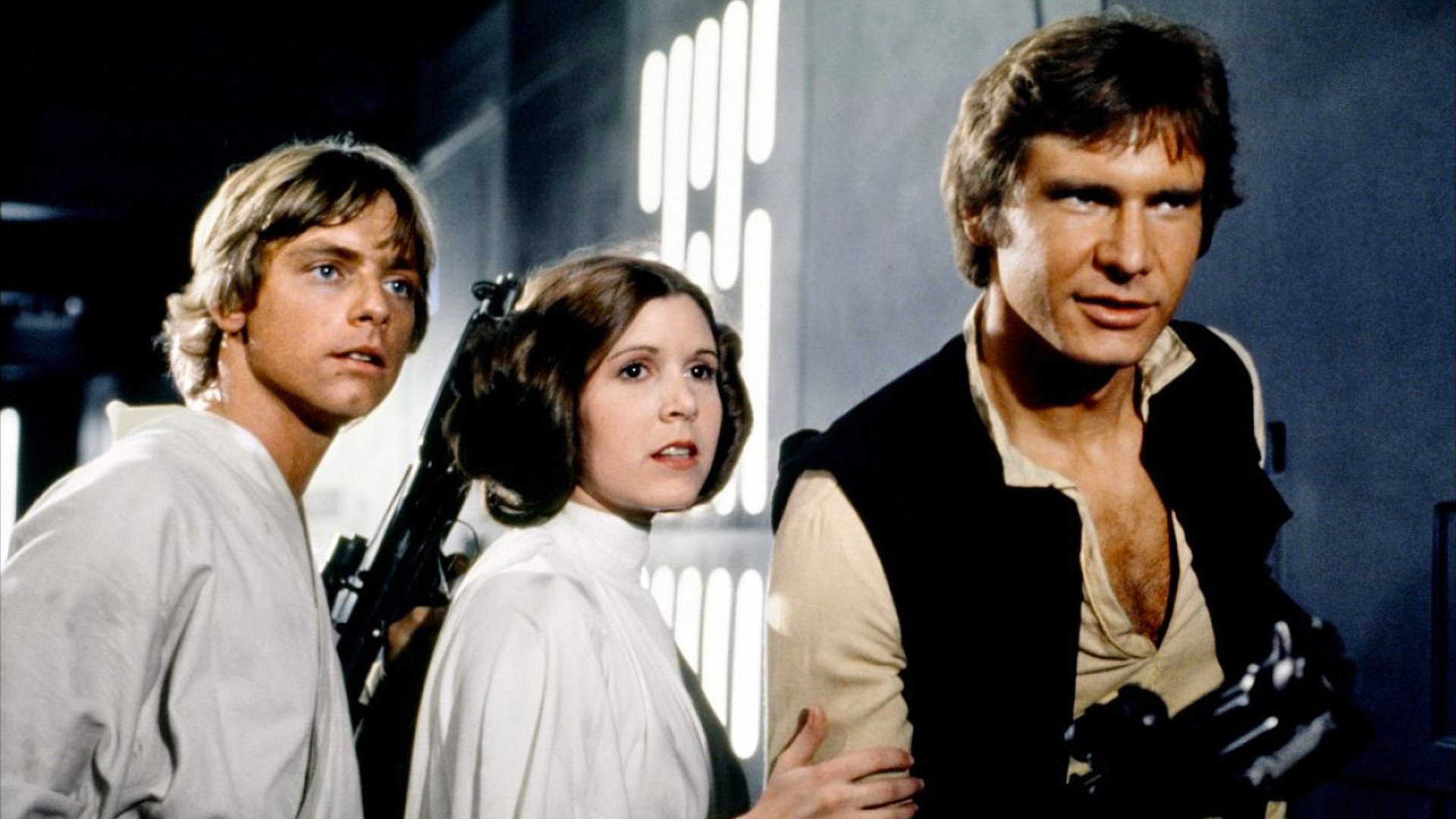
And the irony is that the exact same people who cheer for Princess Leia and Luke in Star Wars can't bring themselves to simply think:maybe I really shouldn't vote for a candidate who openly talks about changing the constitution, praises dictators and authoritarian regimes. Maybe I'm on the Dark Side of the Force.
Yeah. The world is not for amateurs, and in the face of all this, only one thing comes to mind: what happened to media literacy?
I'm a fierce critic of movies with obvious narratives, heavy emotional manipulation, and overly expositional dialogue. Like those shows that repeat the same thing ten times just to make sure the viewer really got it.
But I'm starting to think maybe those works actually have a point. What do you think? Do we need giant on-screen text during the credits explaining the analogies in movies?