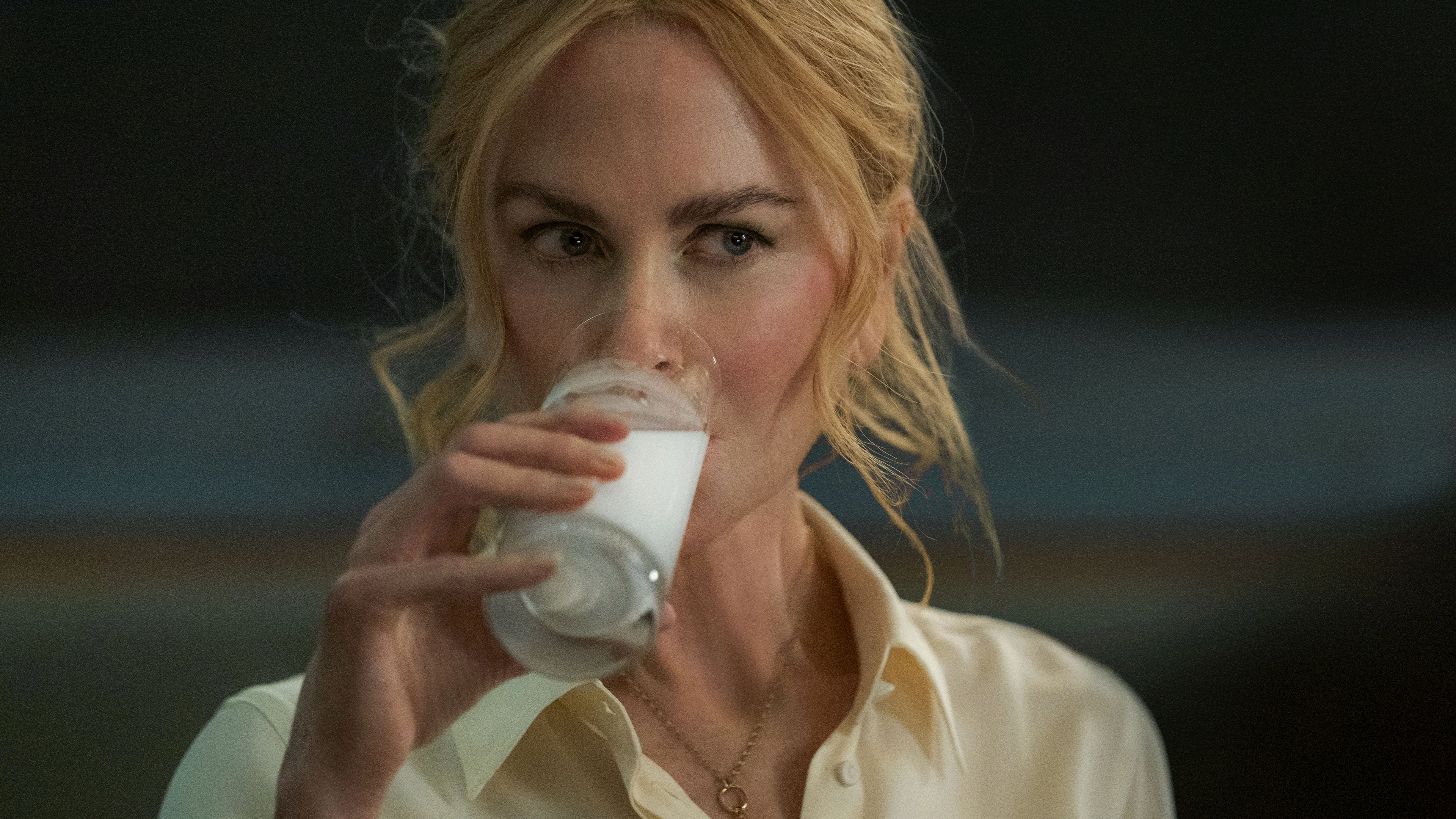
i love that director a24 he’s so good
— niall (@niallpta) November 26, 2024
“Have you seen the new A24?” “You would like it, it’s A24” are examples of expressions you’re likely to hear about the up-and-coming indie production company. This may be the first and only instance, especially among Gen Z, that a brand is referred to in the same way as you would an artist, a friend or a role model. After all, nobody has ever said the words: “you’ll love the new Paramount” or “that film is so Warner Bros.”
A24 is renowned and idolised for producing films with unique storylines and striking visuals, a reputation reflected in its success at the box-office; by the end of the summer 2026 season A24 was reported to finish with 5.5% of the U.S. market and $237 million in revenue. While tweets and memes like the one pictured above are intended for comedic effect, they also hold some truth. To further investigate this, we conducted a poll on Instagram, asking: “Do you think A24 films/tv are better? Are you more likely to watch something if you find out it’s A24? Why?”
Responses were overwhelmingly in favour of A24 — most people agreed that A24 produces better films than those available in the current Hollywood mainstream. Almost everybody shared the opinion that A24 was likely to produce more creative, unique and captivating stories, drawing in viewers through an artistic, rather than commercial approach. On the other hand, the few negative responses pointed out the strangeness of referring to a company so casually by name, and even using it as an adjective. Many noted the brand’s heavy connotations with specific “vibes” (for lack of a better word), conjuring a mental moodboard at its mention. In fact, when asked, 50% of respondents said they initially thought Obsession (2026) was an A24 film (yours truly included). Was this because of the moody colour palette, the complex characters or the young director discovered on Youtube?
Though A24 has been around for little more than a decade, the company has become synonymous with a certain form of cinema — distinct, unconventional, and young. Starting out in distribution, then moving towards the production and co-production of ever more films and TV series with a recognisable style and look, A24 is less an indie film studio, and more a modern cultural phenomenon. Its fanbase’s reputation as an “in-group” or cult-like niche means that, to those “in the know”, watching A24 is an immediate signal of belonging to an elite and exclusive community.
The company has grown to hold such presence and influence within the film industry that its name has become a marker of taste, an indication of authenticity, and a brand appealing to a specific gap in the market. As director Barry Jenkins puts it: “everyone says, ‘I know what an A24 film is, but no A24 film is like any other’” — proving that while its identity is recognisable enough to create a following, the company’s output is by no means confined to a specific genre, theme, or style. To put it simply, A24 has made a name for itself as the “indie darling” of cinema.
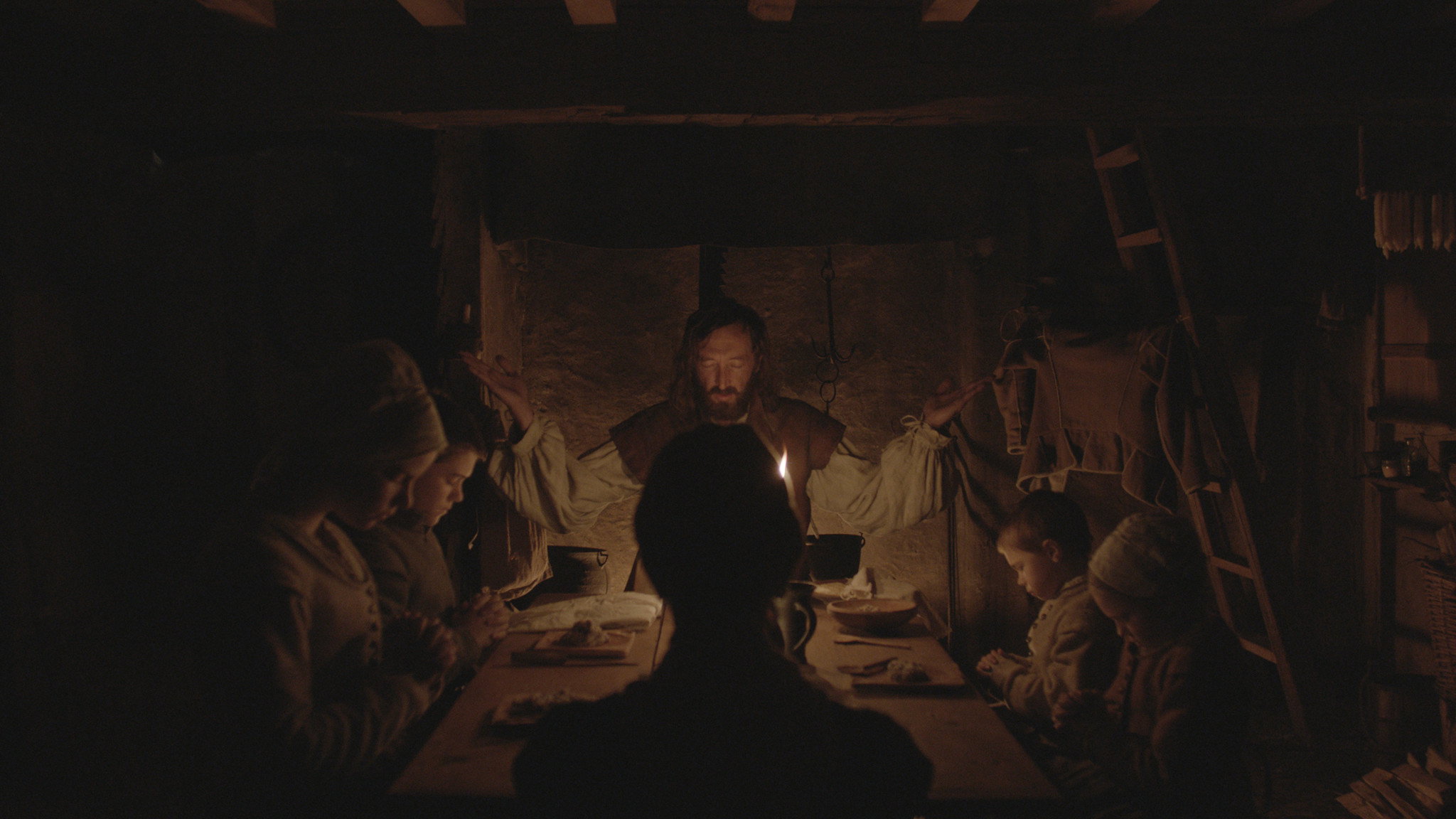 Image: Robert Eggers' debut feature, "The Witch." Photograph: A24
Backing complex horrors and unconventional sci-fi pictures from the start, the company’s ethos seems to intentionally go against the unspoken rules of mainstream Hollywood cinema, both in terms of content and look. Taking these risks — such as green-lighting Robert Eggers’ debut folk horror The Witch (2015), or Yorgos Lanthimos’ dystopian satire The Lobster (2015) — not only paid off in the short-term with box office success, but also proved a long-term investment in creatives who would go on to have stellar careers. Most importantly, it means that from the get-go A24 was able to capitalise on their marginal position, by offering an alternative to the saturated Hollywood circuit of remakes, sequels and easy money-grab movies.
Their position outside the filmic mainstream is their greatest asset, and the company knows it well. Not only do they intentionally market their releases to a more arthouse/indie audience — mostly debuting films at festivals — but they also recognise that the demographic they are engaging with is generally a younger, digitally native generation who responds to media in a particular way. For example, for the promotion of Spring Breakers (2012), most of the marketing relied on the trailer, and later on the film itself, becoming material for memes and viral clips to be shared across the internet in a language that resonates particularly with millennials and Gen Z.
More recently, A24’s marketing ploys have become bigger and more complex, allowing the promotion of their films to become marketable content in and of itself. With Eggers’ The Witch, for example, the company paired with a Satanic temple for promotion, while we need no reminder of the eccentric press tour that surrounded Marty Supreme (2025). Back in 2018, creative director Zoe Beyer acknowledged that audiences tended to respond best to “weird and playful” content produced by the company, leading them to harness this in their promotional tactics going forward. And this isn’t confined to online material, but also A24’s lucrative merchandise; it seems impossible to think of any other production company successfully selling products with their logo, or even convincing fans to buy such bizarre products as the hot dog hands from EVerything Everywhere All At Once (2022), the diamond-encrusted furby from Uncut Gems (2019), or even their latest set of Robert Pattinson nesting dolls released in the wake of Primetime (2026).
Their marketing tactics appeal to a generation who put emphasis on defining their identities in relation to taste and quality, and who often see a loyalty to A24 as a marker of elite cinephilic reputation, therefore enhancing the brand’s cultural capital immensely. However, the company’s appeal goes beyond promotion, and relies also on producing stories that resonate with this disillusioned audience who are searching for original content in a world of recycled narratives and rehashed filmic products. This intention is clear from the careful processes A24 employs before they even begin funding projects — it’s inherent in their selection of what ideas to back, and whose voice to platform.
With a healthy track record of helping unknown creatives to produce their very first pictures, the company seems to have found a winning method of finding undiscovered talents whose ideas become blockbuster phenomena. Most recently, their endorsement of Kane Parsons’ directorial debut with Backrooms (2026) shocked the internet as the company took the risk of backing a 20-year-old Youtuber with what would become one of the highest-grossing and most critically-acclaimed horrors of the year. While most mainstream studios would have likely hired a seasoned director for the project, A24 allowed Parsons the creative authority to bring to life a story based on the lore and community he was so involved with building.
Similarly, their trust in, and collaboration with young, distinct voices such as Ari Aster, Robert Eggers, Lee Sung Jin and Sam Levine has historically paid off, with many of the films branded with A24’s logo garnering nominations and awards across countries. Their commitment shows their fundamental belief that storytellers can be found anywhere — a truth that more studios are beginning to realise nowadays — thanks to the democratisation of resources and opportunities that the internet provides. A24 seems particularly keen to maintain the authorial distinctiveness of voices that come from marginal backgrounds and might not have received the same opportunities from mainstream producers, with many of the company’s creatives being queer, young and/or of the global majority, and harnessing their experiences in their art.
A particularly standout feature of A24, in our opinion, is their reluctance to stray away from generally stigmatised topics. Not only are diverse voices handed a microphone, they are also encouraged to speak. In the first season of Beef, Danny repeatedly tells his brother that no, he won’t go to therapy, because “Western therapy doesn’t work on Eastern minds,” acknowledging their Korean culture. This is presented comedically, but the debate of their own cultural values clashing with traditional Western psychology techniques is clearly presented here, and made into a kind of inside joke for those who share their experience. In The Invite (2026), a similar acknowledgement is made with a joke which normalises the menopause while simultaneously making light of the misogynistic comments that usually come with the topic. A24 obviously wants their audience to laugh, however their chosen script-writers deliver depth alongside comedy. What may seem like fleeting jokes are moments of validation for members of the relevant groups.
As A24 begins to inhabit a more defined space in the realm of cultural production, it will be interesting to see if their commitment to original and authentic perspectives will continue to drive their interests, or if they will fall into a new cultural mainstream that will render their indie quality obsolete. What is absolutely certain is that, for now, they are creating waves in more than one industry, and driving positive change in the cinematic production; somewhat ironically, it can be said that A24 is the one to watch.